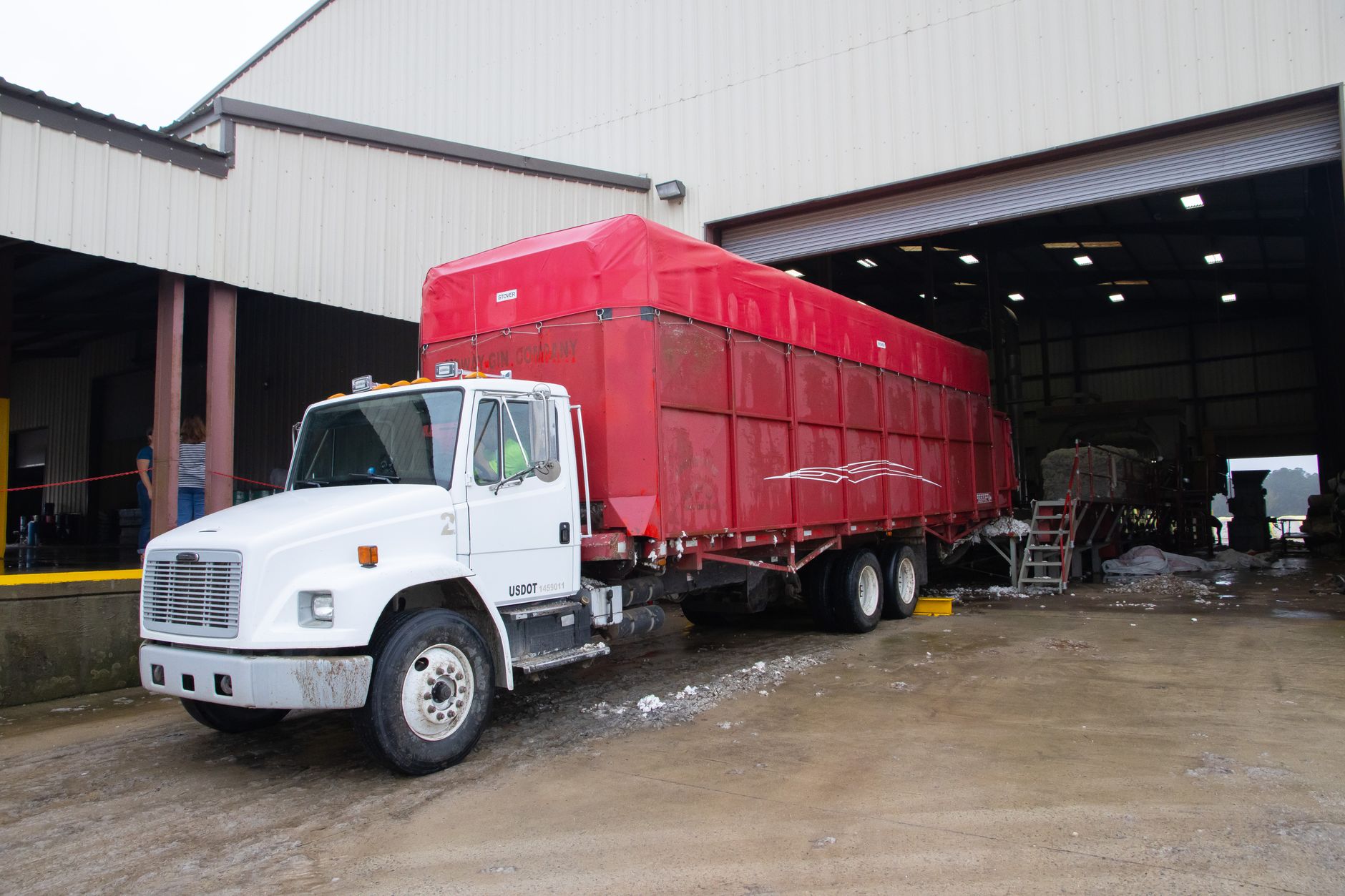
a European waste sorting and storage center
How a Waste Sorting Center Cut Site Intrusions 100% With a Patrol Robot
An 80-hectare European waste site faced daily theft until leadership made an autonomous patrol robot the primary surveillance layer. Verified outcomes inside.
- 100%
- fewer intrusions and thefts
- 80 ha
- wooded regulated site
- 0
- intruders after robot-only patrol
- Daily
- intrusions before the change
Based on a documented real-world deployment. Figures are from public reporting; the organization is not named.

Theft on a site too large to watch by eye
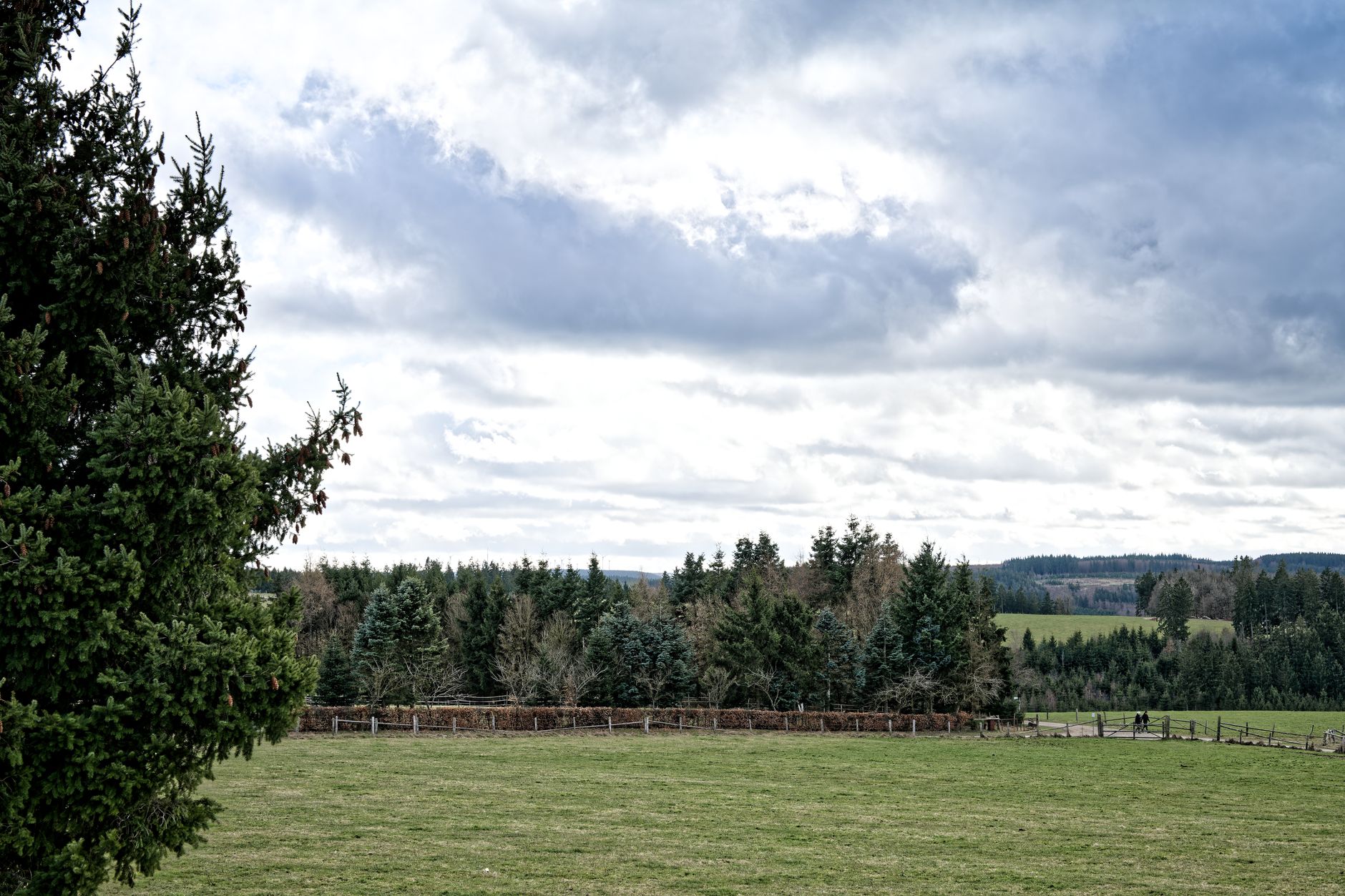
A European waste sorting and storage center sits on roughly 80 hectares of wooded, isolated land. The operation stores valuable sorted materials outdoors and indoors, which made after-hours theft a recurring drain on margin.
Leadership kept a caretaker on site, yet intrusions and thefts still happened often enough to count as a daily problem. Financial losses from stolen material stacked up while the team tried to cover ground that no single person could patrol reliably.
The site is a regulated waste installation with a small crew of about ten multi-skilled staff. They needed deterrence and evidence without adding another full-time guard post across the full perimeter.
Robot-first surveillance on a phased trial
Managers chose to test whether an autonomous security patrol robot could serve as the main surveillance layer, not just a supplement to occasional rounds. The goal was continuous coverage across lanes, storage piles, and tree lines where people could slip in unseen.
The patrol unit combined visible deterrence with sensor-driven detection, including intelligent image processing and thermal sensing suited to low-light wooded edges. Operators defined patrol routes that hit high-theft zones on a repeating schedule.
Training focused on alerting staff when the robot flagged movement, so humans responded to verified events instead of walking empty loops. Service planning treated the robot like other production equipment: uptime mattered because security gaps reopen the moment patrols stop.
- Map theft hotspots and blind spots across the 80-hectare footprint
- Run the patrol robot as the primary surveillance layer during the trial
- Tune alerts so caretaker and operations staff respond to confirmed detections
- Keep maintenance and battery cycles on a schedule that preserves overnight coverage
Measured end to end on intrusions and material loss

After the robot-only surveillance trial began, leadership reported zero intruders on site. That translated into a documented 100% reduction in intrusions and thefts compared with the prior period of daily incidents.
With no successful entries, financial losses tied to stolen materials stopped as well. The caretaker role shifted from trying to cover the entire property alone to backing up a system that never left the patrol pattern.
The outcome is specific to a large, wooded waste storage environment, but the pattern is familiar at US recycling yards, transfer stations, and remote logistics campuses weighing security patrol robot rental against extra guard shifts.
What US operators can take from the pattern
Service Robot Co. is a full-service, OEM-neutral commercial robot integrator for US businesses. We help teams compare autonomous patrol options, finance them with monthly payment programs where that fits, and deploy with site mapping, go-live support, and nationwide service.
This study describes a documented European waste site, not a Service Robot Co. customer. It still shows the buying question many US facilities ask: when acreage and tree cover defeat human rounds, does a patrol robot plus alert workflow beat another unfilled security shift?
Vendor-neutral selection matters because patrol robots differ in range, charging, and sensor packages. One partner for lease, rental, integration, and on-site dispatch keeps the security story coherent from pilot through spare-unit coverage.