
a New York water authority operating 58 storage facilities
Water-Tank Drone Inspections Save $6,500 Each
See how a New York water authority used inspection drones, automated flights and photogrammetry to save about $6,500 per water-tank inspection.
- $6,500
- saved per tank inspection
- <20 min
- to capture the largest tanks
- 100+
- HD images per large tank
Based on a documented real-world deployment. Figures are from public reporting; the organization is not named.
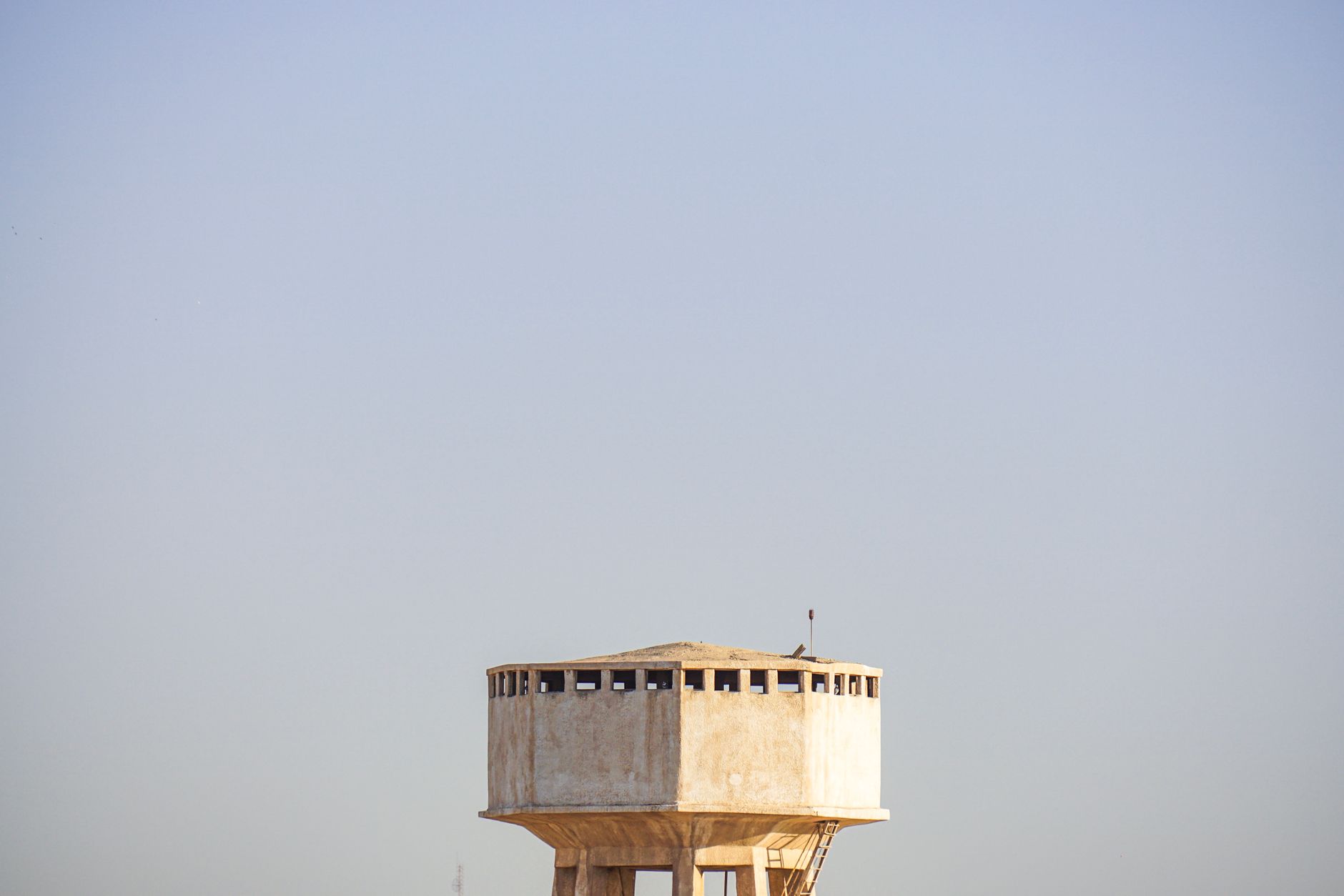
Costly inspections produced isolated information
A New York water authority operating 58 storage facilities relied on tank-inspection methods that were expensive and not timely. The organization also wanted engineers and other stakeholders to receive field information faster, with less friction between collection, review and planning.
Tank surfaces demand close visual coverage from many angles and elevations. Weather could make conventional inspection work difficult, while scattered imagery was harder to use for maintenance planning, cost justification and risk mitigation.
- Reduce the cost and delay associated with tank data collection
- Capture detailed exterior views from varied heights and angles
- Give engineering teams an accessible record of each inspected asset
- Make project imagery easier to share with stakeholders
Automated flights fed a shared mapping workflow
The authority paired an inspection drone with geographic mapping software and photogrammetry. Mobile flight applications enabled automated missions, flight programming, real-time monitoring and control of camera settings.
Captured photographs were processed into information products and published through the authority's mapping portal as web maps, applications and visual scenes. This gave staff a common project view instead of leaving inspection imagery confined to individual devices or disconnected files.
The published account does not describe a formal phased rollout, operator-training program or service arrangement. For another utility adopting this method, those elements should be defined during site assessment and a controlled robot pilot program before fleet expansion.
- Match the aircraft, camera and mapping environment to the inspection objective
- Program repeatable flight paths and required viewpoints around the tank
- Train authorized personnel on flight preparation, image capture and data handling
- Process the imagery through photogrammetry and publish it for engineering review
- Set service, maintenance and support responsibilities before broader deployment
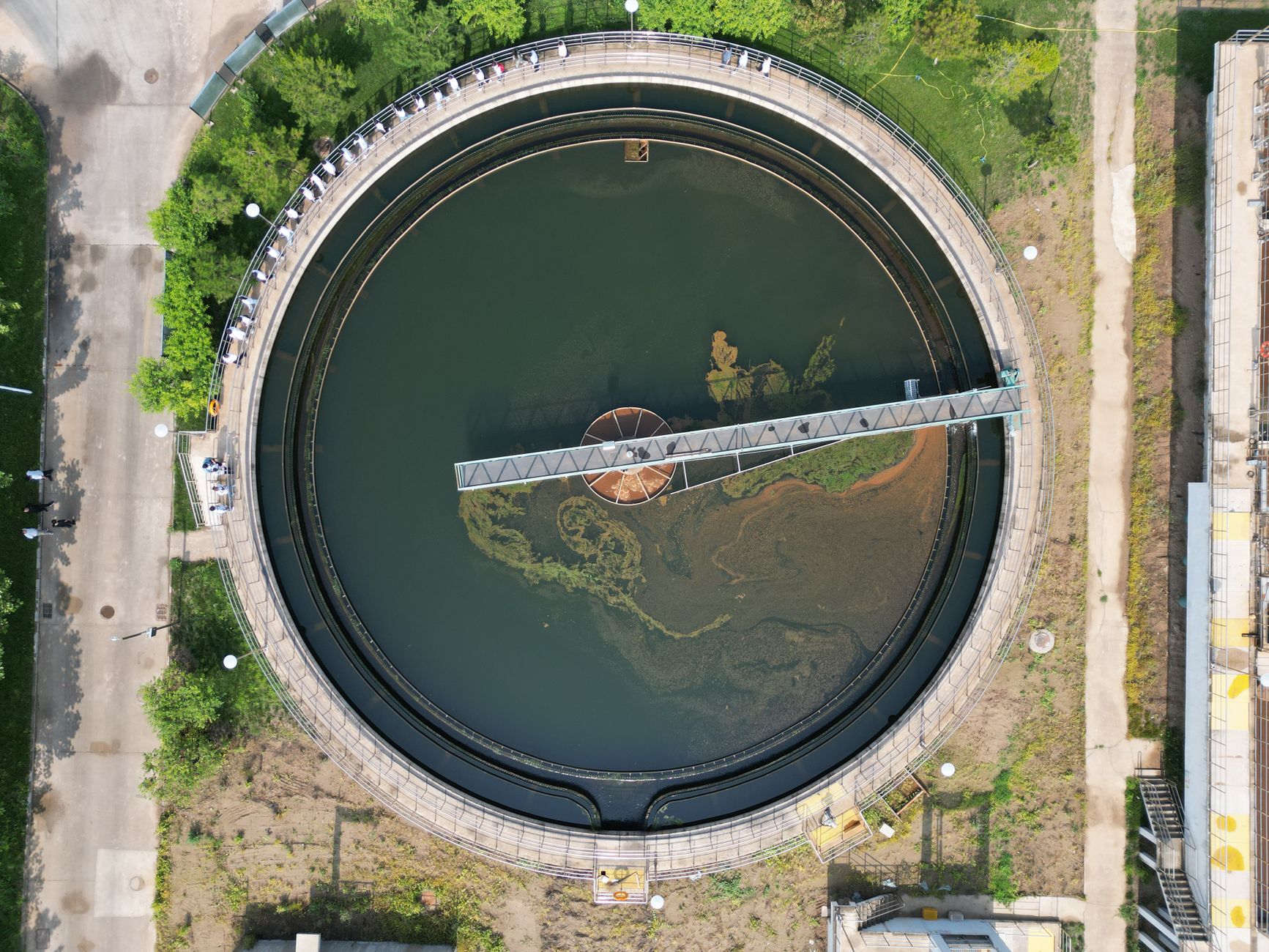
Each inspection produced faster, richer asset visibility
The documented workflow saved approximately $6,500 per tank inspection by replacing historically expensive and untimely data collection. It also delivered a quick turnaround and viewpoints that supported planning, maintenance and review of an entire project area.
Even the authority's largest tanks could be captured in under 20 minutes. A single flight produced more than 100 high-definition images, with detailed coverage across the asset surface.
The resulting aerial record could be shared with stakeholders to monitor work, justify costs, plan for risk and shape mitigation measures. The authority also reported savings related to harmful algal bloom research, although the published case did not quantify them.
A repeatable utility workflow needs accountable support
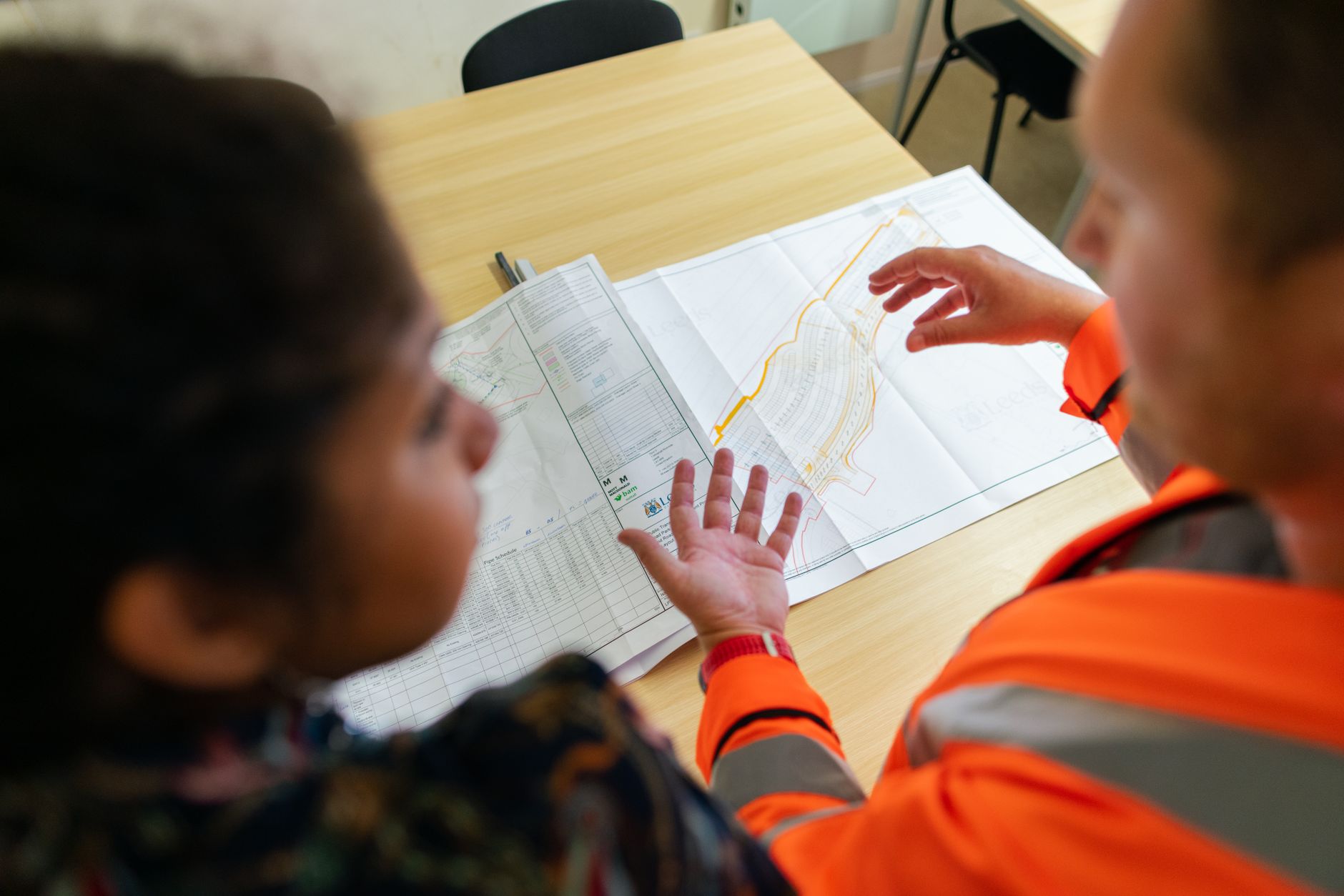
This example is independent evidence, not a Service Robot Co. client deployment. It shows that the aircraft is only one part of the operating system. Flight planning, photogrammetry, data access, training and field support determine if inspection imagery becomes useful engineering intelligence.
Service Robot Co. is a full-service, OEM-neutral commercial robot integrator for US businesses. We select equipment across manufacturers, then finance, deploy, integrate, train and service each unit through a nationwide US engineer network, giving utility teams a single accountable vendor across the lifecycle.
For buyers evaluating inspection robot leasing, robot leasing for business or a leasing arrangement, that lifecycle coverage matters. Service Robot Co. can structure a robot pilot program and robot deployment and integration plan around the site, reporting workflow and financial requirements without claiming involvement in this documented project.