
a Welsh egg farm
A Welsh Egg Farm Moves Tray Stacking to a Palletizing Robot
A Welsh egg farm used a palletizing robot to stack egg trays, shifting staff time toward bird husbandry. Historical 2018 example with lease options.
Deployment at a glance
- 42,000
- Birds housed on the farm
- 2008
- Year the business moved into eggs
- Feb 2018
- Date of the historical example
Based on a documented real-world deployment. Figures are from public reporting; the organization is not named.

Hand packed eggs in a central packing room
The business moved into the poultry egg sector in 2008 and houses 42,000 birds. Eggs are packed in a central packing room, where trays were stacked by hand before a robot took over that step.
Manual packing is repetitive physical work that keeps people tied to one station. The farm wanted to measure how efficient a robotic egg packing system would be against that routine, and what the change would mean for the rest of the working day.
A palletizing robot tested against manual packing
The farm set up a project to evaluate the efficiency of a robotic egg packing system. The robot stacks egg trays in place of manual packing, so the two methods could be compared directly.
The robot supplier is not named here. The change was tested on the working packing operation at the farm, so the result reflected real daily routines.
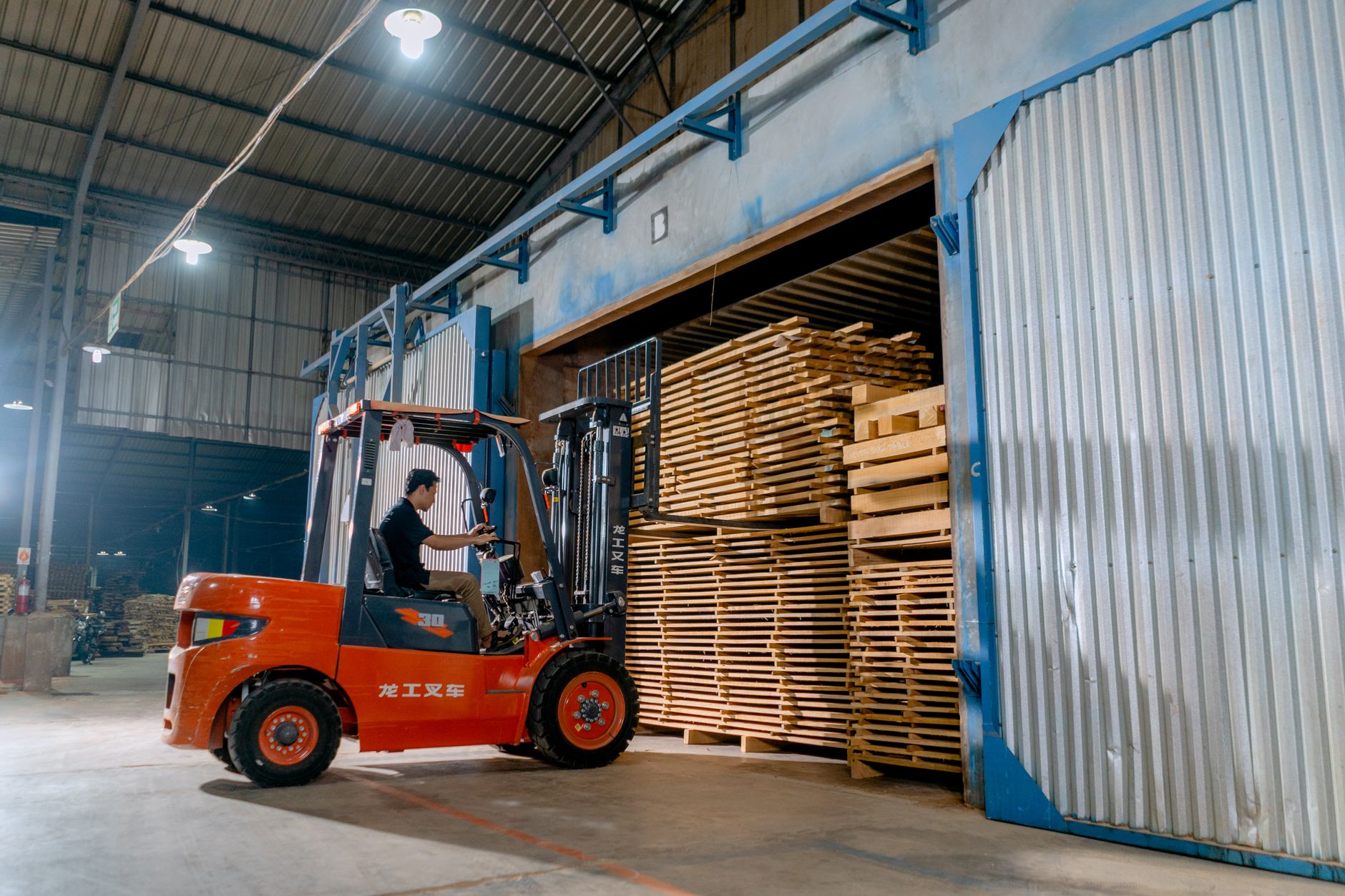
Staff time moved toward the birds
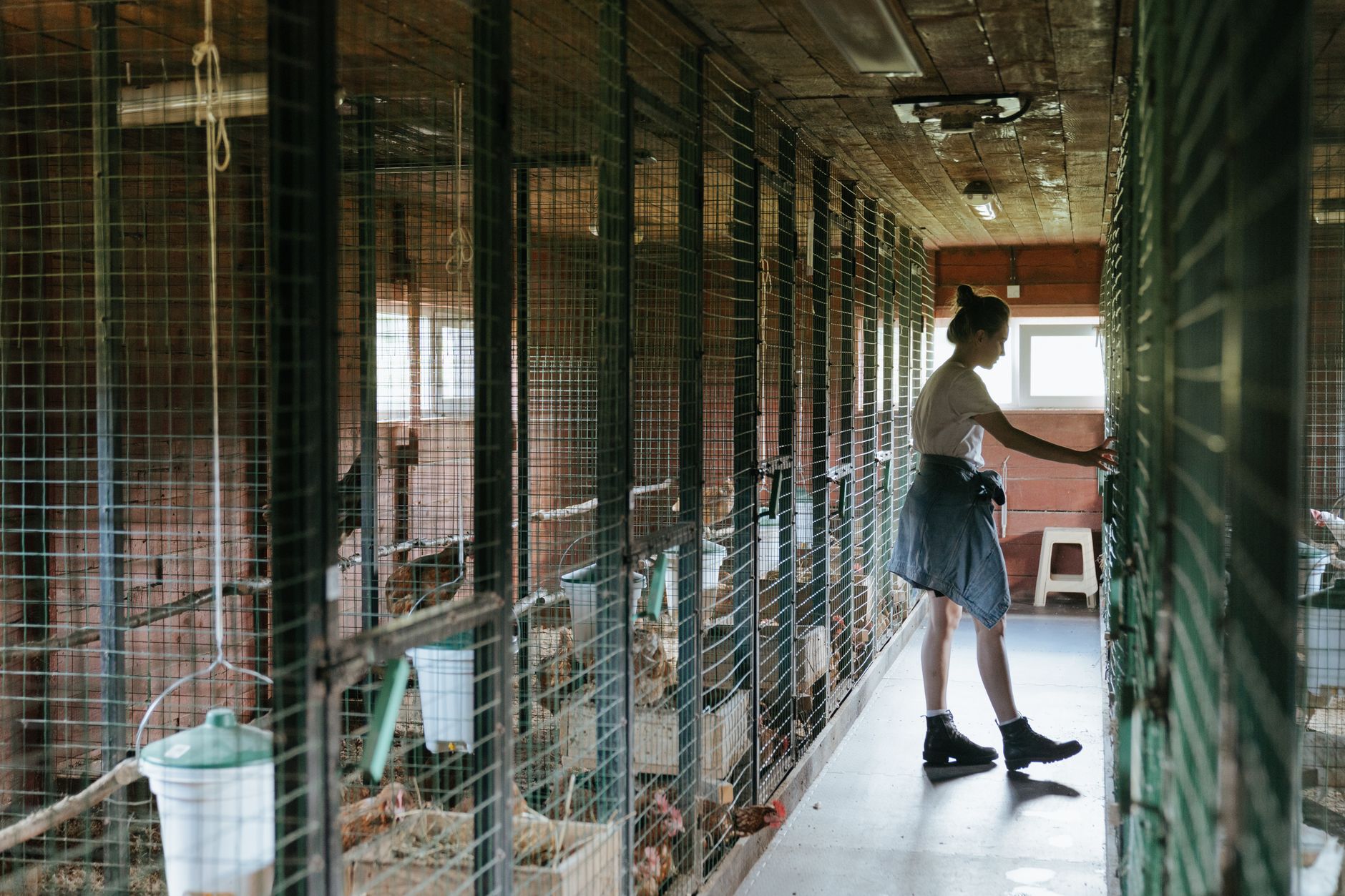
The robot gave staff more flexibility. The farmer describes using the time freed from tray stacking for bird husbandry, the day to day care of the flock.
That shift is the heart of the case. Routine packing work gave way to tasks closer to the birds, and people in the packing room gained room to move between jobs.
This is a historical example from February 2018. Egg farms today may run different packing layouts, robot models and staffing patterns, so these results describe one farm at one point in time.
What a palletizing robot lease looks like for US operators
Service Robot Co. is a full service, vendor neutral commercial robot integrator for US businesses. We select the right robot across manufacturers, then handle robot deployment and integration, training and service through a nationwide US engineer network, so one partner answers for the whole lifecycle.
Our offer is a lease. Customers lease through financing on a three year term, with one fixed robot lease payment quoted after a site assessment. For a packing room, that assessment maps the stacking station, the pallet flow and the floor space a robot needs before any figure is quoted.
Service Robot Co. did not deploy the farm described here. It is a real world example we analyze, not a client, and it is shared so buyers can weigh what a palletizing robot lease might mean for their packing operation.
Frequently asked questions
Want a robot working for you?
Tell us the job and the site. We will recommend the robot, quote the lease, and keep it serviced.