
a Caterpillar equipment dealer parts center in Midland, Texas
West Texas Parts Hub Sized GTP for 3,648 Daily Pick Lines
A Midland, Texas dealer parts center consolidated 20,852 bins into about 5,600 square feet and sized goods-to-person robots for 3,648 daily pick lines.
- 20,852
- Storage bins
- 5,600 sf
- Grid footprint
- 3,648
- Daily pick lines
- 20
- Mobile robots
Based on a documented real-world deployment. Figures are from public reporting; the organization is not named.
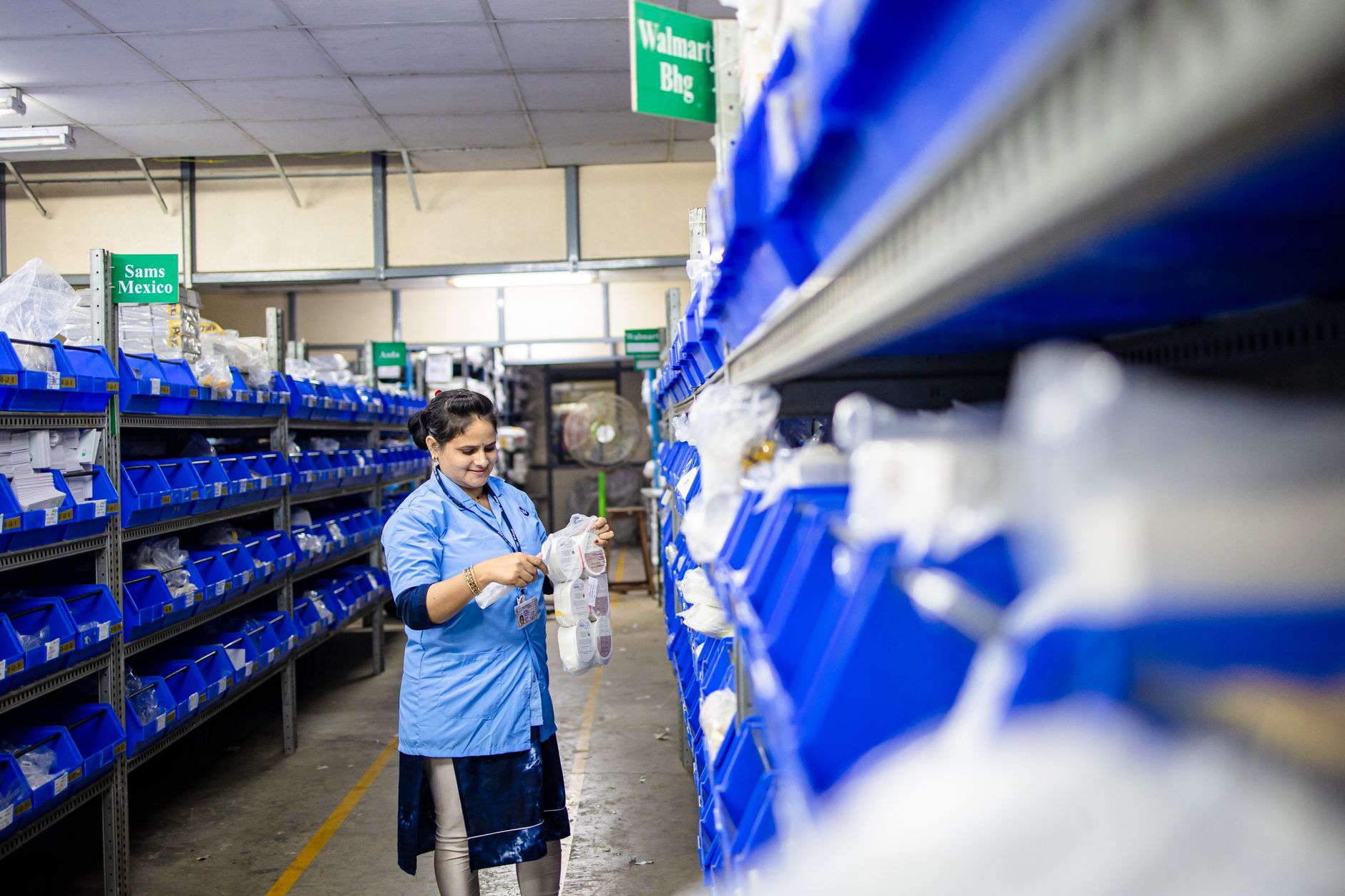
Urgent parts demand outran walk paths
A heavy equipment dealer parts center in Midland, Texas serves technicians across West Texas and Oklahoma where downtime on a machine is costly. Will Call counters, shuttle routes, and engine-shop orders all hit the same small-parts inventory with different urgency rules.
The legacy model sent pickers on long walks through a conventional warehouse. Historical data showed more than 93,000 orders, nearly 300,000 order lines, and almost 25,000 SKUs worth of variability. Leadership needed density and predictable throughput without replacing the host warehouse system.
- Priority workflows for Will Call, Parts Shuttle, and engine-shop demand
- Year 5 growth targets for inbound and outbound lines
- Integration with an existing dealer WMS as system of record

Goods-to-person grid sized from order history
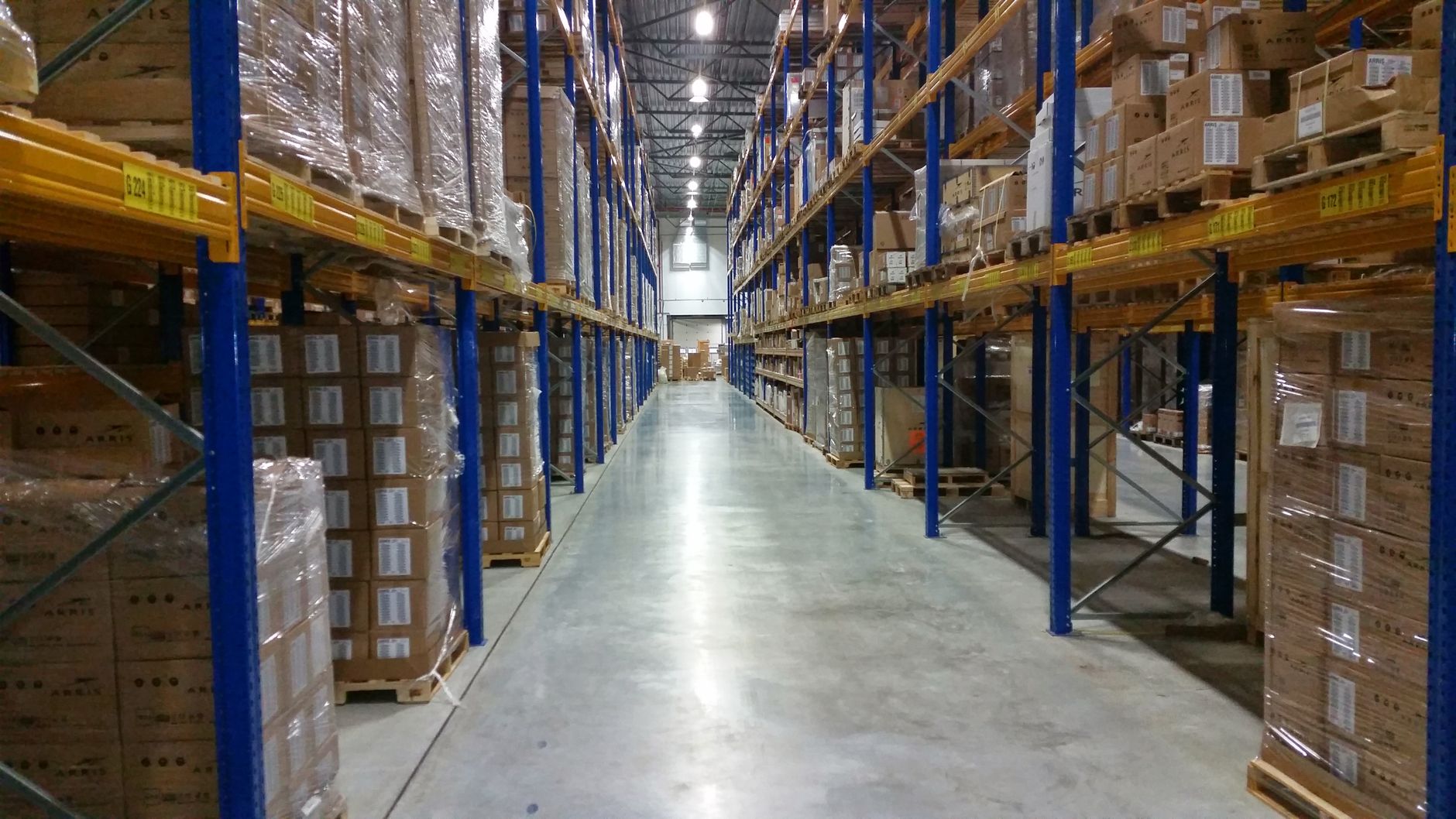
The integrator analyzed historical order files to model peak demand and long-term growth before locking grid size. The published design places 20,852 storage bins in roughly 5,600 square feet, served by 20 mobile robots that retrieve totes to carousel and conveyor ports.
Warehouse execution software sits between the dealer WMS and the grid. It sorts outbound work by category, due date, and urgency, then releases tasks to the robots while keeping the host system authoritative for inventory.
- Size grid for 3,648 picking lines and 751 put-away lines per day at Year 5 volumes
- Configure ports around outbound picking and inbound put-away flows
- Train operators on goods-to-person stations instead of aisle walks
- Plan robot and port adds as volumes climb without rebuilding the floor
Density and travel changes operators feel daily
Published specifications call for 3,648 picking lines and 751 put-away lines daily at the modeled Year 5 volume, with parts consolidated into a compact vertical grid rather than spread across bulk shelving.
Early operating reports cite higher small-parts storage density, less operator travel, and a quieter, more controlled pick floor after go-live. The team continues tuning priority rules as daily demand patterns settle.
What other dealer and MRO warehouses can borrow
This story documents a real dealer deployment described in a public case write-up, not a Service Robot Co. customer project. It still shows how goods-to-person robots earn their footprint when SKU counts are high and order priority matters as much as speed.
Service Robot Co. compares AMR and goods-to-person options across vendors, structures lease or purchase financing, integrates against your WMS, and supports daily operations through a nationwide network of regional service engineers so expansion stays phased instead of disruptive.