
a North American wheel-service equipment manufacturer operating a 150,000-plus-square-foot plant in Tennessee
How a Wheel-Equipment Plant Freed 500+ Labor Hours with Autonomous Tuggers
A 150,000-square-foot Tennessee plant automated line-to-line moves with an autonomous tugger and reported 500+ labor hours freed. What manufacturers can learn.
- 500+
- Labor hours freed
- 150k+ sqft
- Plant footprint
- 12,000 lb
- Towing capacity
- 70+ yrs
- Industry tenure
Based on a documented real-world deployment. Figures are from public reporting; the organization is not named.
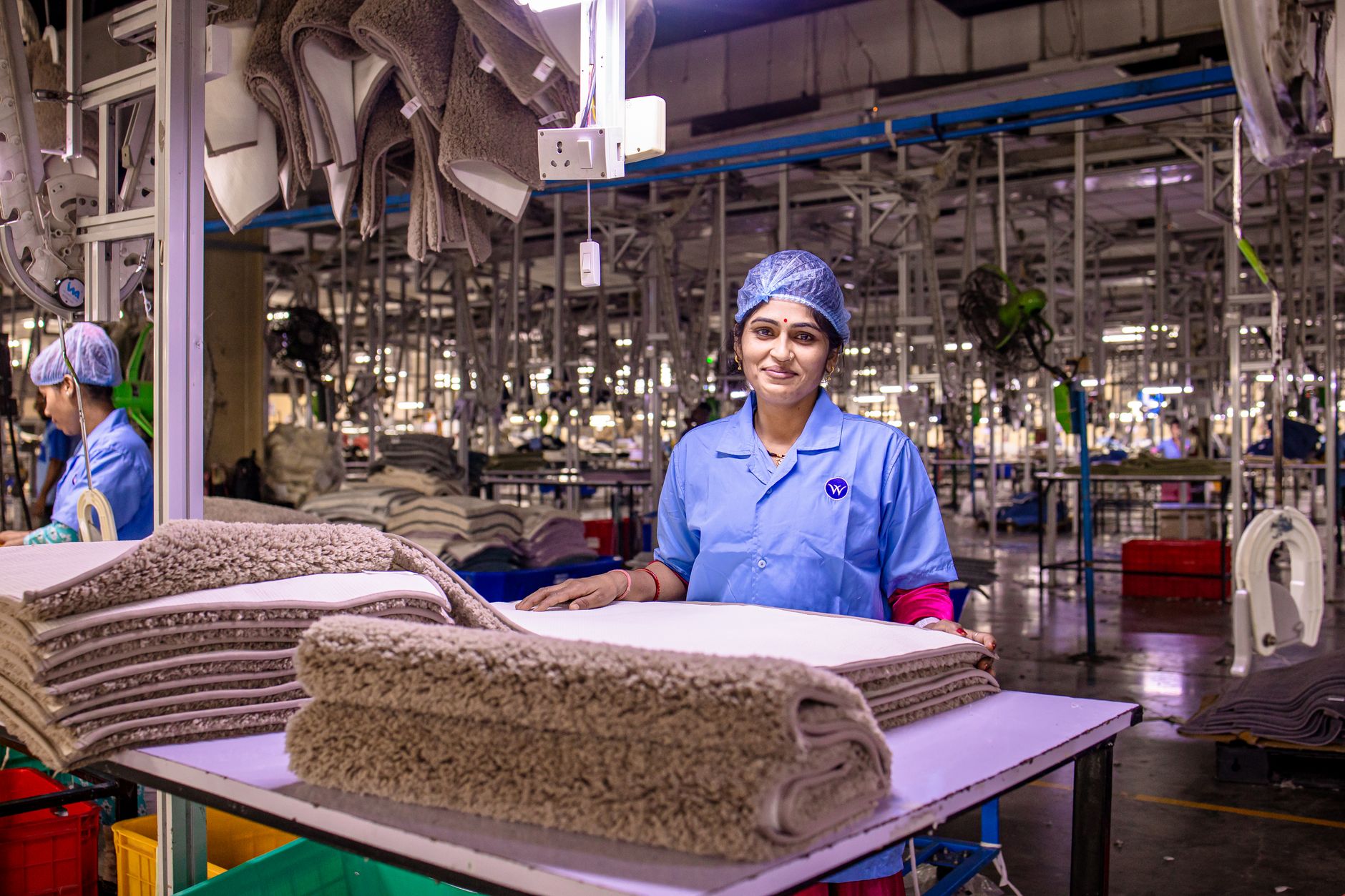
Manual hauling across a wide production floor
The plant builds wheel-service equipment on a 150,000-plus-square-foot footprint in Tennessee. Finished components and subassemblies move between production lines throughout the day.
Forklifts and walk-along cart moves tied up technicians on repeat routes. That work pulled skilled staff away from setup, quality checks, and line support tasks that actually need human judgment.
Leadership wanted predictable material flow without adding headcount every time throughput climbed. They also needed a path that could run alongside existing traffic indoors and outdoors on the campus.
Phased autonomous tugger deployment
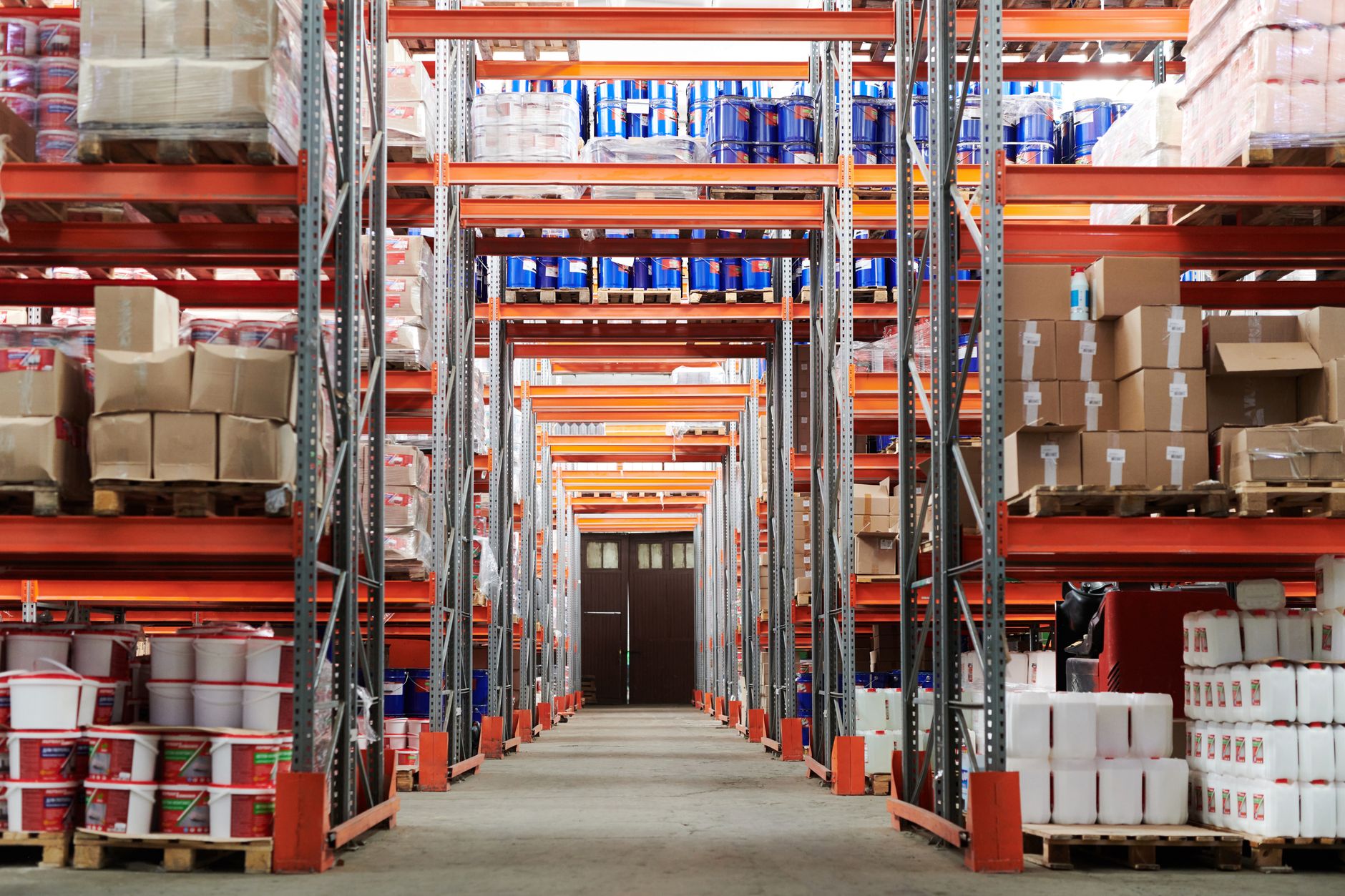
The operation partnered with the robot supplier on a production deployment that started in January 2025 and reached full operational status by August 2025.
The autonomous tugger hauls wheel-service components between production lines, replacing manual towing on the heaviest repeat lanes first.
Operators trained on handoff points and safety zones so the vehicle could share aisles with people and conventional equipment. The supplier sized the unit for heavier loads as component weights increased on newer lines.
- Map the highest-volume cart routes between lines
- Pilot autonomous moves on one production loop
- Expand to additional lines after safety sign-off
- Reassign freed technician time to line support work
Measured labor returned to the floor
Since implementation, the site reported more than 500 hours of labor freed by cutting manual hauling, according to the August 2025 deployment announcement.
Technicians spend that time on higher-value tasks instead of walking loads. Material still arrives on schedule, but the repeat miles disappear from human shifts.
The deployment is live at the Tennessee facility, automating transport of wheel-service components across production lines as volumes scale.
What this means for your plant
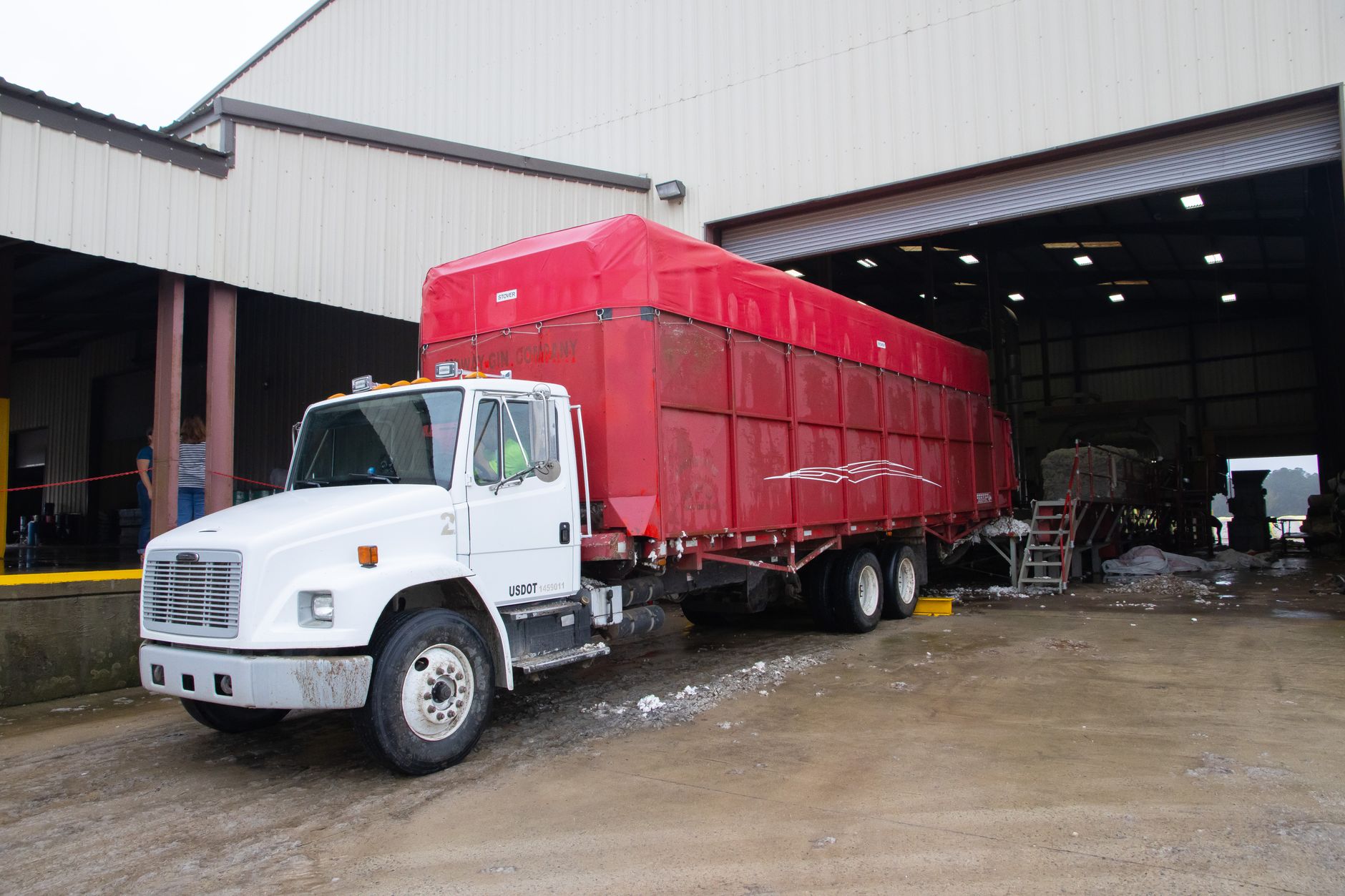
Repetitive cart moves are one of the fastest AMR wins in manufacturing, especially when aisles are long and loads are heavy.
Service Robot Co. stays OEM-neutral, so the tugger or AMR fits your layout, payload, and financing structure, bought outright or leased through financing.
We handle site assessment, integration, operator training, and RoboCare service through a nationwide network of regional service engineers, so you are not juggling a robot vendor and a separate integrator.