a US alloy wheel manufacturer
How a Wheel Manufacturer Doubled Depalletizing Throughput Past 400 per Hour
Manual alloy-wheel depalletizing capped near 200 units per hour. A custom robot cell sorted wheels, dunnage, and pallets and passed 400 per hour.
- 400+
- wheels per hour
- 200
- manual rate before
- 45 lb
- max wheel weight
- 385
- automation target
Based on a documented real-world deployment. Figures are from public reporting; the organization is not named.
Heavy pallets and a hard throughput ceiling
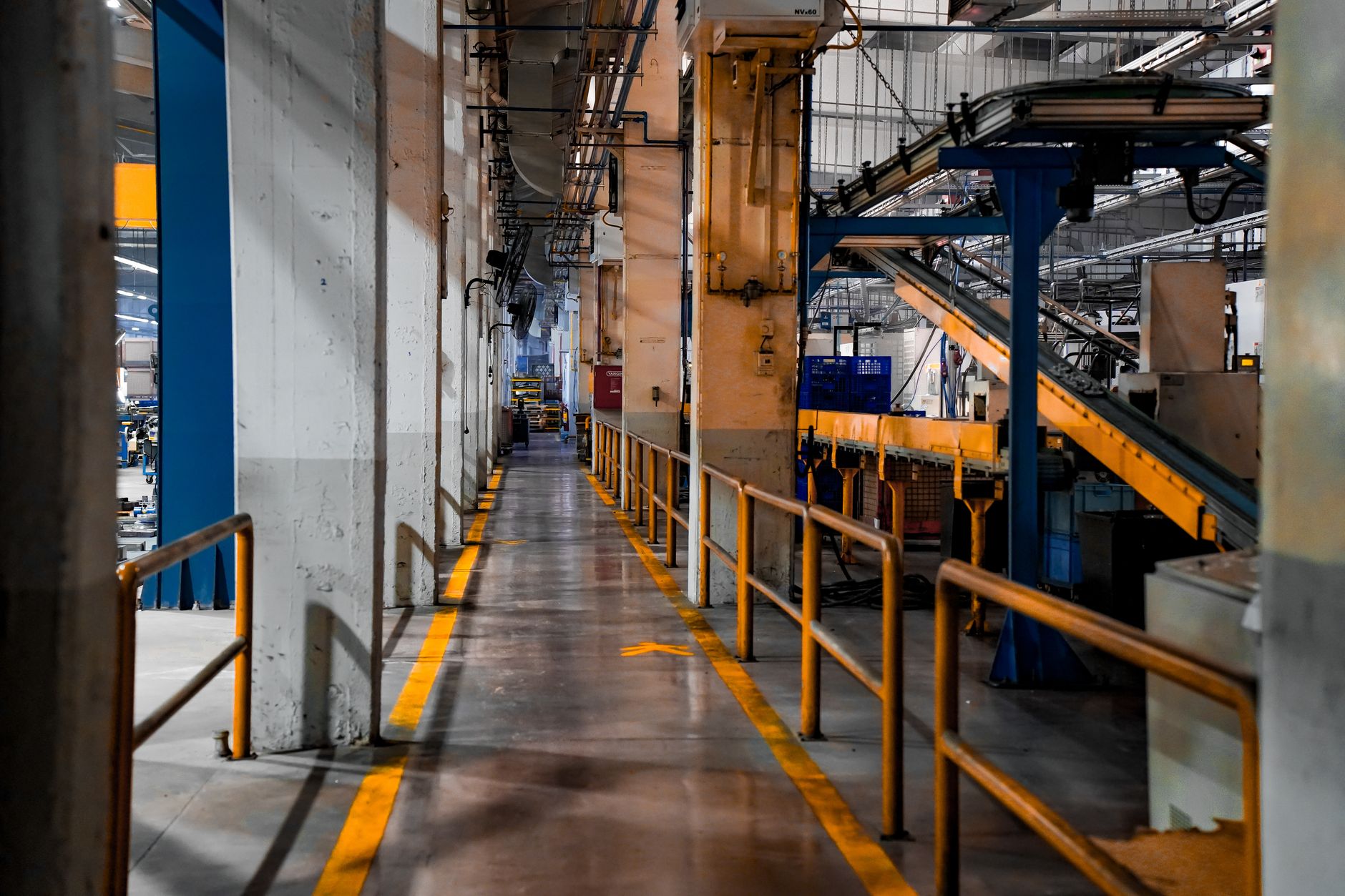
A US alloy wheel manufacturer unloaded palletized wheels by hand onto an inclined conveyor that fed machining. Workers moved roughly 200 wheels per hour, and individual wheels could weigh up to 45 pounds.
Each stack included protective dunnage between layers and plastic pallets that also had to be cleared and sorted by size. The mix of wheel sizes made every pick awkward and slowed the line when labor was tight.
Leadership wanted to remove the lifting strain and raise rate without redesigning the whole plant around a new layout.
Custom depalletizing with sorted dunnage handling
Integrators built an automated depalletizing cell around a large six-axis robot the plant already wanted to reuse. The cell had to pick wheels quickly, stage dunnage in separate piles, and keep cycle motion tight.
Engineers shrank the robot work envelope from about 180 degrees of sweep to about 90 degrees so picks and places happened faster with room to sort dunnage opposite the conveyor feed.
The automation target was 385 wheels per hour, well above the manual baseline, while keeping wheels oriented correctly onto the existing conveyor path.
- Define pick points for varied wheel and dunnage sizes on each pallet layer
- Tighten robot motion to shorten cycle time without sacrificing reach
- Route sorted dunnage and pallets away from the wheel conveyor
- Prove rate on production pallets before cutting manual unloading shifts
Throughput past the original automation goal
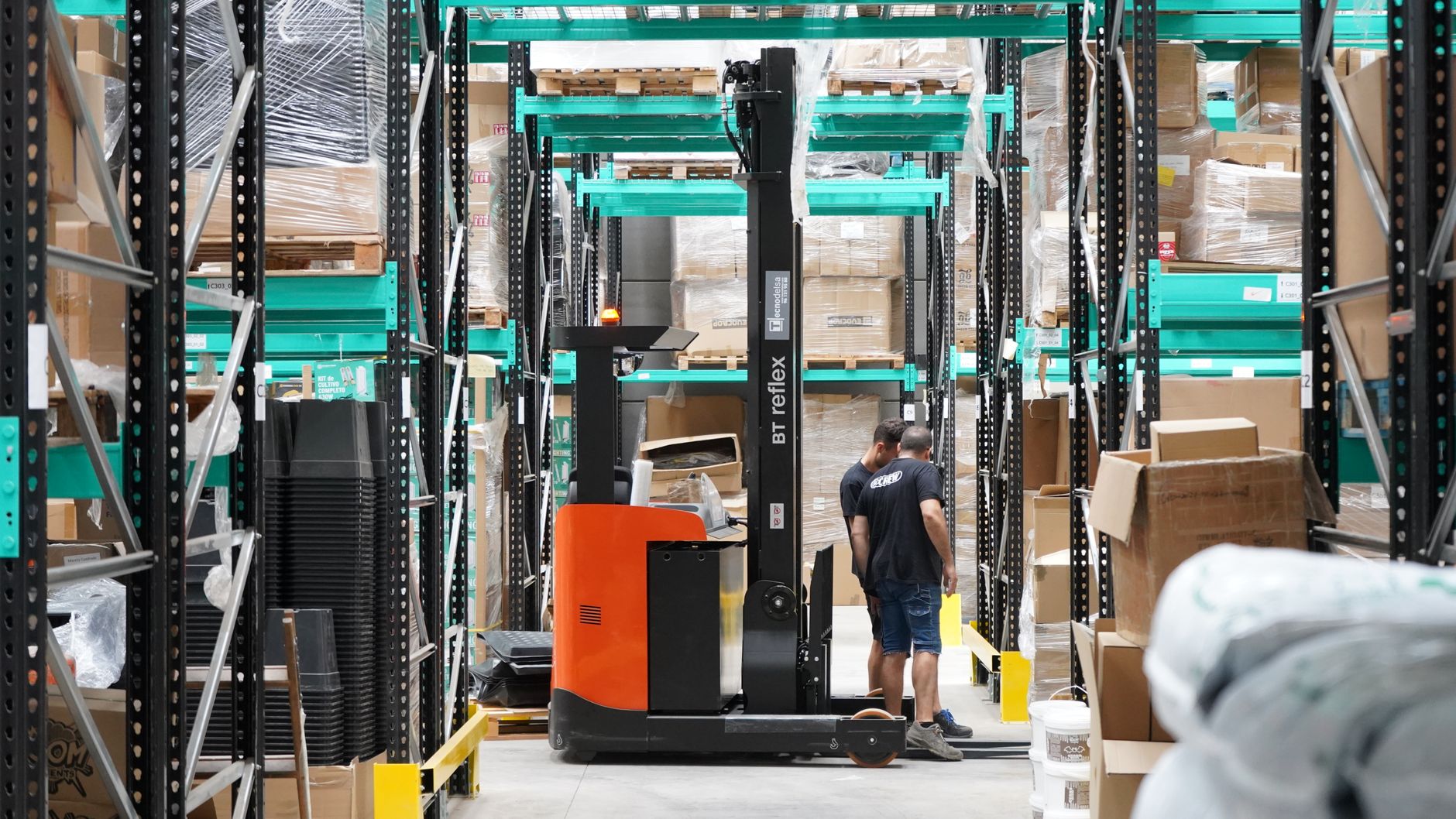
After startup, the cell sustained more than 400 wheels per hour, above the 385 per hour design target and roughly double the prior manual pace near 200 per hour.
Employees no longer performed the heaviest lifts from each pallet layer, which was the primary ergonomic driver for the project.
The pattern fits other metal and automotive suppliers weighing cobot rental for manufacturing on depalletizing lines where weight and variety blocked simple fixed tooling.
What metal fabricators can take from the pattern
Service Robot Co. is a full-service, OEM-neutral commercial robot integrator for US businesses. We help plants compare depalletizing and machine-tending options, finance cells with monthly payment programs when useful, and deploy with integration, training, and nationwide service.
This study reflects a documented US wheel manufacturer deployment, not a Service Robot Co. customer. It still answers the question plant managers ask: when manual depalletizing tops out near 200 units per hour, can a tailored robot cell double rate without a greenfield line?
Vendor-neutral selection matters because reach, payload, and vision needs change with wheel finish and dunnage mix. One partner for assessment, integration, and on-site dispatch keeps uptime tied to production schedules.