
a wholesale safety-equipment distributor running a high-rise warehouse with narrow aisles
How a Wholesale High-Rise Warehouse Freed 40 Labor Hours a Week with Pallet AMRs
A wholesale distributor automated pallet moves to high-bay aisles with three AMRs, saving about 40 labor hours weekly while reach trucks kept putting away stock.
- 40 hrs
- Labor saved weekly
- 3
- Pallet AMRs deployed
- 12m
- Rack height
- 100k
- Orders per year
Based on a documented real-world deployment. Figures are from public reporting; the organization is not named.
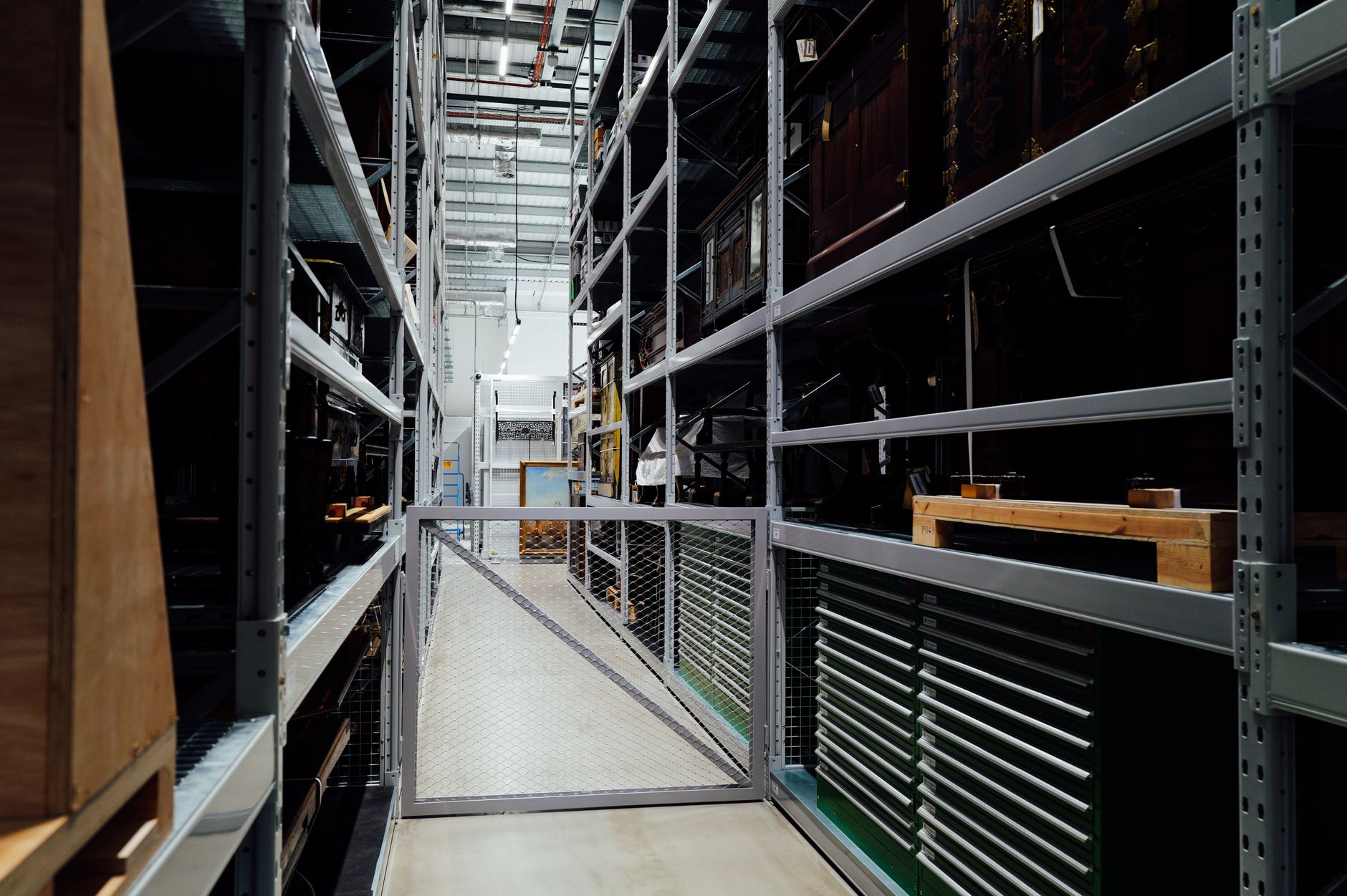
Inbound pallets collided with aisle traffic
The operation runs a high-bay wholesale center where reach trucks work narrow aisles up to twelve meters high. Pallets arrive around the clock, and most orders ship next day, so receiving cannot become a parking lot for manual moves.
Staff used manual stackers on the main routes to shuttle pallets from receiving to the aisle ends where reach trucks pick them up. That internal transport ate hours every week and crowded the floor during peak windows from early morning to late evening.
- Chaotic storage driven by a warehouse management system
- Tight space and constant forklift traffic
- Need to free planners for prioritization work
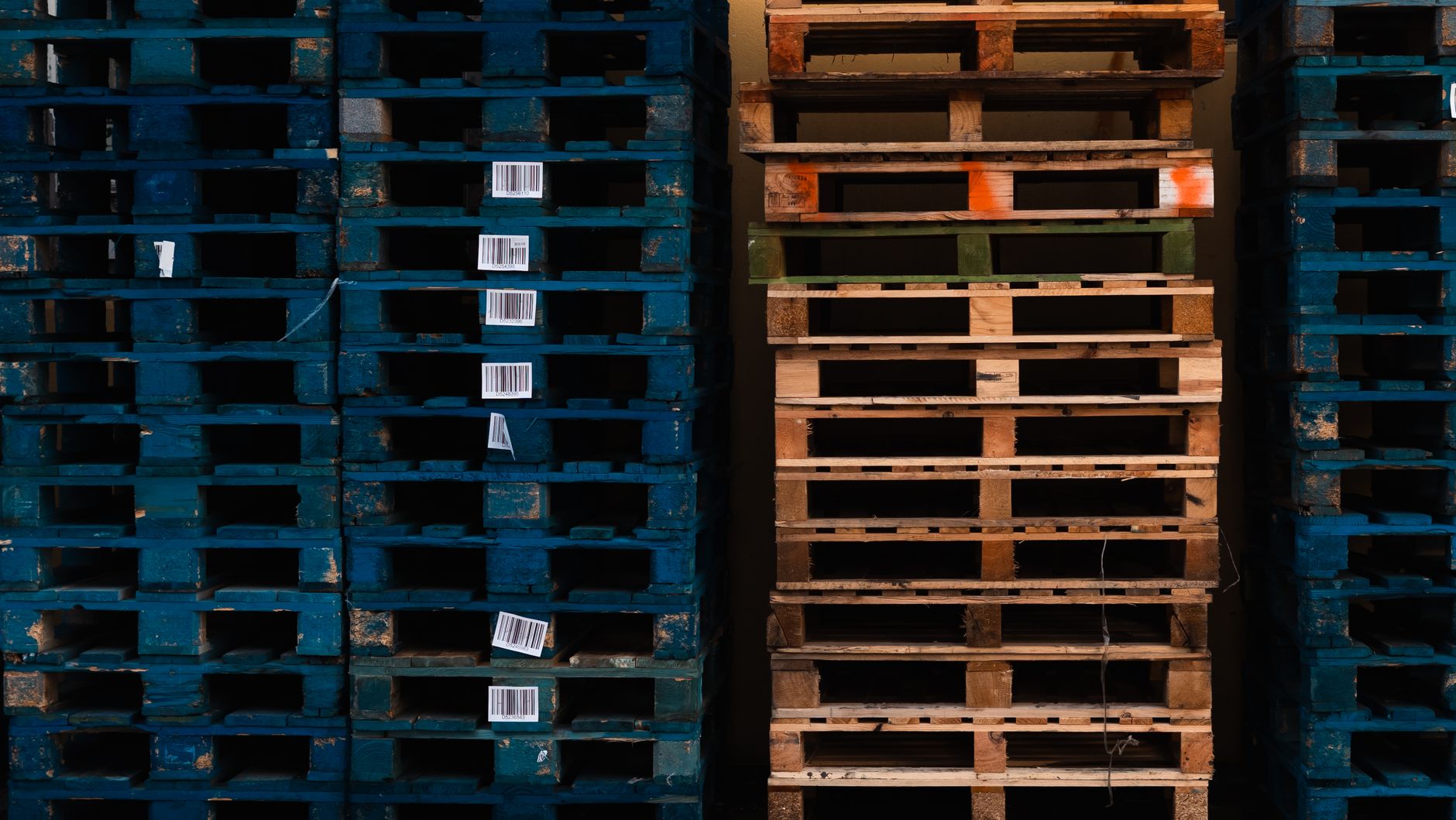
Dedicated AMR lanes and fleet scheduling
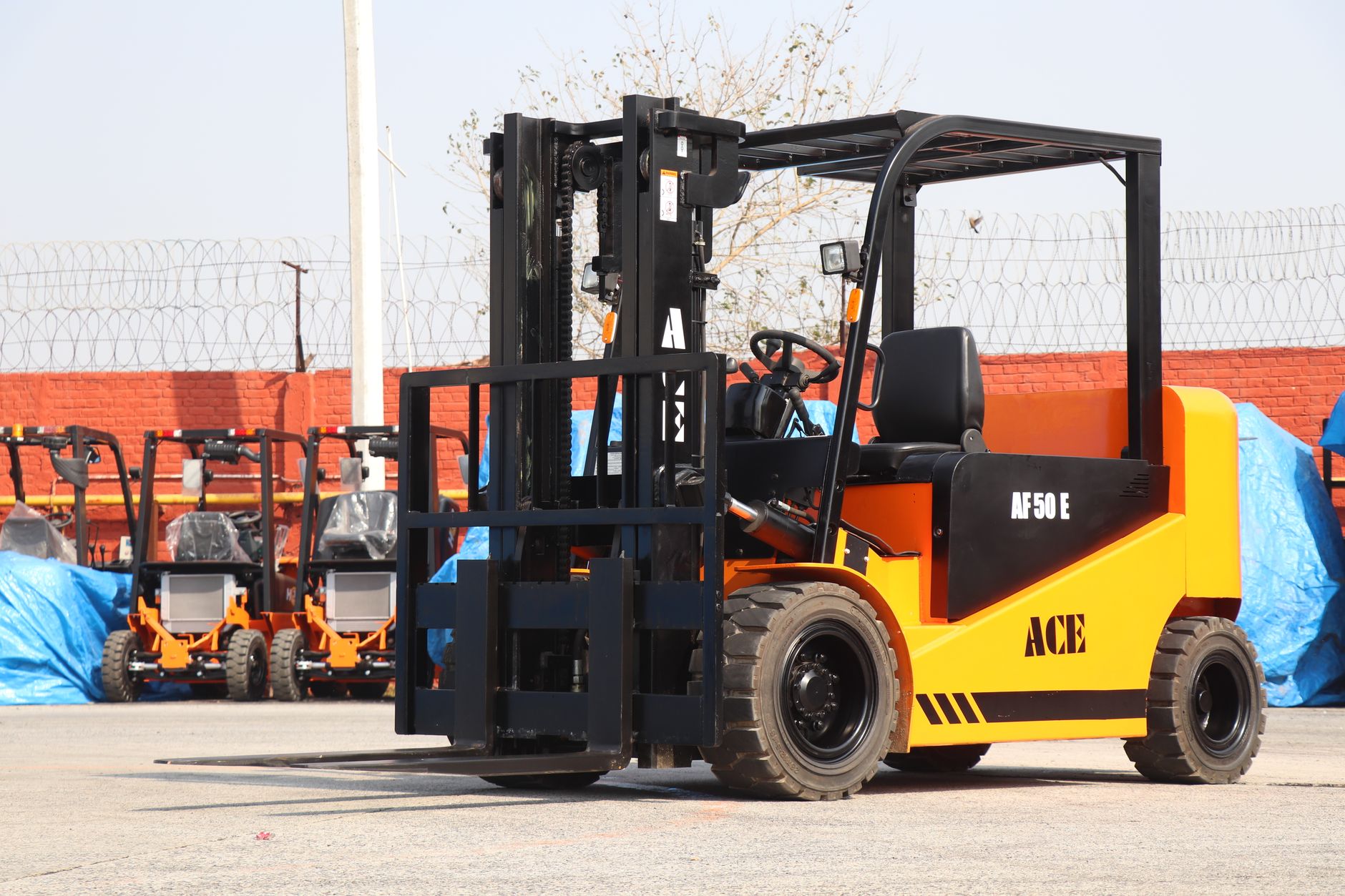
Leadership invested in three heavy-load autonomous pallet carriers sized for standard loads. Receiving places pallets on fixed transfer racks, and the AMRs haul them to programmed stops at aisle ends while reach trucks continue putaway.
Fleet software assigns each mission to the unit that can finish fastest, routes units to chargers between jobs, and shares live location with reach-truck tablets so humans and machines do not block one another. Audio and lights mark crossings in the busiest zones.
- Mapped a robot-only path to pull stackers off main aisles
- Trained receiving to stage pallets on transfer racks
- Linked truck tablets to live robot positions
Forty hours a week returned to planning work
Documented results show the three AMRs saving about forty labor hours each week that staff previously spent moving pallets between receiving and positioning areas. Three receiving employees each reclaimed several hours daily for assessment, prioritization, and flow tuning.
The site still processes on the order of one hundred thousand orders annually and tens of thousands of inbound pallets, but planners now spend that reclaimed time optimizing slotting instead of driving stackers. Operators report a calmer receiving floor with fewer crossing conflicts.
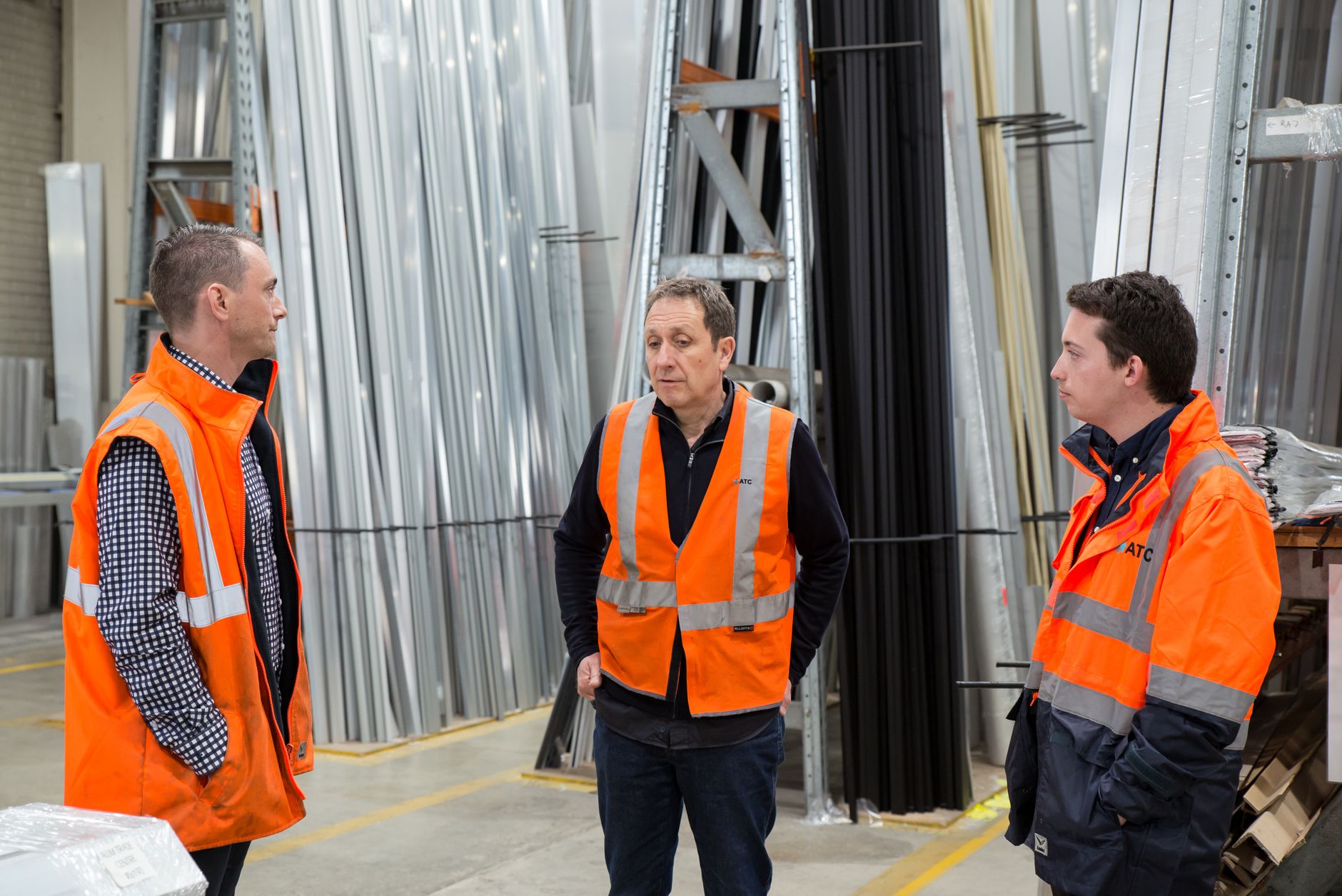
What wholesale operators can copy
This deployment is a documented example, not a Service Robot Co. customer story. It shows how pallet AMR robot leasing for business can start with one loop from dock to aisle mouth before anyone rewrites rack layouts.
Service Robot Co. stays OEM-neutral: compare autonomous pallet carriers, set buy or lease financing with monthly payment programs, map the first route on a site walk, and back the fleet with a nationwide network of regional service engineers so uptime does not depend on a single vendor hotline.