
a high-volume winery in Missouri
Winery Palletizing Cuts Labor per Case by 35 to 40%
See how a high-volume Missouri winery automated heavy case palletizing, raised production speed, and cut labor per case by a documented 35 to 40%.
- 35 to 40%
- Lower labor per case
- 185 kg
- Maximum robot payload
- 3,143 mm
- Documented robot reach
Based on a documented real-world deployment. Figures are from public reporting; the organization is not named.
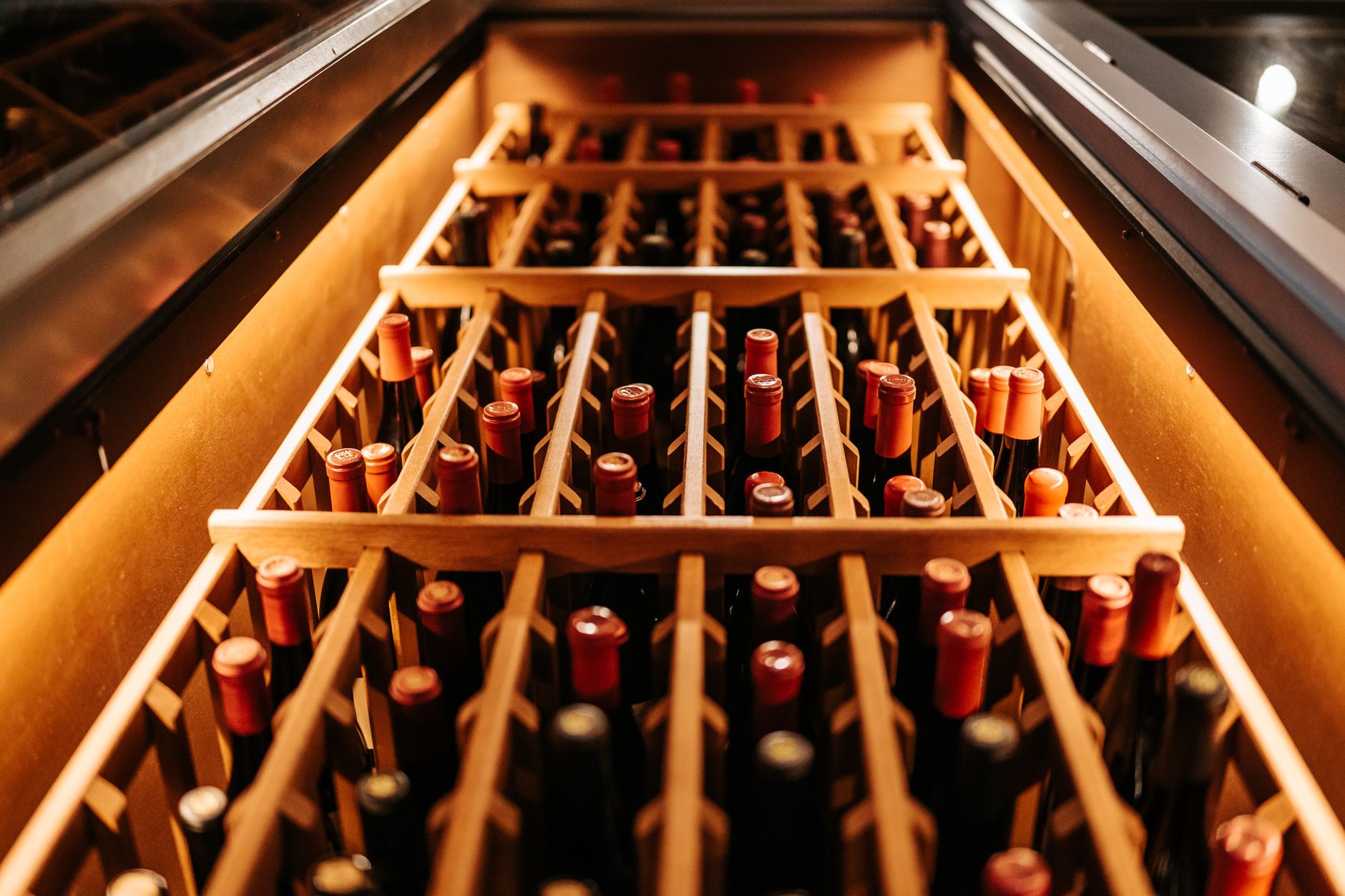
A bottling line pressed against its labor limit
Growth was colliding with scarce labor at a high-volume winery in Missouri. Its packaging flow still depended on people to unload glass bottles, pack and tape cases, then palletize the finished cases by hand.
That final lift was punishing. Repeated handling produced fatigue, slowed production, and began to erode margins just as order volume demanded more from the line. The winery needed end of line automation that could raise pace without a prolonged interruption.
- Manual palletizing placed the heaviest repetitive work on employees.
- Fatigue was suppressing production speed.
- Limited labor made rising demand harder to absorb.
- Installation had to protect continuity on the active bottling line.
Put the machine where the strain accumulated
The deployment began with an evaluation of the manual packaging sequence. The integrator isolated palletizing as the burden worth automating, then designed a cell around a dedicated palletizing robot while preserving the surrounding bottling workflow.
The system was built and installed quickly, with disruption to the line kept to a minimum. Operators found the automation easy to learn and use, which helped the new cell settle into daily production without turning adoption into another bottleneck.
The published account does not describe a phased rollout, formal training syllabus, or robot maintenance service plan. It supports a rapid installation and straightforward operator adoption, but no more specific claim should be attached to this deployment.
- Observe the complete packaging flow before selecting the automation point.
- Match the robot to repeated full-case lifting and the required pallet pattern.
- Build and install around the working bottling line with minimal disruption.
- Move operators from heavy lifts into work that calls for greater skill.
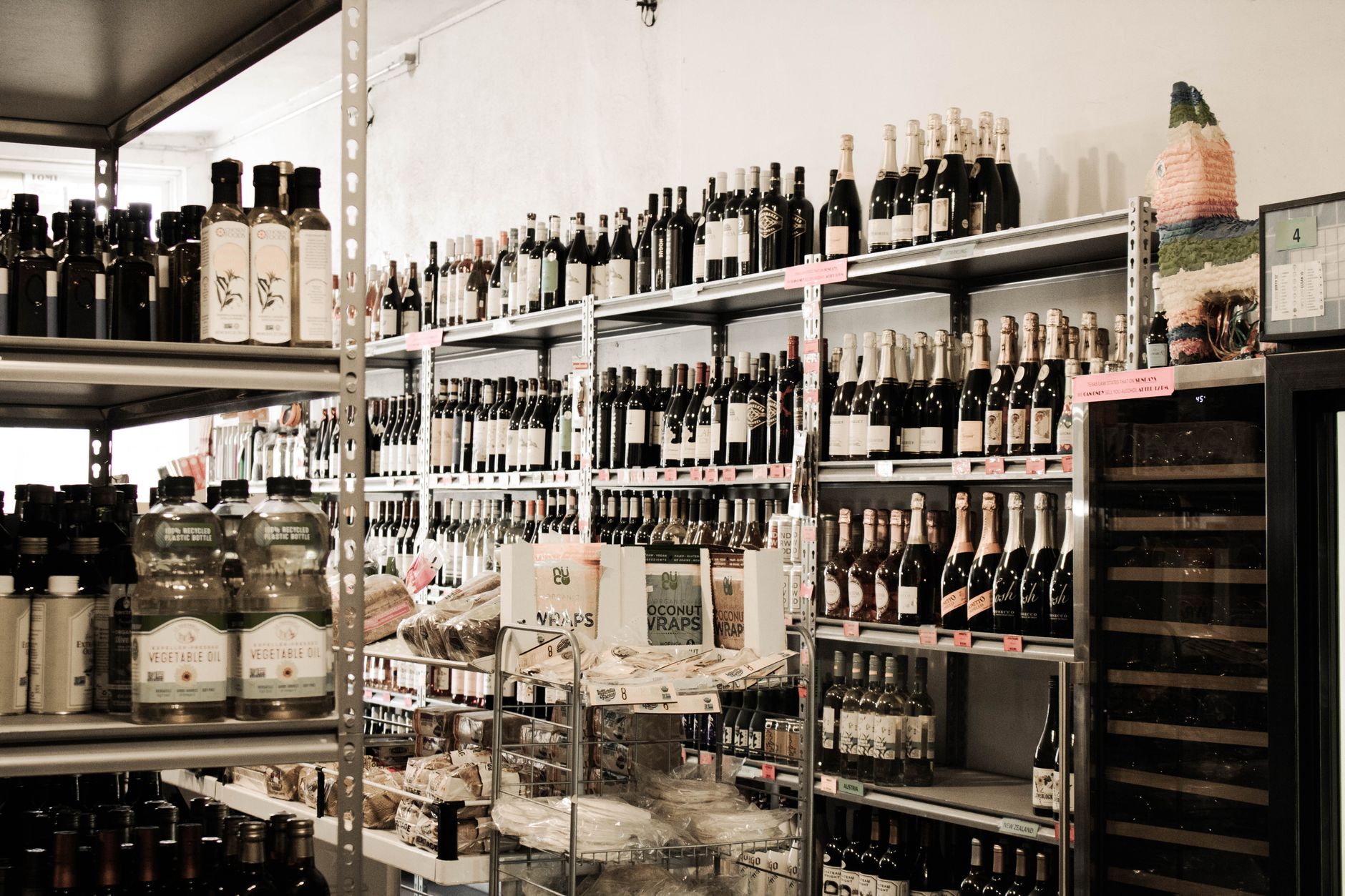
Labor intensity fell where the case was finished
The winery measures return through labor per case. On that measure, it reported a 35 to 40% reduction after palletizing was automated. The source also reports higher production speed and better margins, without assigning a separate percentage to either gain.
The operational effect reached beyond the ledger. The robot assumed the heavy lifting, reduced back strain, and allowed operators to shift toward higher-skill tasks. Employees also found the equipment easy to use.
No throughput rate, payback period, headcount reduction, or installation duration is published. The defensible result is therefore precise and narrow: materially less labor per case, accompanied by faster production and improved margins that were reported but not numerically quantified.
From a documented result to a deployable program
This is a documented real-world example that Service Robot Co. analyzes. It is not a Service Robot Co. client deployment. Its lesson is practical: a well-chosen palletizing cell can remove an exhausting constraint and improve unit economics without forcing the surrounding line to be rebuilt.
Service Robot Co. is a full-service, OEM-neutral commercial robot integrator for US businesses. As a vendor neutral robot integrator, we select equipment across manufacturers, then handle robot deployment and integration, financing, staff training, and continuing service through a nationwide US engineer network.
That single accountable lifecycle partner gives wineries room to compare purchase, robot leasing for business, monthly payment programs, and palletizing robot leasing without splitting responsibility across vendors. The commercial structure can change. Ownership of selection, commissioning, training, and support stays in one place.