
a county-operated pair of public golf courses in southeastern Wisconsin
How a Wisconsin County Golf System Saved 1,900 Fairway Hours a Season
A southeastern Wisconsin county golf system piloted robotic fairway mowers and projected about 1,900 seasonal labor hours removed across two public courses.
- 1,900
- Hours per season
- 68 hrs
- Weekly fairways
- 28 wks
- Mowing season
- 224 ac
- Mapped turf
Based on a documented real-world deployment. Figures are from public reporting; the organization is not named.
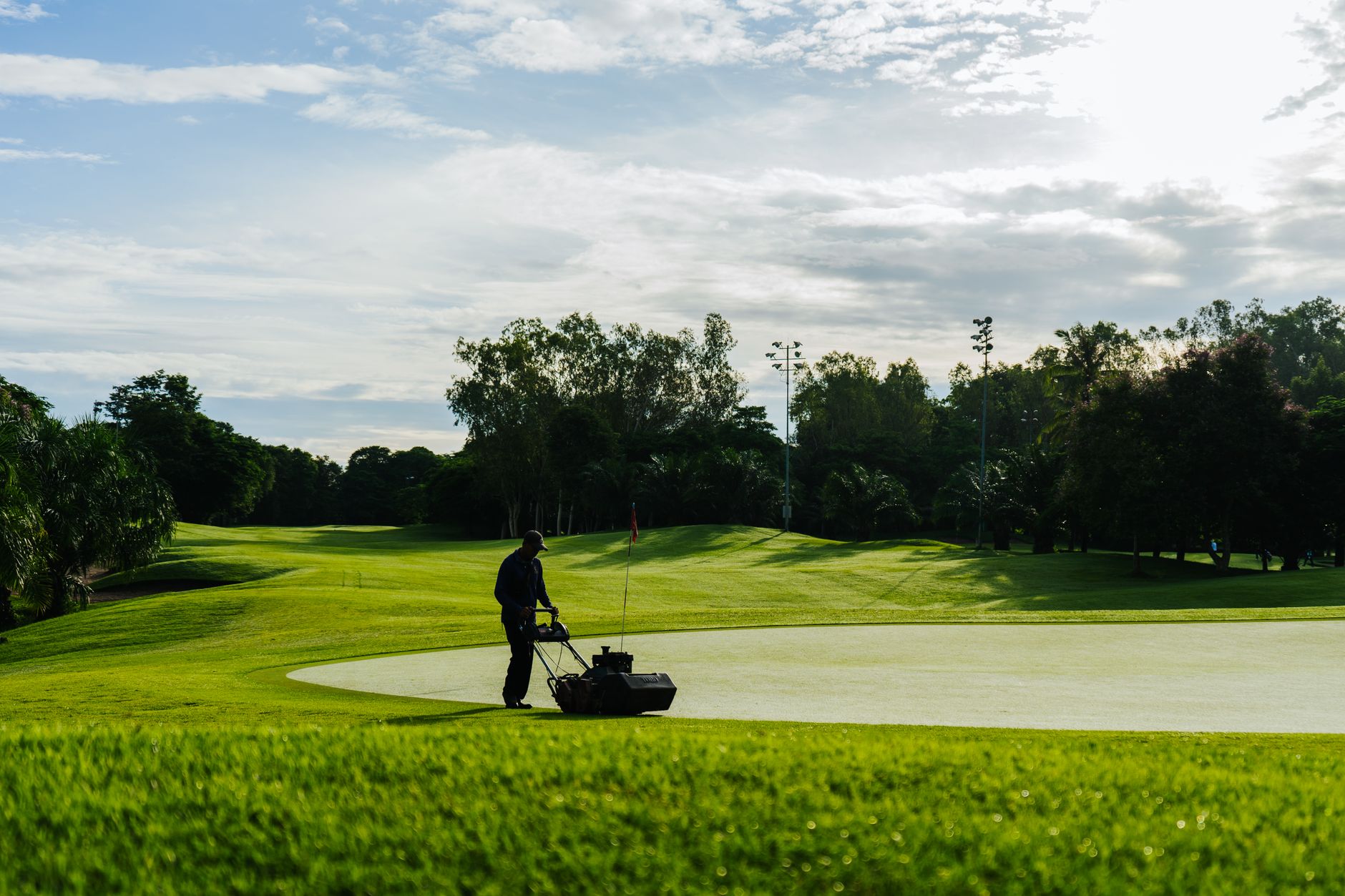
Fairways owned the early morning
A county-operated pair of public golf courses in southeastern Wisconsin relied on aging diesel fairway units that were nearing replacement cost. Crews were starting fairway mowing as early as 3 a.m. on Monday, Wednesday, and Friday just to stay ahead of play at two busy municipal properties.
Parks leadership counted fairway mowing at 68 hours per week across an average 28-week season. That rhythm burned labor on repetitive loops while bunkers, approaches, and member-facing detail work competed for the same small staff.
Pilot first, fleet second
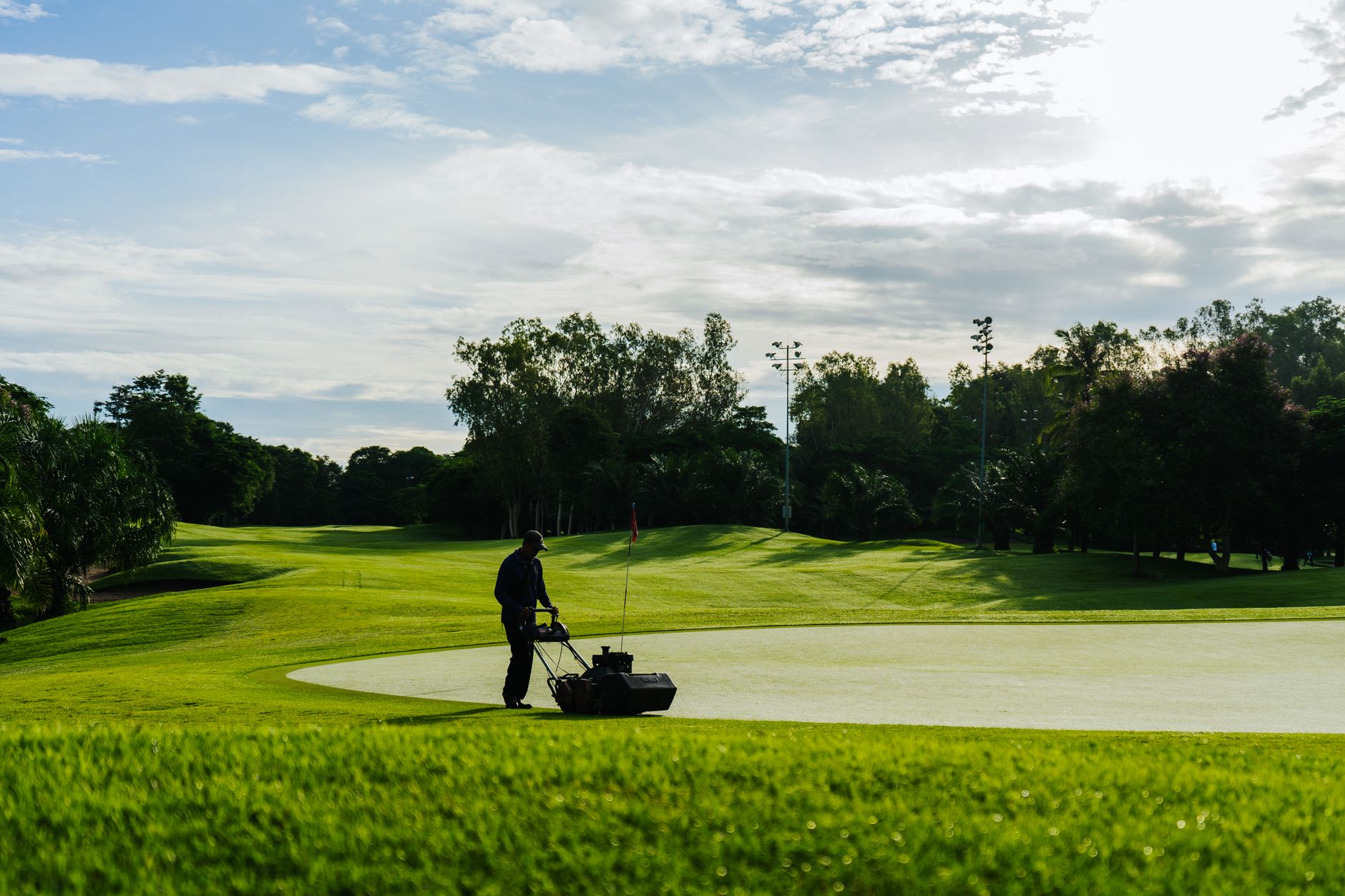
County parks staff ran robotic mower trials for three years before a three-month live test on portions of both courses. A committee then recommended buying 28 robotic mowers to cut fairways overnight instead of sending diesel crews out before dawn.
The planned schedule would mow half of each fairway one night and the other half the next, running from 8 p.m. to 8 a.m. Four legacy fairway mowers would stay as backup while older backup units were auctioned. Greens would remain hand-mowed while rough acres were added to the robotic map over time.
- Map about 224 acres of robotic coverage
- Mow roughly 50 fairway acres every other day
- Add about 75 rough acres to robotic routes
- Keep diesel fairways as backup units
- Fund purchase from golf capital reserves
Measured seasonal labor removal
County planners told local press in July 2026 that the robotic fleet would eliminate about 1,900 hours of labor every season while fairway mowing still totaled 68 hours per week across 28 weeks. They also noted replacement parts costs between diesel and battery robots were similar once battery replacement was included.
Leadership cited reduced operating labor, capital, energy, and maintenance labor alongside healthier turf. Milwaukee County courses were already using robotic mowers, while this county system treated the purchase as a first for its own golf properties pending final board approval.
What this means for your course
Service Robot Co. did not run this county project. It is a public example of how a municipal superintendent can trade 3 a.m. fairway shifts for overnight robotic coverage with a mapped acreage plan.
For US courses comparing buy or lease paths, Service Robot Co. stays vendor neutral on autonomous fairway fleets, clubhouse scrubbers, and patrol tools. We finance, map, train, and service through RoboCare and a nationwide network of regional engineers so one partner owns the lifecycle instead of siloed vendors.