a women's acute-care hospital in the United Kingdom
How a Women's Acute-Care Hospital Raised EVS Productivity 57% With Scrubbers
A UK women's hospital used autonomous floor scrubbers to lift cleaning productivity 57%, cut water and energy use, and keep corridors dry during peak hours.
- 57%
- Productivity gain
- 62k L
- Water saved yearly
- 876 kWh
- Power saved yearly
- 100%
- Incident free
Based on a documented real-world deployment. Figures are from public reporting; the organization is not named.
Corridors that never really dried
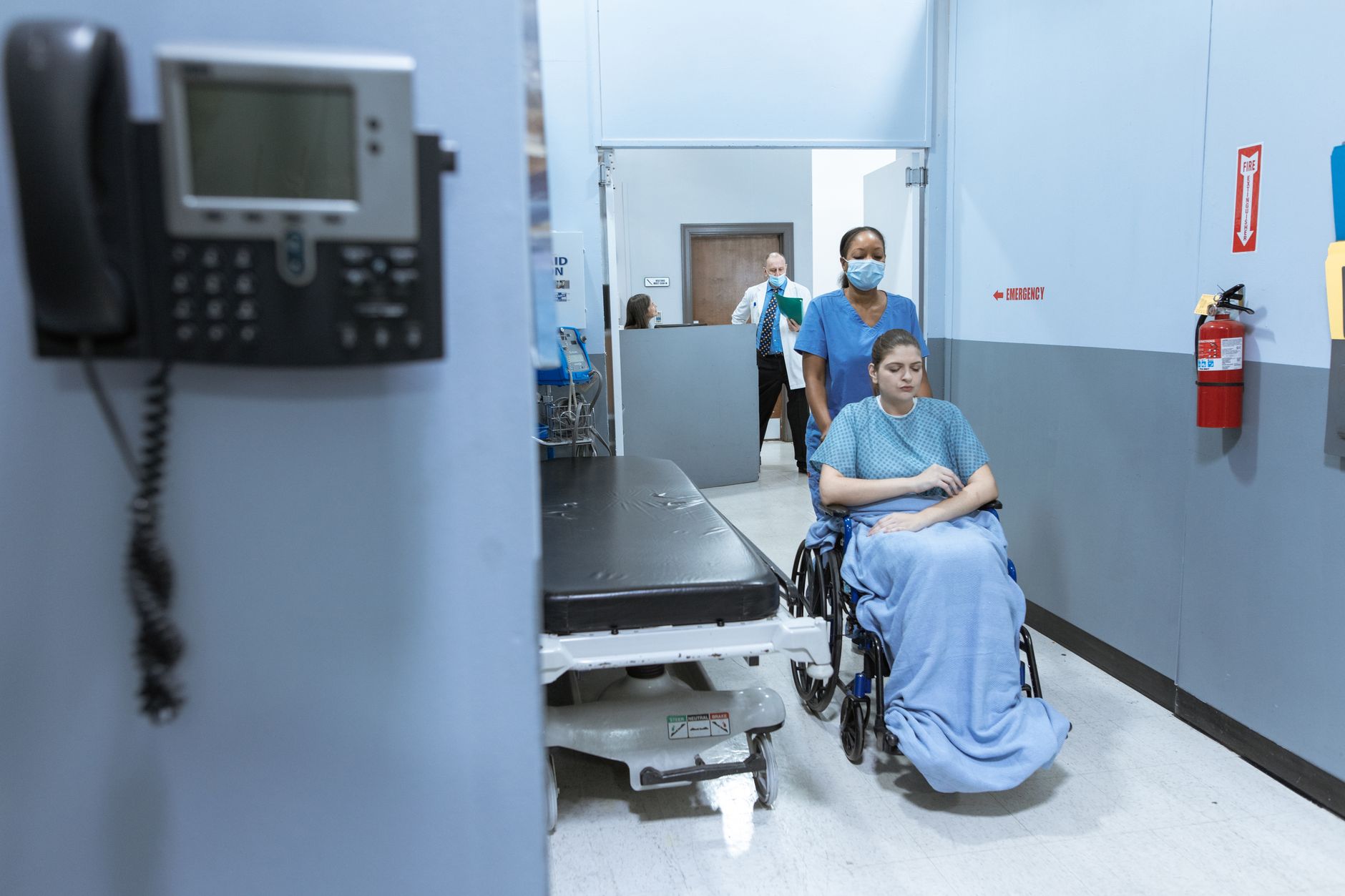
A women's acute-care hospital in the United Kingdom runs busy public corridors and clinical adjacencies where foot traffic peaks when visitors arrive and shifts change. Environmental services had to hold high hygiene standards without pulling nurses or front desk staff into floor work.
Wet floors during those peaks created slip risk and complaints. Leadership also faced contract pressure to show innovation and cost discipline while keeping headcount stable and redeploying cleaners toward patient support rather than endless mop cycles.
- More frequent cleaning in high traffic zones without adding labor
- Dry, safe floors when the building is fullest
- Measurable sustainability gains on water and electricity
Autonomous scrubbers on a fixed route plan
The hospital's facilities partner introduced autonomous floor scrubbers sized for healthcare corridors. Routes were mapped for public areas first, with run times set to avoid the worst congestion while still delivering dry finishes before peak inflow.
Supervisors trained EVS leads as site champions so humans could start runs, monitor progress remotely, and handle exceptions. The goal was not to cut staff but to free hours for help desk support, clinical adjacency tasks, and detail work robots do not cover.
- Mapped autonomous scrubber routes in corridors and public spaces
- Scheduled cycles to reduce wet floors during peak visitor hours
- Named internal champions for daily starts and exception handling
- Tracked water, energy, and productivity against contract targets

Measured gains on the floor

Documented results from the deployment show cleaning productivity rose 57%, allowing more square meters covered in the same labor budget. Reported sustainability figures include about 62,050 litres of water saved per year and 876 kWh of electricity saved per year, with lower related emissions.
Operations reported a 100% incident free record for the robot program in the published case material. Staff hours shifted toward patient facing support while corridor cleanliness held through busier periods without the old pattern of mopping during peak traffic.
What US hospitals can borrow from the pattern
Service Robot Co. is a full service, OEM neutral commercial robot integrator for US businesses. We help facilities teams compare autonomous scrubbers across manufacturers, then finance, deploy, map routes, train staff, and service units through a nationwide engineer network on one contract.
A month to month commercial cleaning robot rental or lease path lets you pilot corridor scrubbing before you commit capital. We run a free site assessment, align run windows with your peak traffic, and keep maintenance and dispatch on the same number so EVS leaders focus on patients, not vendor juggling.