
a 25-person wooden-tableware manufacturer in Vermont
Sanding Cobot Raises Throughput 40% With Two-Month Payback
See how a 25-person Vermont wooden-tableware manufacturer used a sanding cobot to raise throughput 40% and achieve payback in just two months.
- 40%
- higher production throughput
- 20%
- less operator sanding time
- 2 months
- estimated payback
- 25
- people in the workforce
Based on a documented real-world deployment. Figures are from public reporting; the organization is not named.
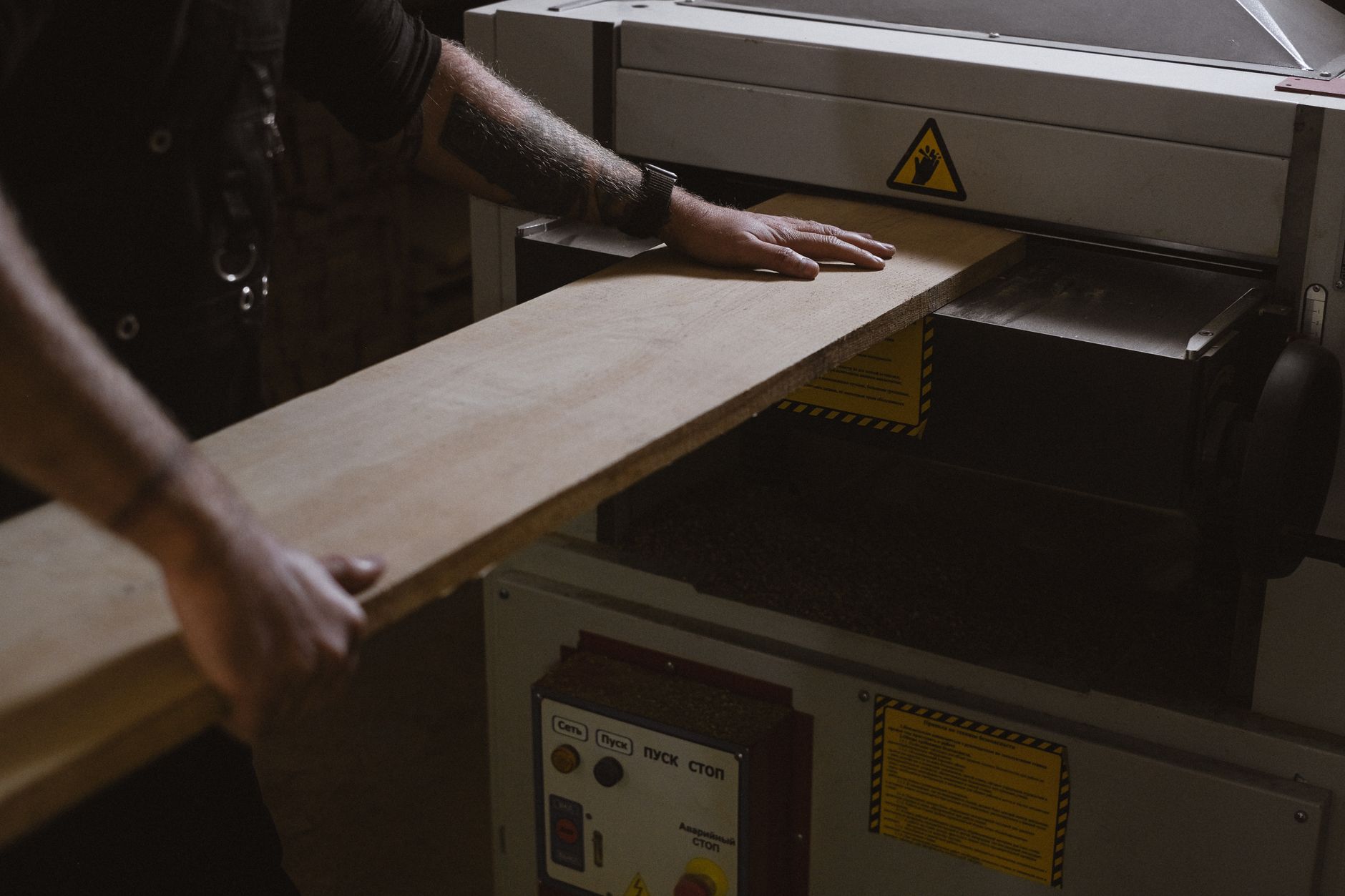
Finish Sanding Had Become the Choke Point
A skilled employee moved from manual sanding into finish turning, creating an opening the shop could not readily refill. The work meant standing at a downdraft table and sanding cutting boards throughout the shift, a repetitive assignment with limited recruiting appeal.
As unfinished work accumulated at finish sanding, the constraint began to govern output across the shop. The manufacturer needed more capacity without discarding the handwork and Old World techniques that distinguished its wooden tableware.
- An unfilled repetitive sanding position restricted flow.
- Short runs and varied product geometry demanded flexible handling.
- The cell had to preserve the shop's established hand-finishing methods.
- Operators needed an approachable way to program and adjust the process.
A Focused Cell, Built Around the Existing Craft
The team reviewed a sanding demonstration and compared automation options. It chose a collaborative architecture for its nonproprietary software, accessible digital and analog connections, and ability to accept the fixturing and tooling the shop wanted to build.
The resulting cell picked each prepared board from an infeed, secured it on a vacuum table, sanded the top, sides, and edges, then used a V-shaped jig to flip the work and finish the bottom. The team also built in automatic abrasive changes and programmed the sanding patterns in-house.
The published account describes a focused cell deployment, not a phased fleet rollout. Online learning and guidance from a local provider helped a first-time robotics programmer become comfortable teaching patterns and controlling peripherals, although the account does not describe an ongoing service contract.
- Demonstrate the target sanding task before equipment selection.
- Choose controls and interfaces that accommodate future tooling.
- Build and test workholding, flipping, sanding, and material flow as one cell.
- Train the in-house owner to teach patterns, change programs, and tune peripherals.
- Keep additional shop applications as future options until the first cell is proven.

The Bottleneck Released, and Output Followed
The cobot reduced the operator time spent bringing each board from rough to finished by about 20%. That time reduction translated into a measured 40% increase in production throughput with the existing staff.
Depending on board size, the automated finish-sanding cycle ran from 6 to 7.5 minutes. The cell could move through batches of 10 to 15 complete cutting boards based on available infeed and outfeed capacity, while program changes supported the shop's varied short-run work.
Based on the manufacturer's all-in robot and implementation costs, the production manager estimated payback at about two months. That unusually fast result belongs to this operation and its bottleneck economics. It should be treated as a documented outcome, not a universal forecast.
What This Example Means for a Smaller Manufacturer
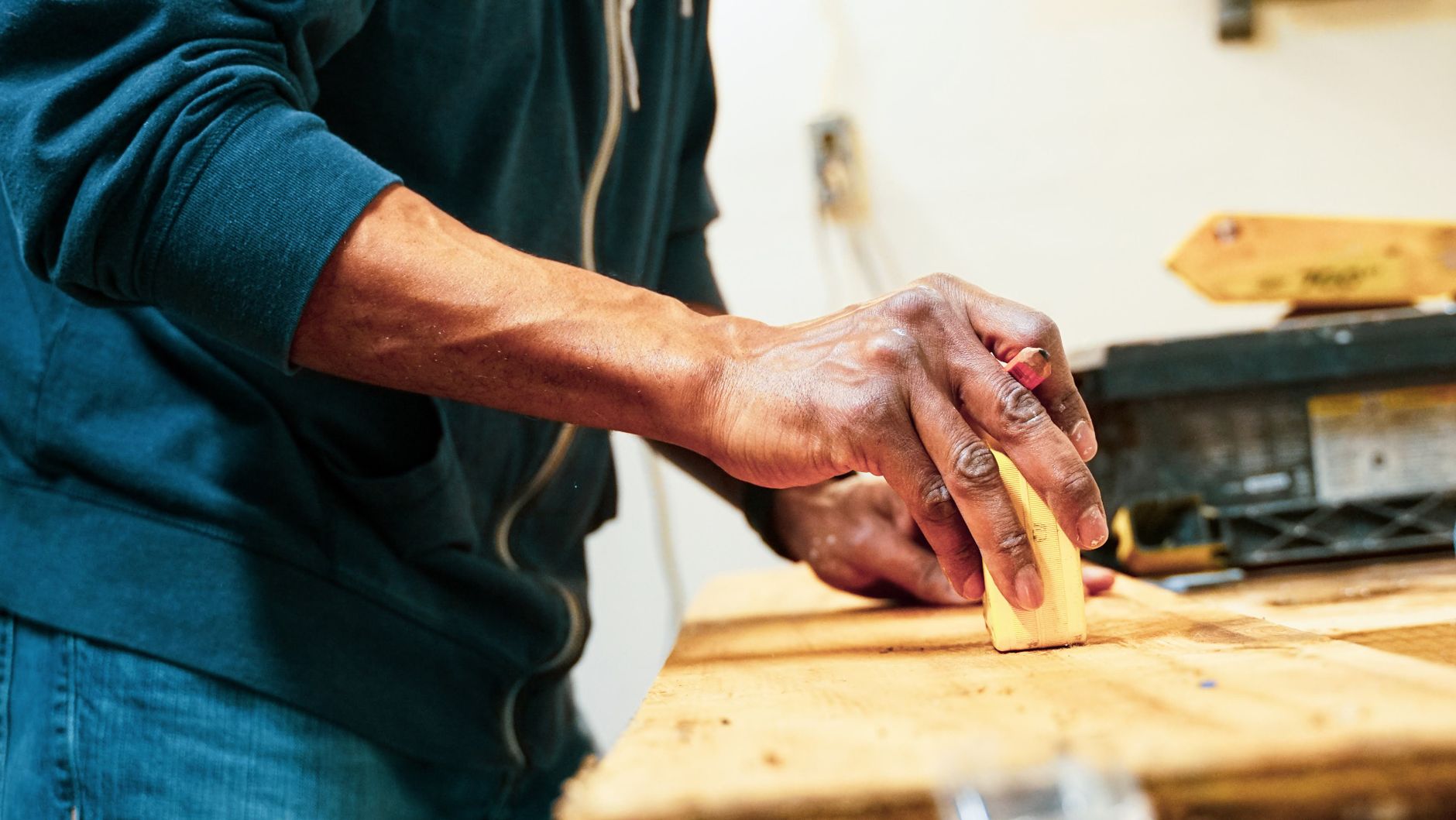
This is an independent, documented deployment that Service Robot Co. analyzes, not a Service Robot Co. client engagement. Its central lesson is practical: when a repetitive task is the true production constraint, a carefully scoped cobot can add capacity while keeping skilled people on work that benefits from their judgment.
Service Robot Co. is a full-service, OEM-neutral commercial robot integrator for US businesses. As a vendor neutral robot integrator, it selects equipment across manufacturers, arranges robot financing for small business and monthly payment programs, handles robot deployment and integration, trains operators, and services every unit through a nationwide US engineer network.
For a shop considering cobot leasing for manufacturing or a collaborative robot arm lease, that lifecycle model places selection, financing, deployment, training, and field service with a single accountable partner. The starting point is the process itself: cycle demand, part variation, workholding, abrasives, dust control, finish criteria, and the people who will own the cell after go-live.