a large full-service hotel with more than one thousand guest rooms in the United Kingdom
How an 1,100-Room Hotel Freed Corridor Vacuuming With Autonomous Robots
A documented 1,100-room hotel used autonomous vacuums on corridors and public areas, saving 2+ hours per 500 m². See rollout lessons US lodging teams can copy.
- 1100
- Guest rooms
- 2+ hr
- Per 500 m2
- 12 mo
- ROI target
- ~100%
- Floor coverage
Based on a documented real-world deployment. Figures are from public reporting; the organization is not named.
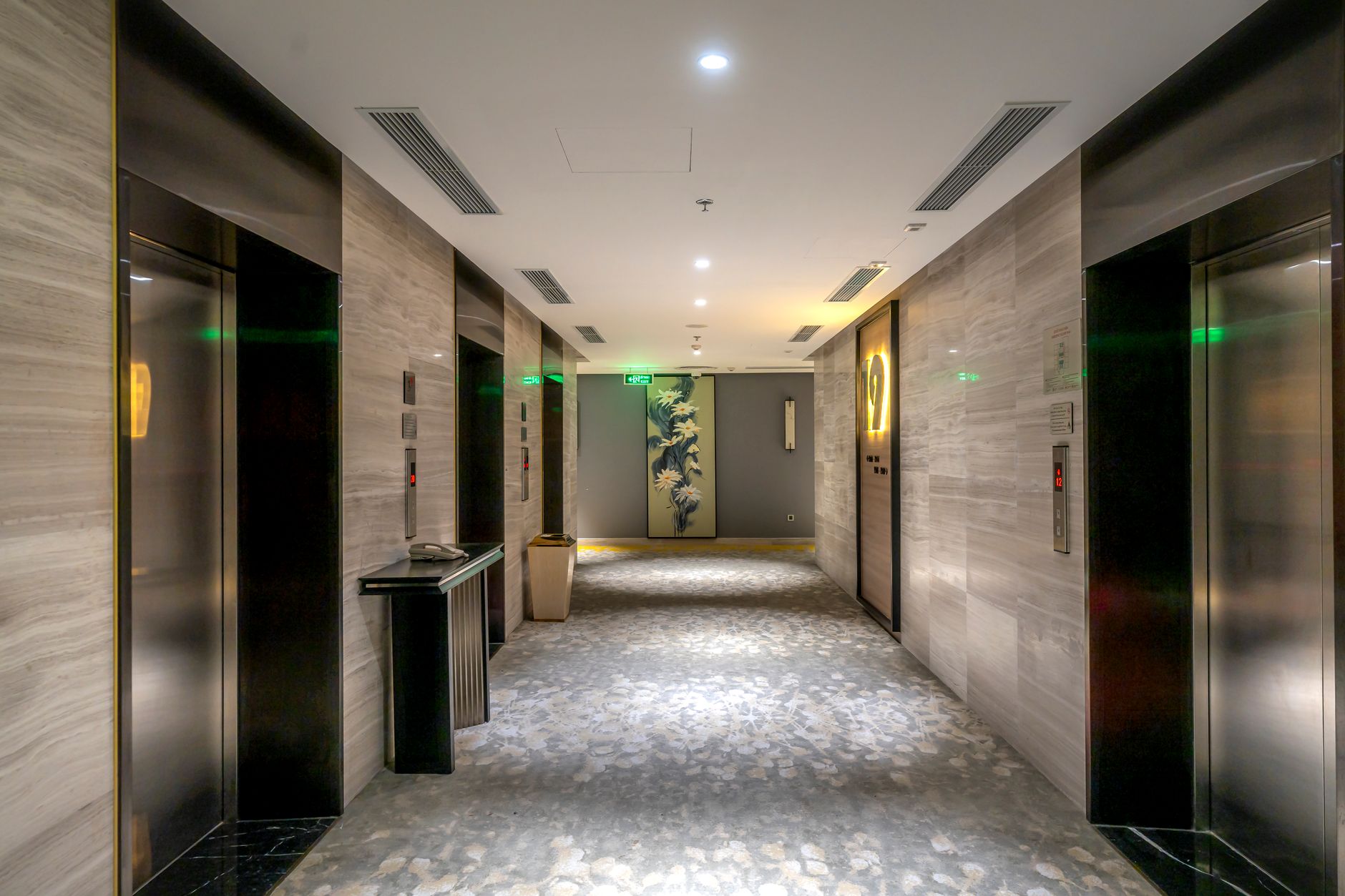
Corridors that outran hiring
A large full-service hotel with more than one thousand guest rooms in the United Kingdom needed every corridor carpet kept guest-ready while recruitment stayed difficult. The outsourced cleaning operator said it would otherwise dedicate a full role just to corridor vacuuming at that scale.
Smaller properties in the same program showed another gap: room attendants might spend only seconds vacuuming outside each door and mostly chase visible debris. The operator wanted deeper, consistent coverage without adding headcount on a property that already ran thin.
- More than one thousand rooms feeding long corridor runs
- Recruitment pressure on overnight housekeeping
- Inconsistent quick passes outside guest doors
Autonomous vacuums beside the human team
The contractor introduced autonomous vacuum robots for corridor routes and larger public zones such as reception, dining, and event space. Machines ran while areas were still active, using sensors to move safely around guests and luggage.
Operators paired robots with existing attendants instead of replacing them. HEPA filtration was part of the pitch for air quality, and the fleet targeted nearly complete coverage of available carpet area on each pass.
- Map corridor loops sized to the tower footprint
- Run vacuums in public areas during light guest traffic
- Keep attendants on rooms and detail work
- Track coverage so quick visual checks do not substitute for a full pass
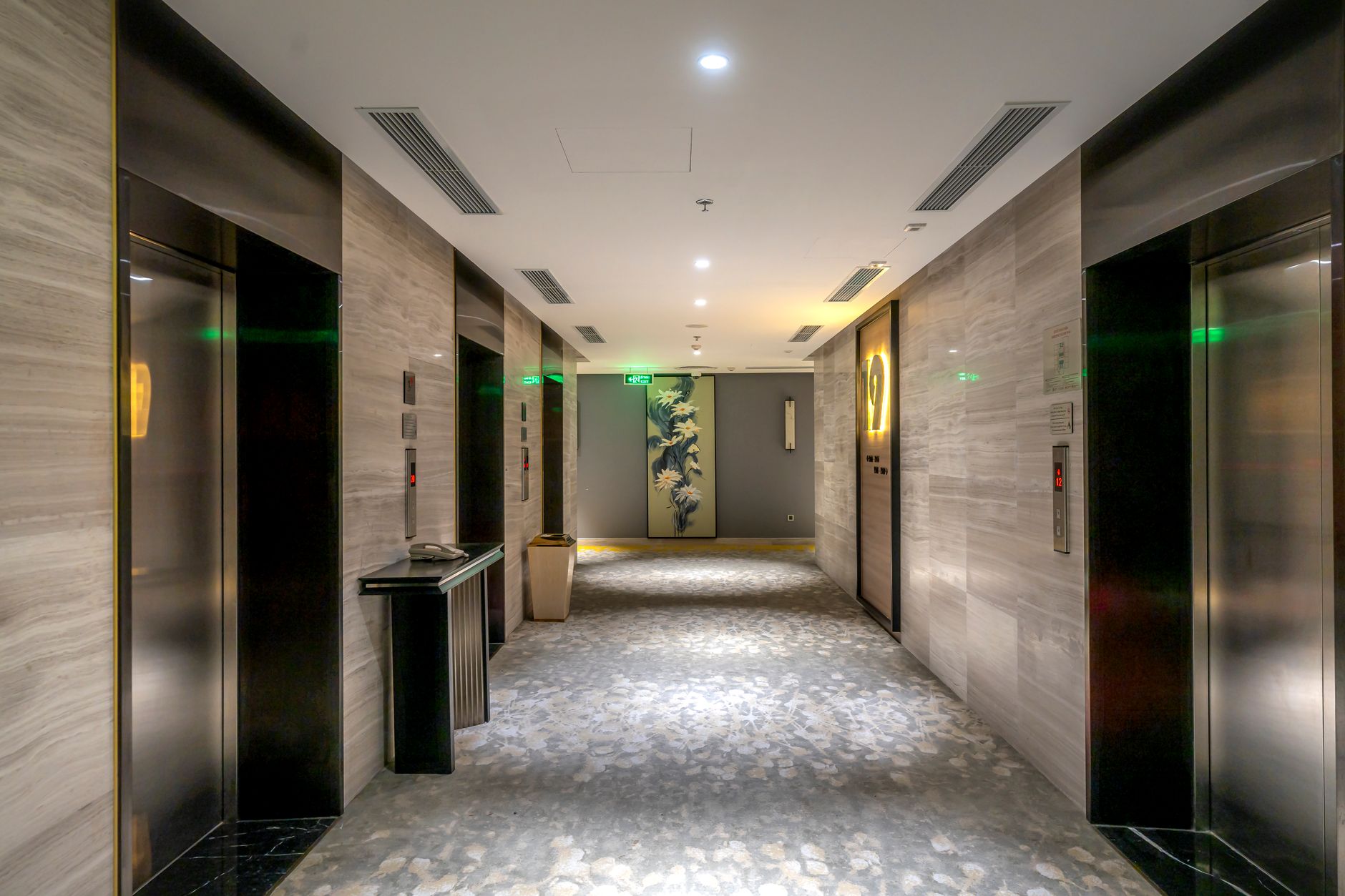
Documented time back on open carpet
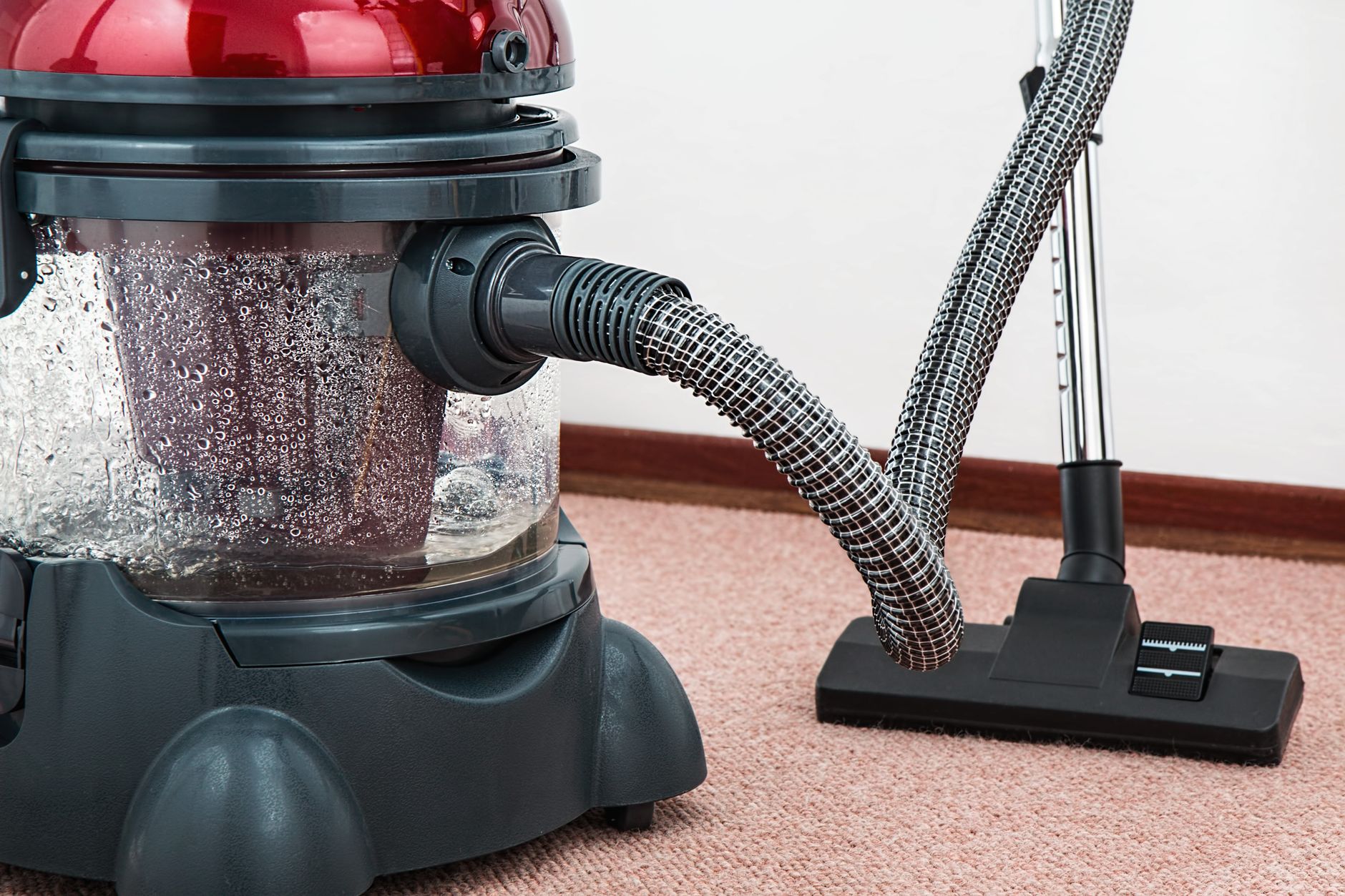
The published case study reports more than two hours of physical cleaning time saved per 500 square meters in larger open areas, even with guests present. Corridor automation at the 1,100-room site relieved the recruitment bottleneck the operator described for that property size.
Based on productivity savings alone, the contractor expected return on investment within about twelve months across the three machine types in its hospitality pilot. Attendants gained time for higher-value tasks while robots handled repetitive vacuum work.
Lessons for US hotels and integrators
This write-up analyzes a documented deployment overseas. Service Robot Co. did not run this hotel project, but US lodging teams face the same corridor miles and hiring gaps, especially in airport and convention properties.
A vendor-neutral integrator can place autonomous vacuums or scrubbers on a rental or lease path, map routes with your housekeeping lead, and service units nationwide. Start with one floor or one public zone, measure hours moved, then scale when the data holds.