
an 800-plus-bed residential care facility serving older adults
Autonomous Vitals Robot Saves More Than 1,500 Staff Hours
See how an autonomous vital signs robot returned more than 1,500 staff hours yearly by handling supply runs and overnight resident rounds at scale.
- 1,500+
- staff hours saved yearly
- 250 min
- daily workload replaced
- 40 beds
- overnight measurement round
- 80%+
- completed automatically
Based on a documented real-world deployment. Figures are from public reporting; the organization is not named.
Two Recurring Workloads, One Stretched Care Team
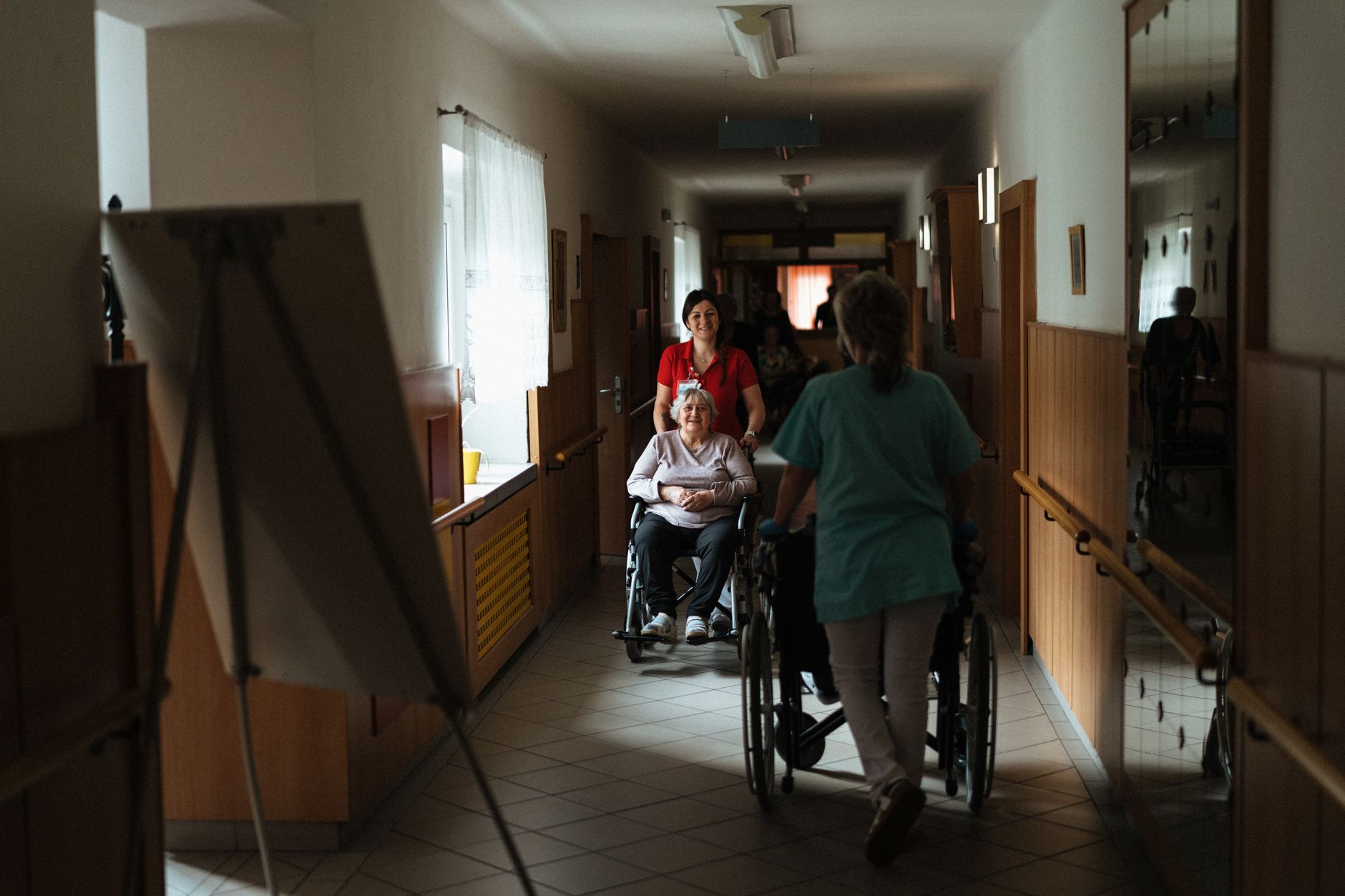
An 800-plus-bed residential care facility serving older adults had a stubborn allocation problem. Staff were making recurring daytime runs with diapers and medical consumables, then carrying overnight responsibility for routine resident monitoring.
Each task was necessary, but neither made the best use of trained caregivers. Repetitive transport consumed daytime capacity, while nocturnal rounds fragmented attention during the period when staffing pressure was most acute.
The practical target was precise: automate predictable movement and measurement while keeping clinical interpretation, exception handling, and resident care firmly with people.
- Daytime supplies still had to reach nursing stations reliably.
- Overnight measurements needed to be collected without unnecessary resident disturbance.
- Abnormal readings and incomplete measurements had to remain visible to nursing staff.
A Mobile Platform Built Around the Care Workflow
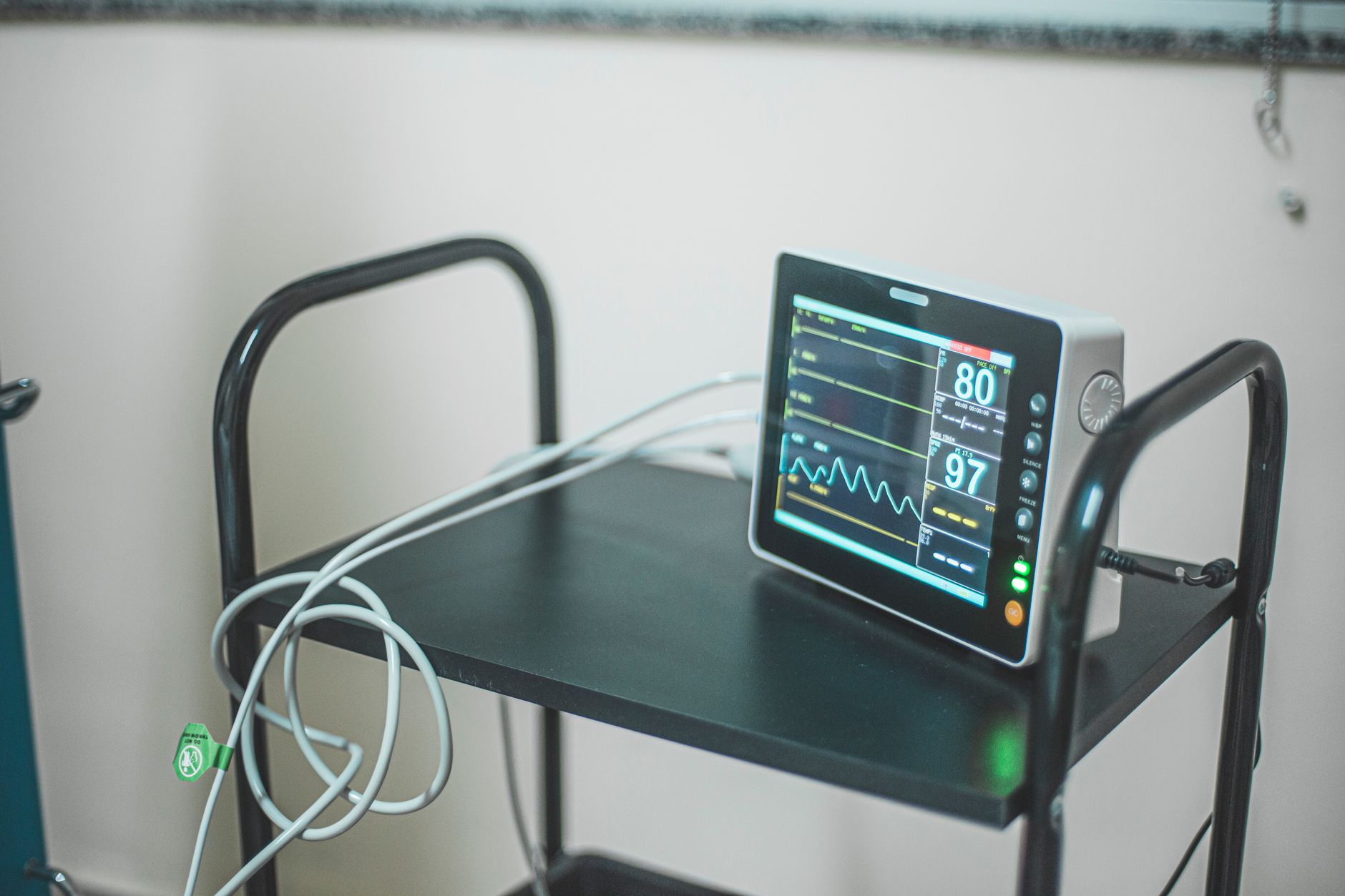
The documented deployment gave the mobile robot a dual assignment. During the day it transported supplies, and after dark it carried a contactless sensor along scheduled bedside routes to monitor vital signs and bed-exit conditions.
Staff selected beds and a time window through a web interface. Measurements flowed to the nursing station dashboard, out-of-range readings triggered an alert for human review, and unfinished beds were automatically listed for staff follow-up.
For comparable facilities, the evidence favors a phased deployment. Selection should begin with corridor fit, sensing requirements, resident routines, and escalation policy, followed by a bounded robot pilot program before broader adoption.
- Selection: match navigation, payload, sensing, and bedside positioning to the actual care environment.
- Pilot: validate mapped routes, measurement completion, alert handling, and resident acceptance.
- Training: rehearse scheduling, dashboard review, incomplete-bed follow-up, and safe intervention.
- Service: establish go live support, remote triage, on-site dispatch, RoboCare™ service, and backup procedures before routine use.
Measured Time Returned to Care
The combined daytime and overnight workload replaced by the robot reached about 250 minutes per day. The official annual result was more than 1,500 staff hours released from recurring transport and monitoring duties.
On the overnight route, the robot covered 40 beds in 2 hours and completed more than 80% of the measurements automatically. Beds it could not complete were not concealed inside an aggregate score. They were identified for staff follow-up.
The live trial also recorded 0 collisions and 0 resident complaints. Those findings matter in senior care, where operational gain has little value if navigation unsettles residents or introduces a new burden for the night team.
From Documented Result to a Supported US Deployment

This was not a Service Robot Co. deployment. It is a documented real-world example that Service Robot Co. analyzes to show what carefully bounded autonomy can accomplish in a demanding residential care setting.
For US businesses, Service Robot Co. serves as a full-service, OEM-neutral commercial robot integrator. We select the right equipment across manufacturers, arrange financing, handle robot deployment and integration, train the operating team, and service every unit through a nationwide US engineer network. A single vendor owns the whole lifecycle.
That model can support senior living robot leasing, autonomous mobile robot leasing, service robot leasing, and monthly payment programs. Site assessment mapping and a commercial robot demo establish fit before expansion, while ongoing service keeps responsibility from splintering across unrelated providers.
Frequently asked questions
Want a robot working for you?
Tell us the job and the site. We will recommend the robot, quote the lease, and keep it serviced.