
a large academic medical center in the Mid-Atlantic
Hospital Delivery Robot Cut Per-Trip Cost From $5.50 to $2.40
A Mid-Atlantic academic medical center lifted delivery reliability 23%, predictability 50%, cut trip cost to $2.40, and freed 6,123 hours of nursing time.
- $5.50->$2.40
- cost per trip
- 23%
- reliability lift
- 50%
- predictability gain
- 6,123 hrs
- nursing hours freed
Based on a documented real-world deployment. Figures are from public reporting; the organization is not named.
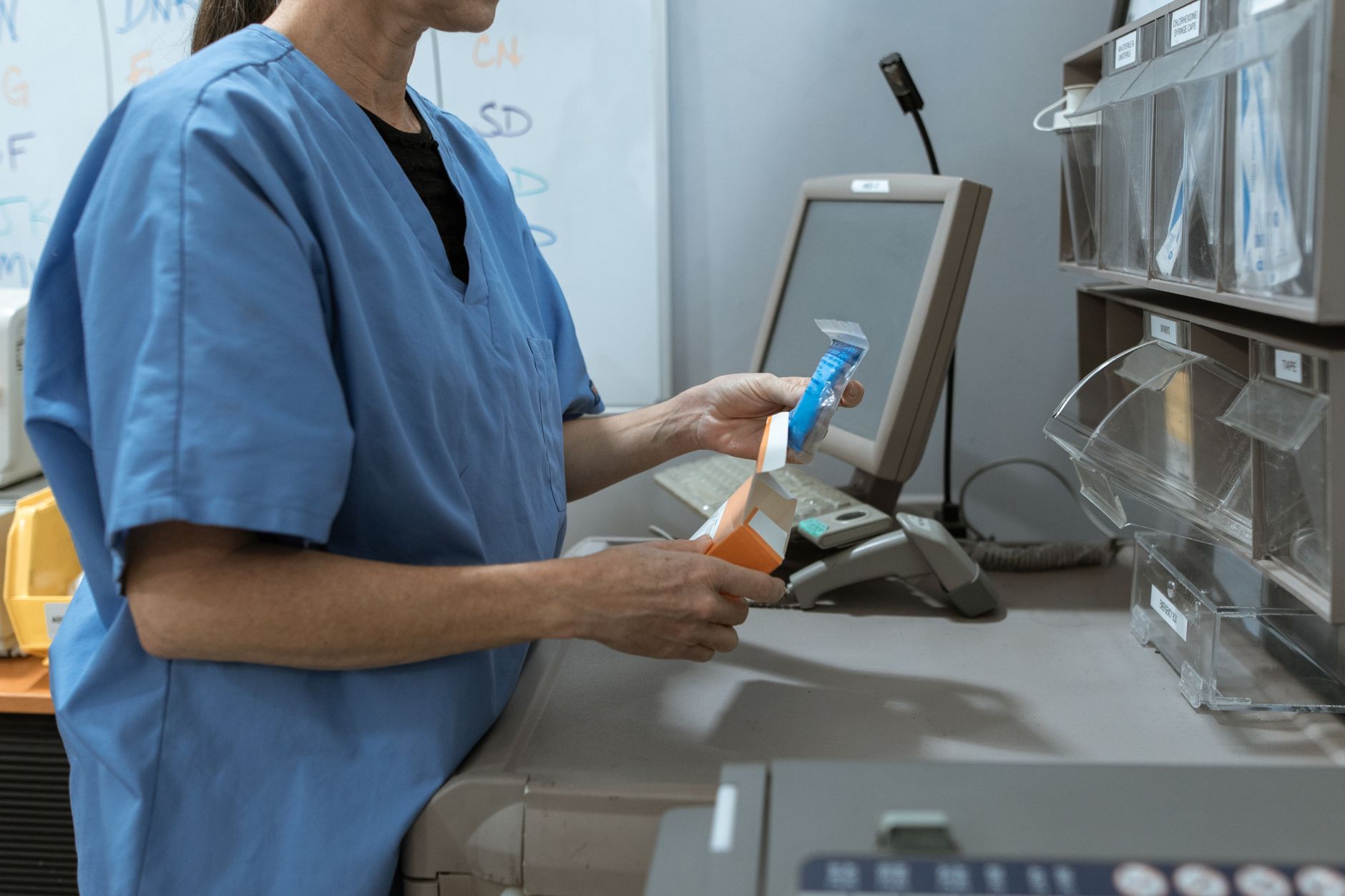
Medication delivery kept spilling into nursing time
At a large academic medical center in the Mid-Atlantic, medication transport had become a stubborn operational drag. Each trip carried a meaningful labor cost, but the harder problem was volatility. Units could not count on the same arrival pattern every time, and that uncertainty bled into care routines.
The burden did not stop at the trip itself. Nurses were still getting pulled into tracking and retrieval work when medications were delayed, hard to locate, or simply not where the floor expected them to be. The published account places the robot program inside a broader effort to tighten medication administration, reduce defects, improve safety, and lower cost.
- Hand delivery averaged $5.50 per trip.
- Arrival consistency was weak enough that predictability became a core operating issue.
- Nurses were still spending time tracking or retrieving medications instead of staying with patients.
A locked, software-linked transport workflow
The medical center inserted hospital delivery robots into the medication path rather than treating transport as an isolated courier task. Pharmacy staff printed a label, scanned the medication, loaded it into a locked drawer, and entered the destination into software that communicated wirelessly with the robot.
From there, the machine handled the run to the nursing unit and preserved a controlled handoff. The receiving nurse used a passcode and fingerprint scan to open the correct drawer and retrieve the medication, which kept the trip tied to the medication chain of custody.
The source does not publish a rollout timeline, training regimen, or service contract, so those details should not be invented. What it does show is a clear deployment pattern: software-linked dispatch, secure transport, authenticated receipt, and a workflow built around the realities of a live acute care hospital.
- Pharmacy staff labeled and scanned each medication before dispatch.
- Each order rode in a locked drawer linked to a software-set destination.
- The robot carried the medication to the nursing unit on its own.
- An authorized nurse used a passcode and fingerprint scan for retrieval.

Reliability rose while trip economics improved
The reported gains were concrete, not atmospheric. Delivery reliability improved 23%, and delivery predictability rose 50%, meaning the medications arrived more dependably and hit the promised window more often.
The economics moved just as sharply. Per-trip delivery cost fell from $5.50 for hand delivery to an average of $2.40 with the robots, a material shift for a hospital running repeated medication transport loops across the day.
Labor time came back to the floor as well. In the first year, the system freed 6,123 hours that nurses had previously spent tracking or retrieving medications. That is the kind of hidden transport burden that rarely shows up cleanly until a hospital measures it.
What this shows buyers evaluating hospital transport robots
This was not a Service Robot Co. deployment. It is a documented hospital case that shows what a strong medication transport robot program can change when the target is repetitive transport automation inside a live care environment.
For hospitals evaluating hospital delivery robot leasing, medication transport robot workflows, or leasing, the hard part is not spotting a machine at a trade show. It is choosing the right unit, fitting it to the corridors and elevators, integrating dispatch and handoff, training the staff, and keeping support accountable after go-live. Buyers can structure the project as purchase or lease or monthly payment programs, but lifecycle ownership still matters more than brochure specs.
That is where Service Robot Co. fits. We are a full-service, OEM-neutral commercial robot integrator for US businesses. We select the right robots across manufacturers, then finance, deploy, integrate, train, and service every unit through a nationwide US engineer network, giving buyers a single vendor for the full lifecycle.