
an academic medical center insourcing sterile IV compounding
IV Compounding Robot Case Study: 455,000+ Error-Free Doses
An anonymized academic medical center used IV compounding robotics to process 455,000+ doses with 100% error-free and 100% contamination-free results.
- 455,000+
- doses processed
- 100%
- error-free
- 100%
- contamination-free
- >90%
- less touch contamination risk
Based on a documented real-world deployment. Figures are from public reporting; the organization is not named.
Why Insourcing Moved Up the Agenda
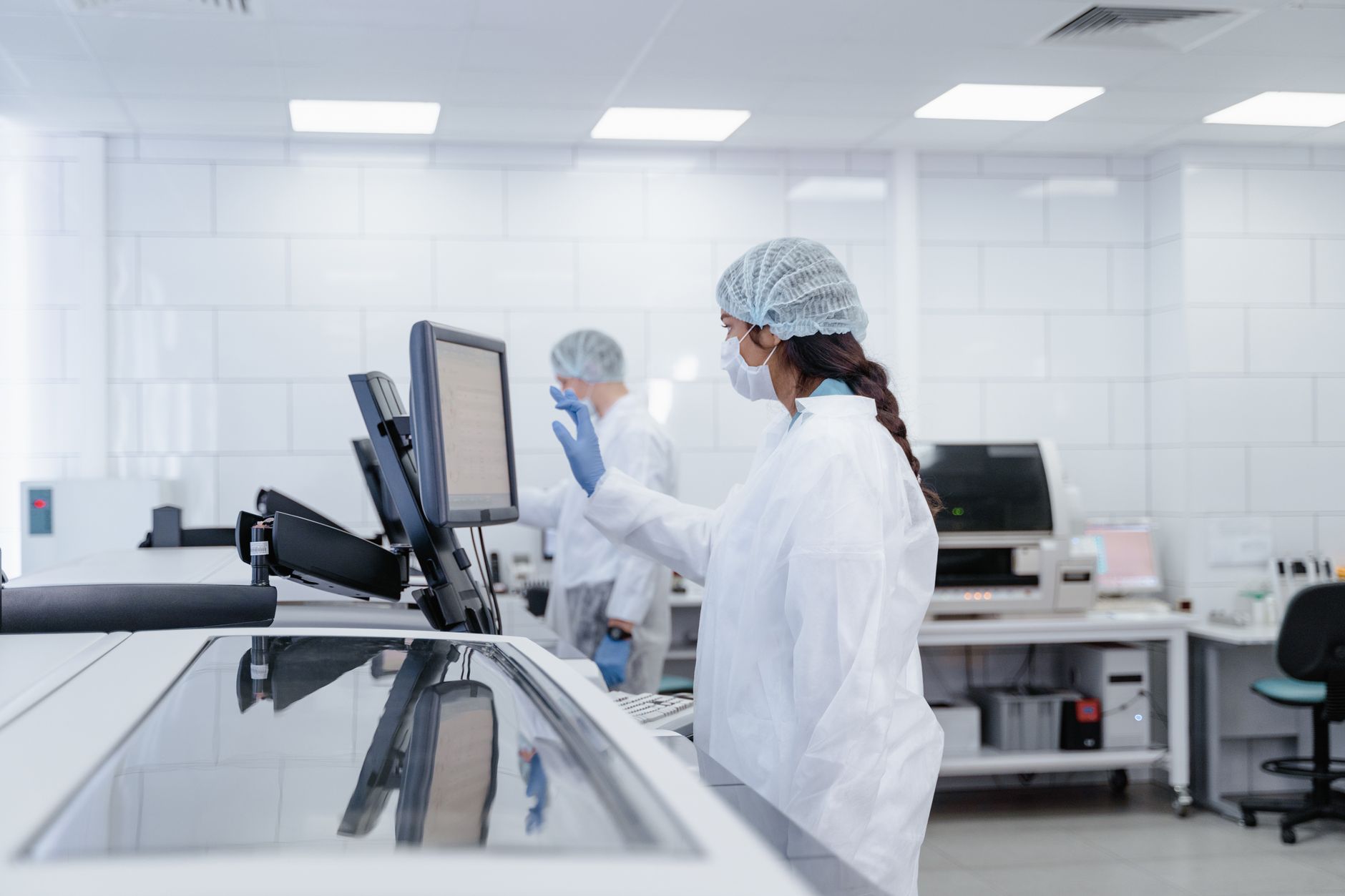
This academic medical center had been heavily dependent on outsourced IV preparations. After a series of events disrupted the supply chain, sterile compounding could no longer sit at arm's length. The operation needed more control over how doses were prepared and supplied.
The team also identified weak points in its internal IV compounding process, including wrong product selection, incorrect volume added, omitted ingredients, and missing checks. In sterile pharmacy work, those are not small defects. They sit inside the core safety and quality burden of the operation.
- Outsourcing disruptions pushed the pharmacy toward insourcing
- Manual process gaps created exposure to selection, volume, and omission errors
- The operation needed tighter control over dose preparation quality and supply continuity
Building An Automated Sterile Compounding Program
The pharmacy did not frame this as a narrow fix for one preparation type. It set out to adopt a complete automation system for all types of preparation across patient populations, using robotic compounding for non-hazardous work, robotic compounding for hazardous work, and workflow automation around the process.
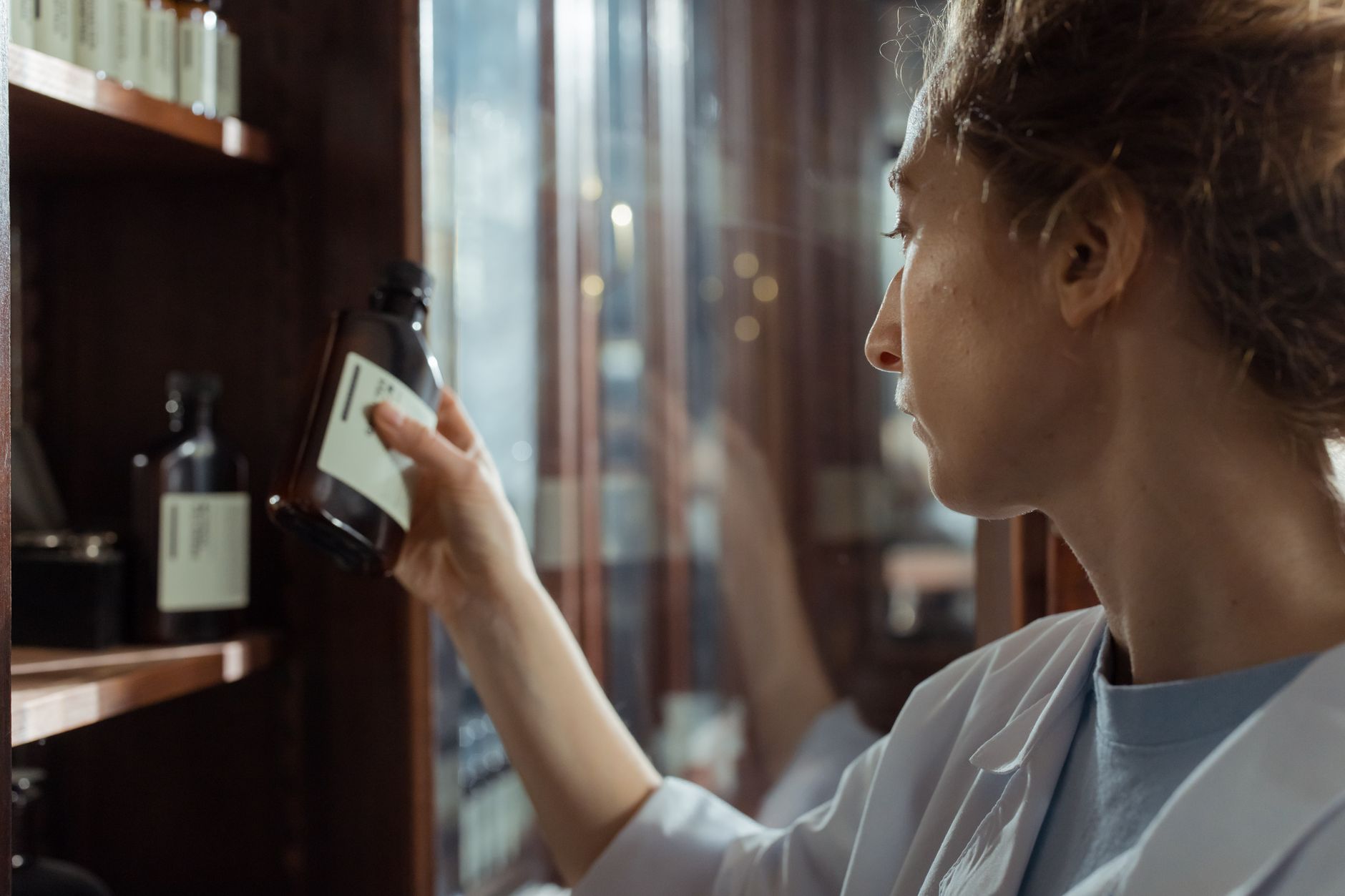
The safety architecture focused on replacing human decision points with automated checks. The published account highlights barcode verification, digital image capture, and gravimetric checks as the three key safety elements behind the operating model.
- Adopt robotic compounding for non-hazardous sterile IV preparations
- Extend robotic compounding to hazardous preparations
- Add workflow automation with barcode verification, digital image capture, and gravimetric checks
High Volume, With The Quality Signal Intact
The published case study reports 455,000+ doses processed with 100% error-free and 100% contamination-free results. That outcome is compelling because it joins throughput and sterility in the same sentence, rather than treating them as competing goals.
The same source says 100% of ingredients were scanned, touch contamination risk fell by more than 90%, and 100% of doses were gravimetrically verified. It also credits the program with extended beyond-use dating and regained control over IV prep supply chain.
What This Means For US Healthcare Operators
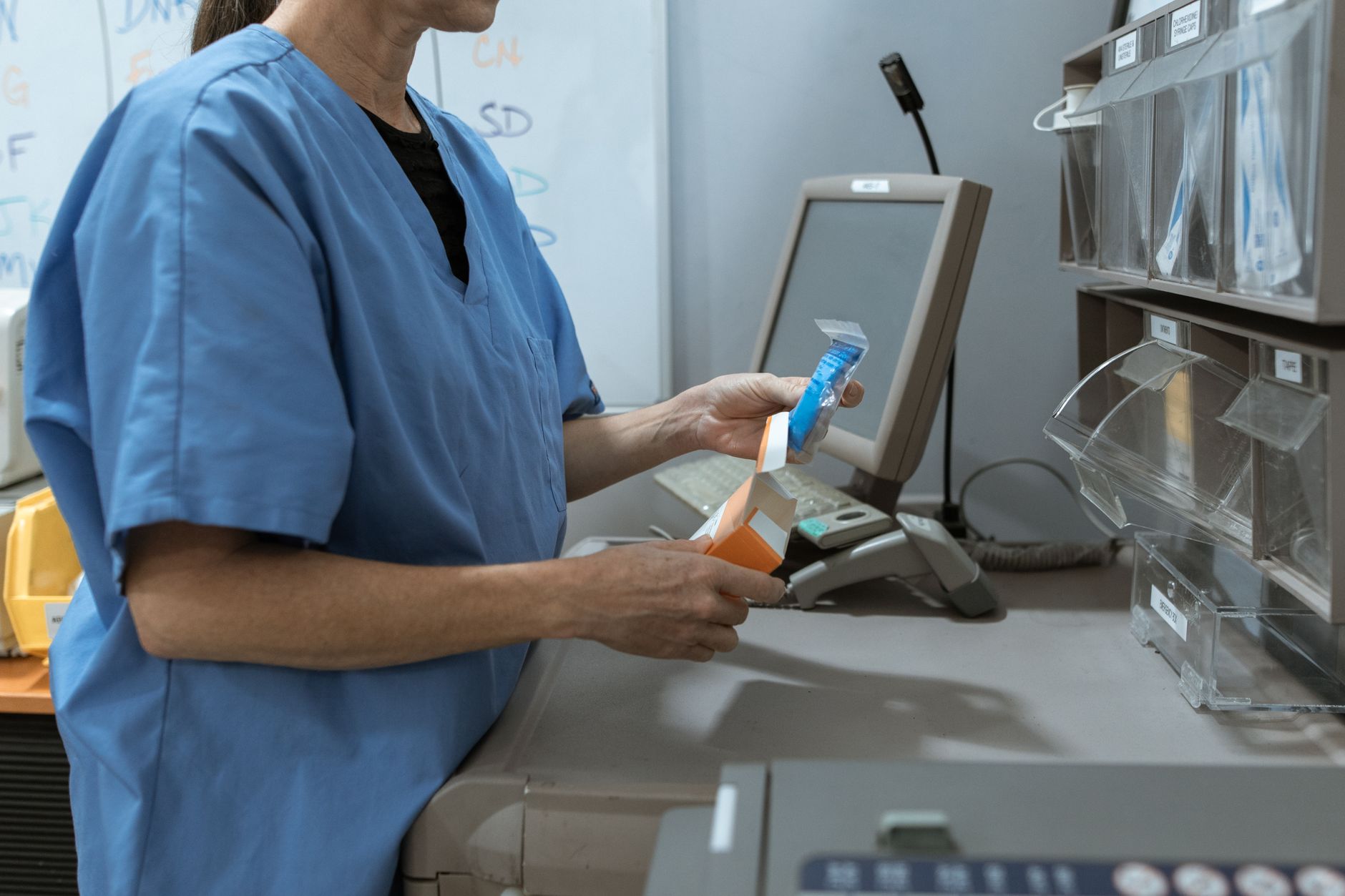
This is not a Service Robot Co. deployment. It is a documented market example that shows what healthcare buyers should prize in an IV compounding robot program: strong dose volume, disciplined quality assurance, and a firmer supply posture when outsourced preparation becomes unstable.
Service Robot Co. is a full-service, OEM-neutral commercial robot integrator for US businesses. We act as a vendor neutral robot integrator, selecting the right robots across manufacturers, then handling purchase or lease evaluation, robot leasing for business, monthly payment programs, robot deployment and integration, training, RoboCare™ service, remote triage, and on-site dispatch through one partner one number support.