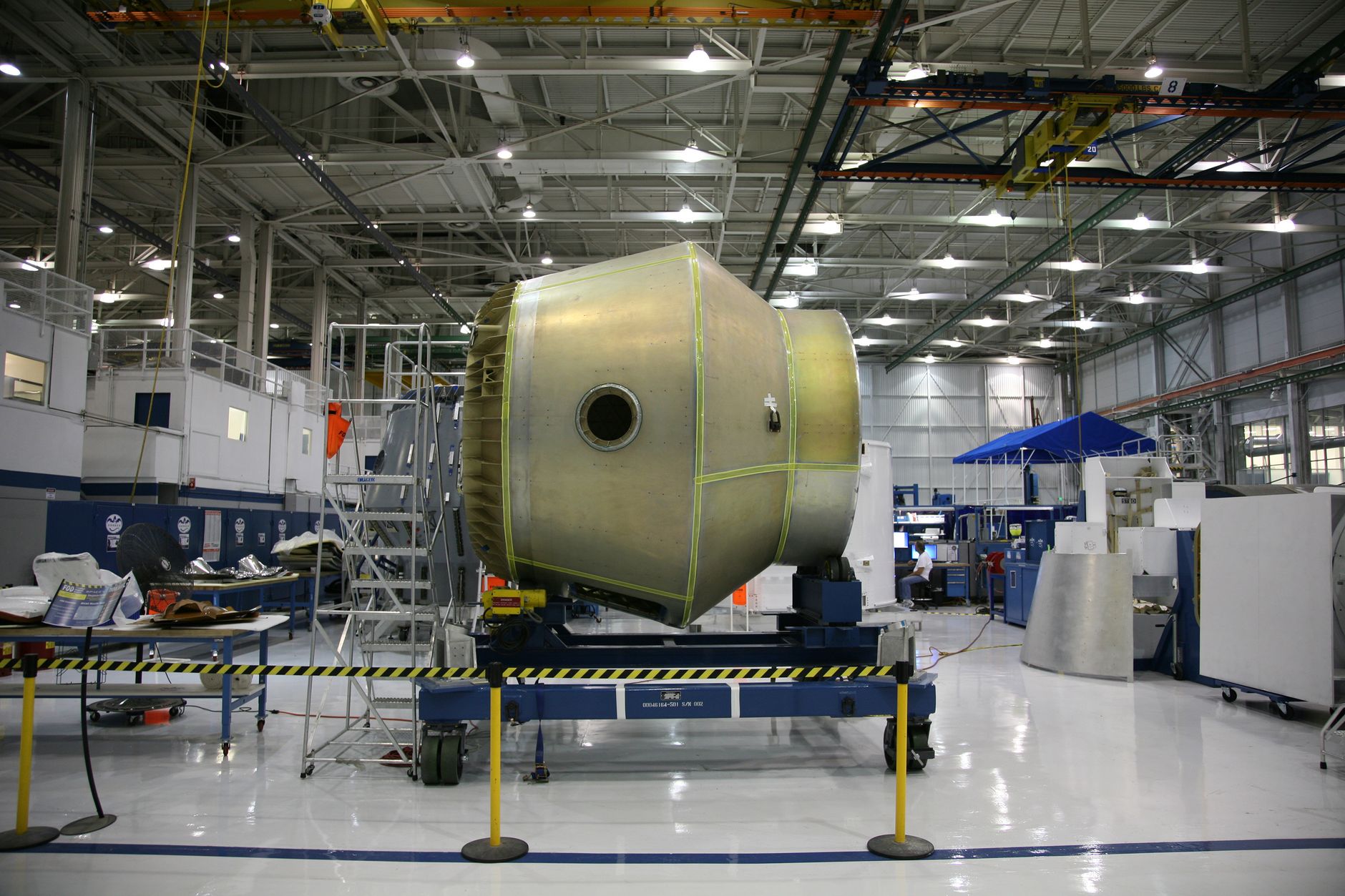
an aerospace components supplier with high-mix assembly requirements
How Vision-Guided Nutplate Assembly Cut Cycle Time 40%
An anonymized aerospace supplier used three vision-guided robots to install nutplates, cutting cycle time from 65 to 39 seconds at 97% consistency with one operator.
- 40%
- Faster cycle
- 39 sec
- Per part
- 97%
- Consistency
- 3→1
- Operators
Based on a documented real-world deployment. Figures are from public reporting; the organization is not named.
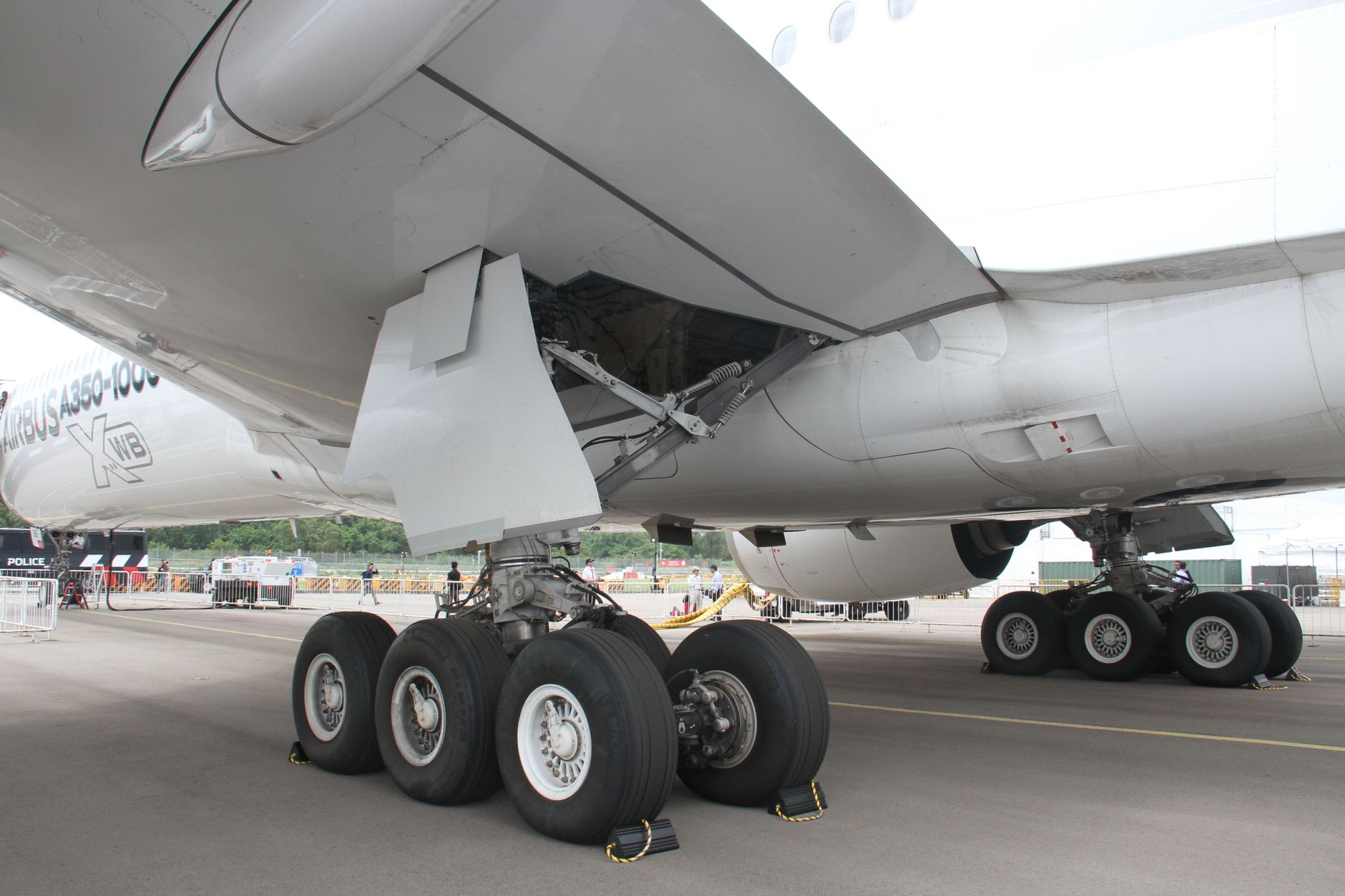
Certified hands on irregular parts
An aerospace components supplier with high-mix assembly requirements installs nutplates that hold external skin to frame, with more than two hundred part variations and strict rivet height rules. Every operator needed intensive certification per style and live documentation, yet rivet shaving still drifted.
The work was tedious enough to drive retention problems while quality audits stayed unforgiving. Low volume made fixed automation look risky, but manual nutplate runs could not keep pace with cost targets.
- 200+ nutplate variations
- Manual rivet height control
- Heavy training burden
Three-arm vision-guided cell
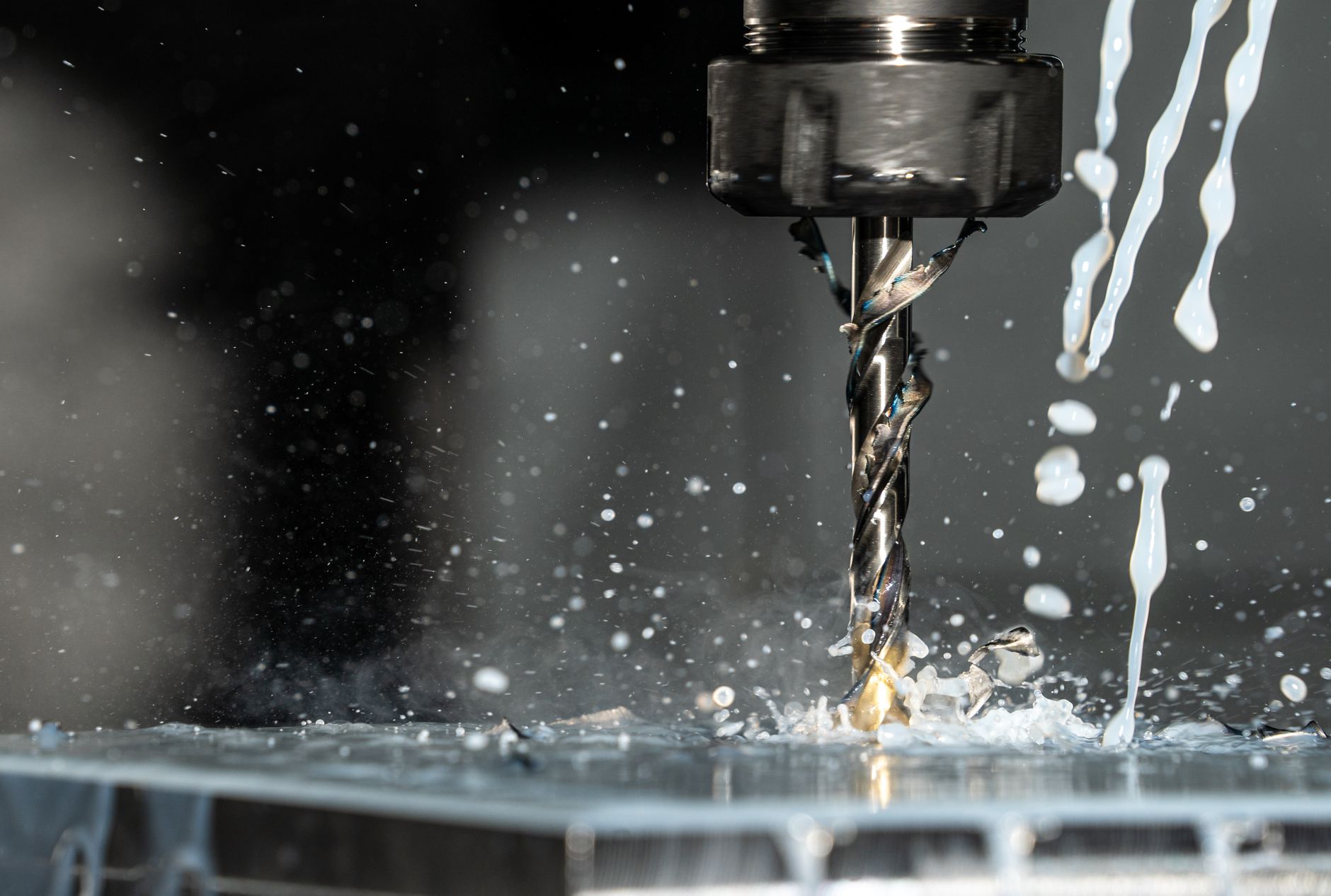
Integrators built a coordinated cell where three industrial arms drill, pick rivets, verify nutplate type, apply sealant, marry tooling heads, and crimp in one flow. Three-dimensional vision scans distinctive part features so each style aligns before holes are drilled and countersunk.
Cameras confirm nutplate type among twenty-eight configurations and check sealant before and after dispense. The arms share tight positional handoffs so rivet installation and crimping complete without collisions across two pitch settings.
- 3D feature scan for alignment
- Vision ID for 225 part styles
- Sealant verify before install
Documented line outcomes
Cycle time fell from about 65 seconds to 39 seconds per completed part, a 26 second reduction on a fully finished assembly with no extra work-in-progress stations. Operator count dropped from three to one while the cell holds about 97 percent consistency after the first year of production.
Rivet height control moved out of manual shaving into the automated crimp sequence, which cut both rework risk and the documentation load that certification had required on every shift.
What aerospace suppliers can take away
Aerospace favors manual craft when volumes look too small for automation, yet high-mix nutplate work still punishes shops with training cost and inconsistency.
Service Robot Co. did not build this cell. We help US tier suppliers pick vendor-neutral vision-guided assembly robots, finance through cobot rental or fixed cells, integrate sealing and drilling tooling, train quality staff, and service the line nationwide. A phased deployment no shutdown pilot on one bracket family can prove cycle and consistency before you scale.