a precision jet-engine components plant in the Northeast
How an Aerospace Plant Stabilized Deburring at a Two Minute Cycle
A jet-engine components plant replaced manual deburring with a force-controlled robot cell that hit about a two minute cycle per part and steadier quality.
- 2 min
- Per part
- 100%
- Quality bar
- Drawer
- Batch feed
- Force
- Controlled
Based on a documented real-world deployment. Figures are from public reporting; the organization is not named.
Manual deburring could not keep a hot program on pace
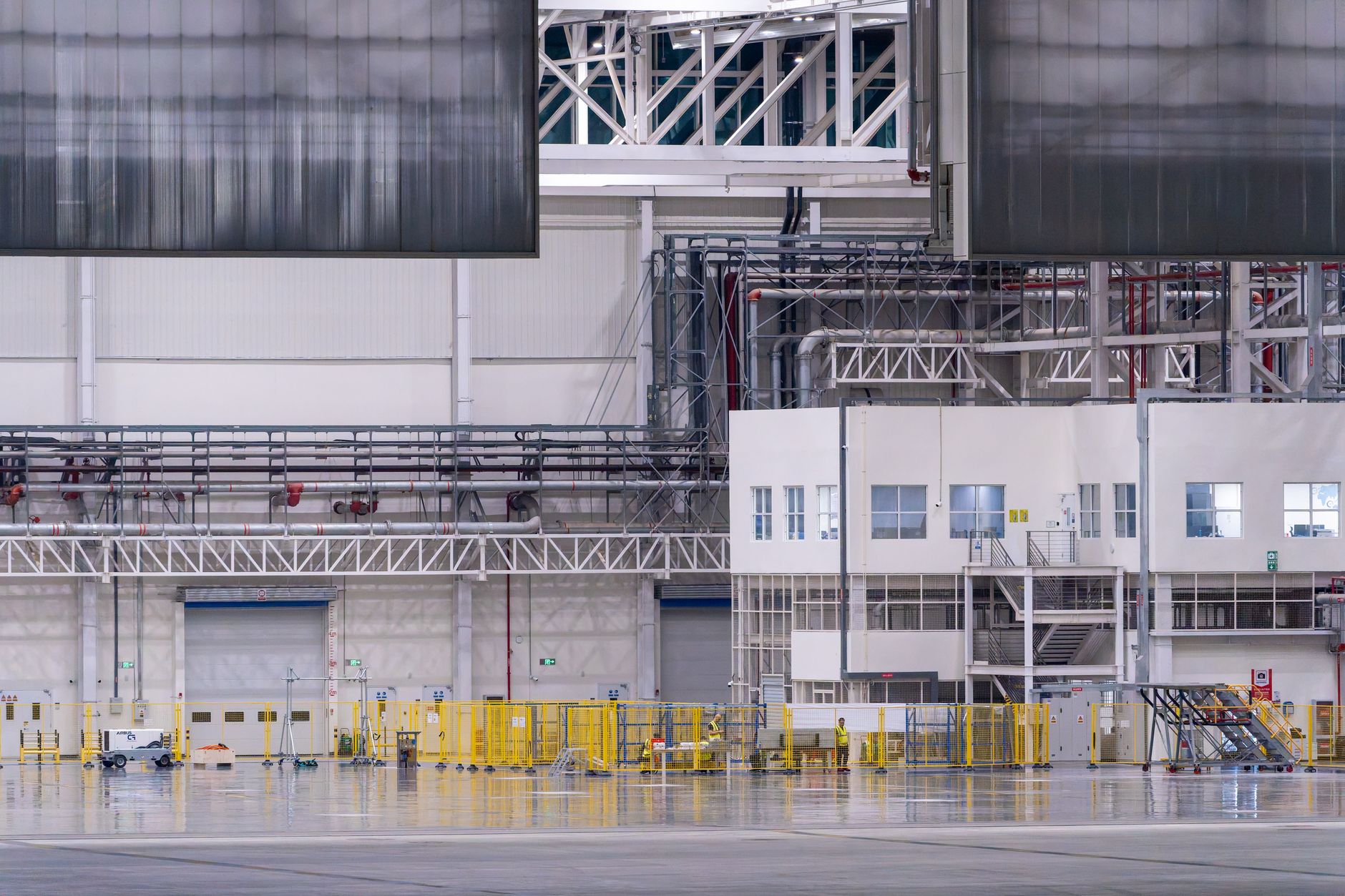
A precision jet-engine components plant in the Northeast runs programs where every part must pass full quality checks before it ships. Deburring on one high volume line depended on skilled hands, and throughput rose and fell with who was on the bench.
Variability in manual finishing drove rework and made cycle time hard to promise. Leadership needed a repeatable cell that could hold a tight per part clock without adding another craft role on every shift.
- Labor intensive deburring on a high volume program
- Inconsistent manual finishes triggered rework
- Site requires one hundred percent quality output
- Cycle time targets were hard to hold by hand
A drawer fed cell with force controlled material removal
Integrators mapped the manual steps, then built a cart based robotic deburring cell. Operators load trays of raw parts into a mini drawer system. The robot handles parts across multiple deburring stations and returns finished pieces to the same trays.
A force sensor guides contact pressure while vision tracks abrasive wear and triggers tool changes based on actual use, not a fixed timer. Programmable force, spindle speed, and motion let engineers tune each surface without rebuilding the line.
- Document manual deburring paths and quality gates
- Simulate robot motions before site install
- Run factory acceptance on cycle and uptime targets
- Train operators on drawer loading and HMI screens
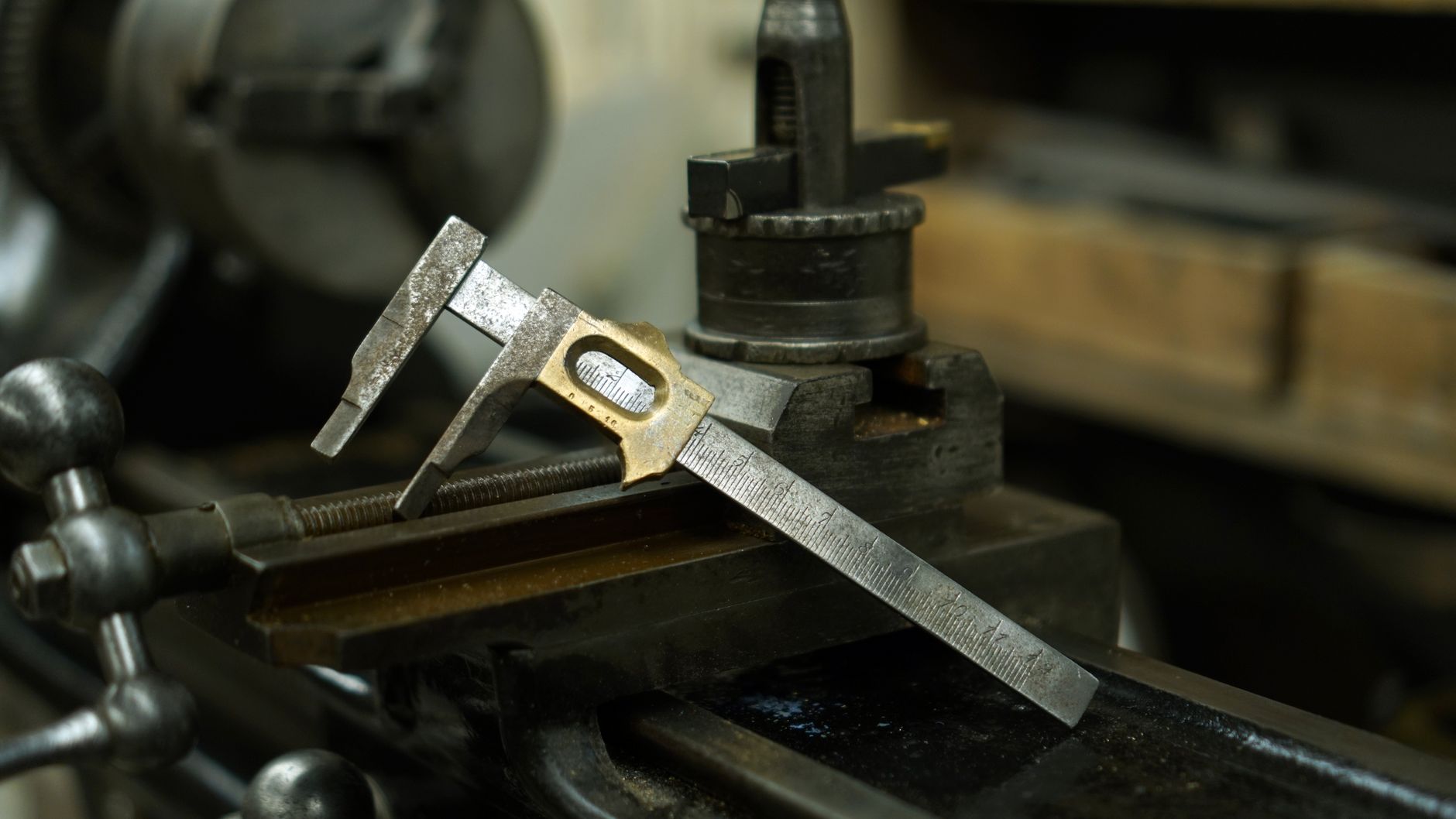
Throughput steadied near a two minute part cycle
The robotic cell met a targeted cycle time of about two minutes per part, giving production a predictable deburring rate on the program. Manual dependency dropped on a process that had been skill heavy and hard to staff.
Force controlled passes and vision monitored abrasives cut finish variability compared with hand work. Multiple deburring stations can swap media during runs so high volume output does not pause for every tool change.
What aerospace and precision shops can plan for
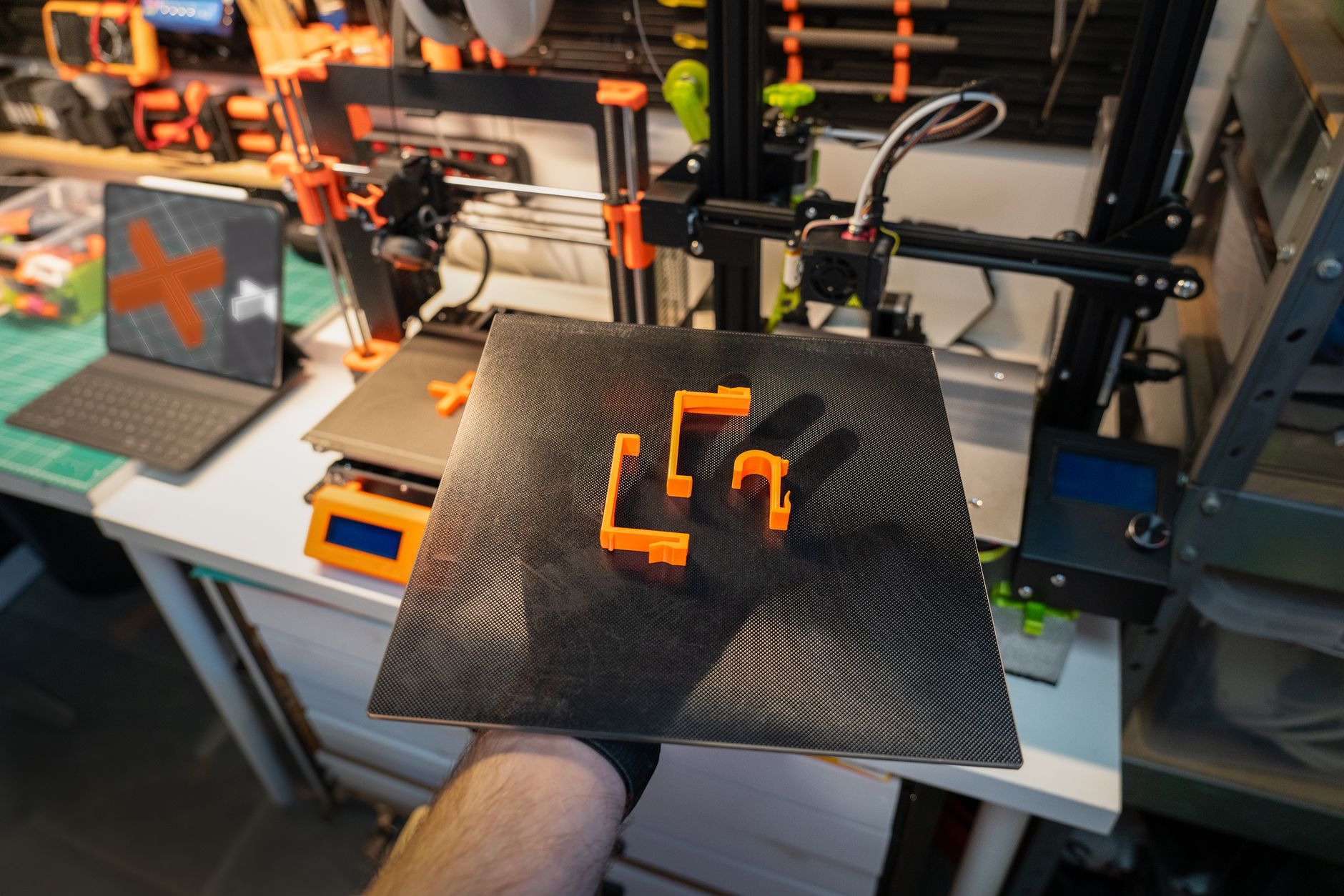
When a finishing step gates an entire jet engine supply line, robots earn their keep by holding cycle time and repeatability. A vendor neutral integrator can pair force controlled deburring arms with your fixtures, then finance, deploy, and service them through regional engineers in all fifty states.
Month to month robot lease or a pilot on one cell lets you prove the two minute clock before you robotize every bench. Service Robot Co. runs site assessments, trains operators, and keeps one number for integration and emergency dispatch.