
a Pacific Northwest aerospace-parts manufacturer
Aerospace Cobot Cell Doubles Output and Cuts Scrap to 3%
See how a Pacific Northwest aerospace-parts manufacturer doubled daily output, cut scrap from 15% to 3%, and reduced a four-person cell to one.
- 2x
- Daily output
- 400/day
- Units produced
- 4 to 1
- Operators required
- 15% to 3%
- Scrap rate
Based on a documented real-world deployment. Figures are from public reporting; the organization is not named.
Narrow Tolerances, Costly Variability
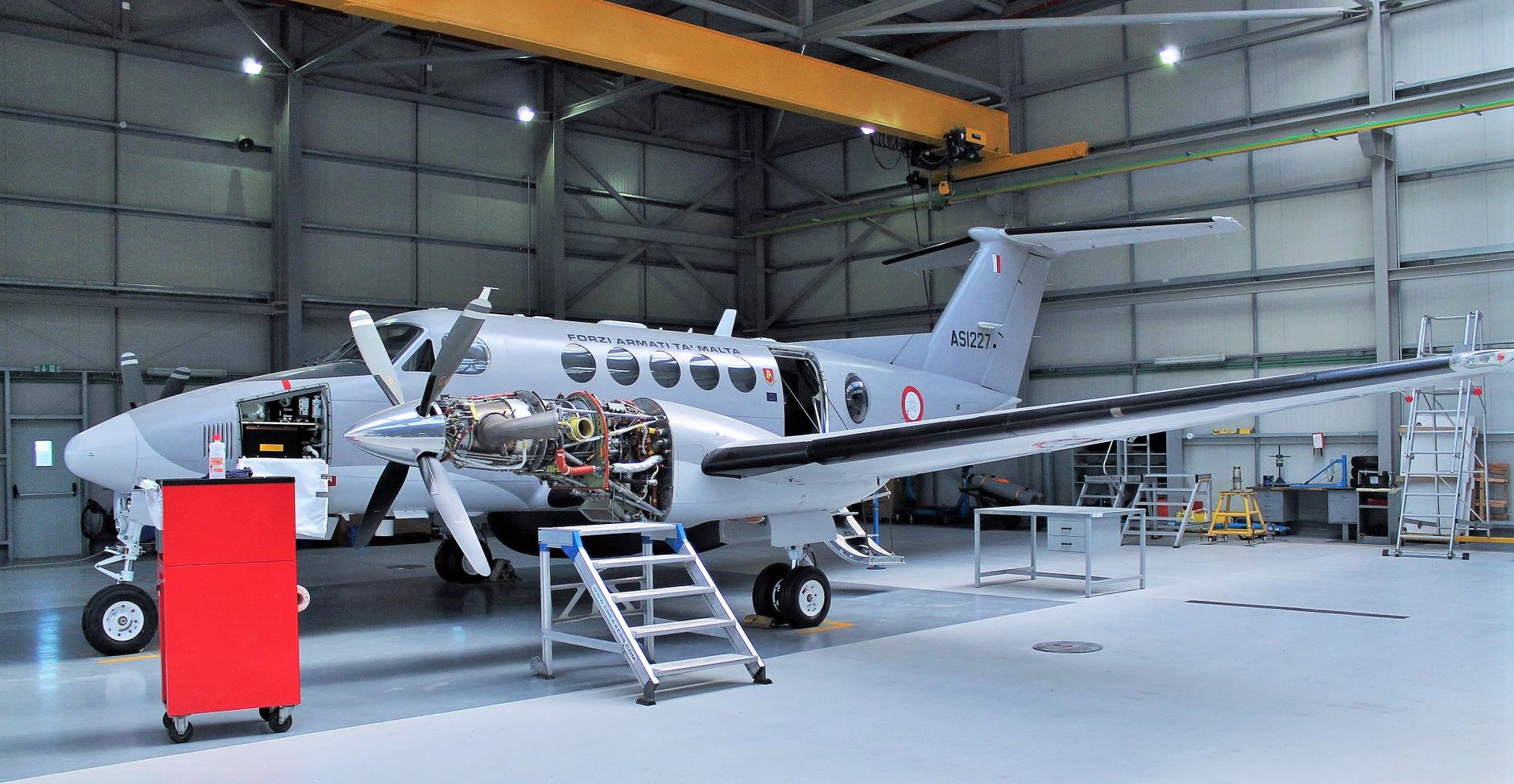
Adhesive dispensing demanded a precise path across a complex, narrow surface. Done by hand, the work caused operator fatigue, raised ergonomic concerns, and made consistent application difficult.
The manual process tied up four people yet produced only about 200 units per day. Scrap stood at 15%, turning a repetitive assembly step into a persistent constraint on labor, quality, and capacity.
Machine tending created a second drag on skilled labor. A machinist had to leave higher-value setup and programming work to collect delicate parts, then clean, rinse, dry, and box them.
- Manual dispensing depended on steady, repetitive hand motion
- Skilled labor was absorbed by routine part handling
- Scrap and limited throughput weakened the economics of the process
A Focused Cell With Human Inspection
The manufacturer selected collaborative arms for configurable operation, a compact floor presence, and movement between applications. Two cobots were introduced across the plastic and metal departments, targeting dispensing and machine tending rather than attempting broad factory automation at once.
In the adhesive cell, the cobot picked up end caps, carried them through a dispenser, and placed each part into an actuator for clamping. One operator retained the judgment-intensive work, inspecting the adhesive application and removing the completed part.
The machine tending robot responded to a proximity sensor, collected each machined component, moved it through rinsing and drying, and placed it into an open box cell. The published account does not specify a formal phased rollout calendar, training curriculum, or service arrangement, although it reports that an engineer with minimal prior robotics experience could program the equipment through its graphical interface.
- Choose repetitive tasks with a clear motion path and measurable quality losses
- Configure dispensing around the part geometry and adhesive process
- Keep inspection with the operator while automating repeatable handling
- Connect machine tending to sensors and downstream rinse, dry, and packing steps
More Good Parts From Far Less Manual Work

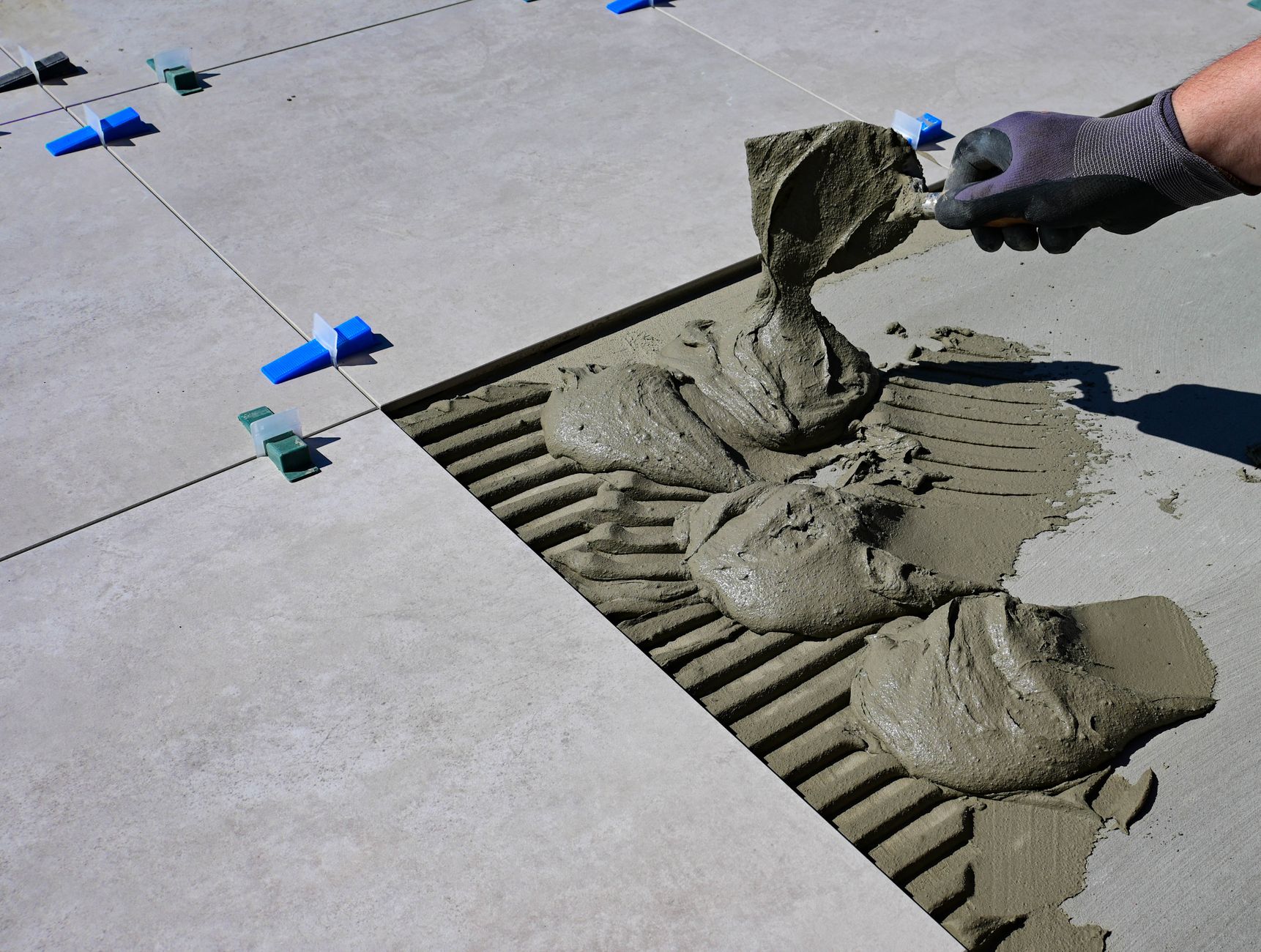
The dispensing cell moved from about 200 units per day with four operators to 400 units per day with one operator. Daily output doubled, while the operator requirement fell from four people to one.
Scrap dropped from 15% to 3%. The gain came from pairing repeatable adhesive placement with human inspection, tightening quality while expanding productive capacity.
Across the documented cobot applications, the manufacturer reported labor savings of up to 75%. Expected payback for both cobots was under a year, while skilled employees were redirected toward machine setup, programming, and other higher-value work.
The Integration Lesson for Aerospace Plants
This is a documented real-world example analyzed by Service Robot Co., not a deployment performed for our client. Its lesson is broader than the arm itself: tooling, sensing, part presentation, process sequencing, inspection, and operator ownership must work as one production cell.
Service Robot Co. is a full-service, OEM-neutral commercial robot integrator for US businesses. We select equipment across manufacturers, then finance, deploy, integrate, train, and service every unit through a nationwide US engineer network. It is one partner, one number across the operating lifecycle.
For teams comparing collaborative robot arm leasing, cobot leasing for manufacturing, or a financed purchase, the commercial structure should follow the process risk. A capable robot deployment and integration plan defines acceptance criteria, workforce training, go-live support, and the robot maintenance service plan before production depends on the cell.