a US Air Force maintenance group supporting C-17 aircraft
How a C-17 Maintenance Team Cut Inspection Time More Than 90%
A U.S. Air Force maintenance group replaced manual C-17 walkarounds with autonomous drones and cut inspection time more than 90%. See what MRO teams can borrow.
- >90%
- Time cut
- C-17
- Aircraft
- 1st
- AF program
- sUAS
- Inspection
Based on a documented real-world deployment. Figures are from public reporting; the organization is not named.
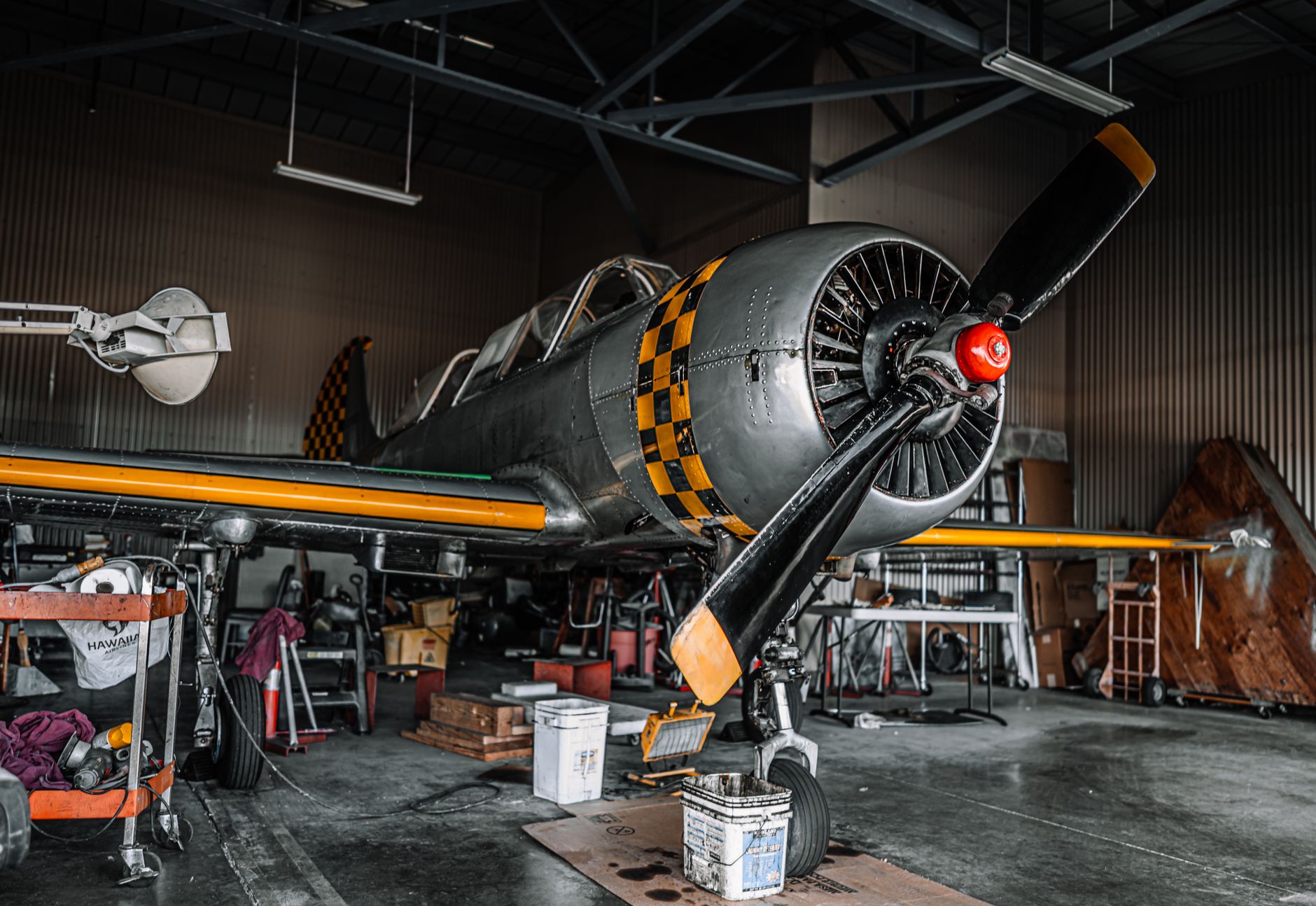
Large aircraft inspections that ate the day
A US Air Force maintenance group supporting C-17 aircraft relied on manual access routines to inspect huge surfaces and hard to reach areas on the Globemaster. Climbs, lifts, and repeated walkarounds stretched schedules whenever jets needed a tight turnaround.
The unit wanted repeatable imagery and faster cycles without adding headcount every time airlift demand spiked. Legacy methods were proven, but they did not scale when multiple aircraft needed attention in the same window.
- Manual access around a wide body transport
- Long inspection cycles on maintenance calendars
- Pressure to modernize without losing airworthiness discipline
Autonomous drones inside the inspection program
The maintenance group stood up what the published account describes as the Air Force's first drone based inspection program, using small autonomous aircraft to capture consistent views of the airframe. Pilots flew structured passes while onboard autonomy handled obstacle avoidance and navigation tasks that are awkward on a crowded flight line.
Thermal and high resolution cameras let inspectors review detail from the ground instead of repositioning ladders and lifts at every panel. The workflow stayed inside existing maintenance governance while the capture step moved to the aircraft.
- Define inspection routes per aircraft type
- Capture imagery with autonomous small UAS
- Review defects from the maintenance office
- Keep human sign off on airworthiness decisions
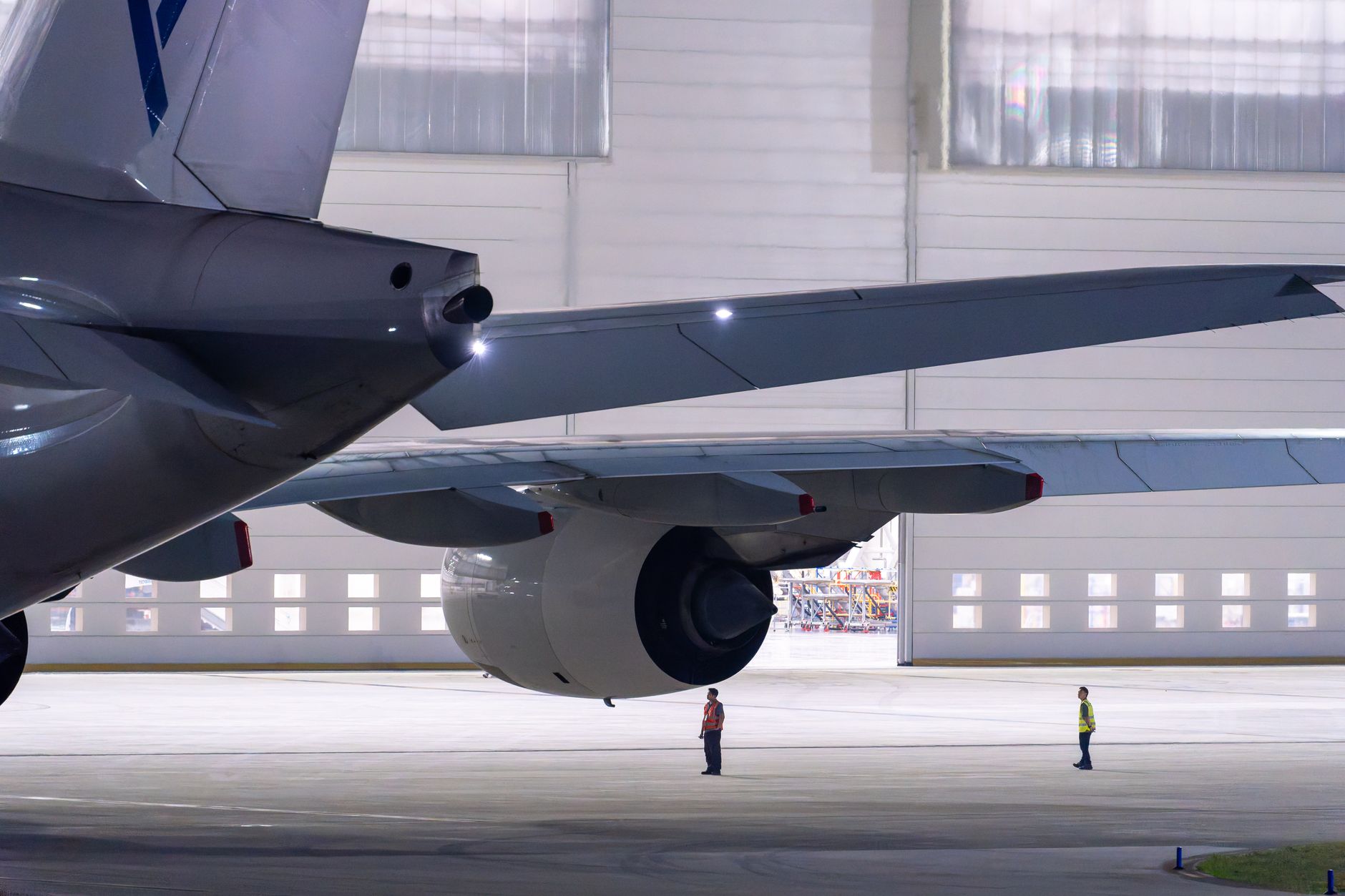
More than ninety percent less time on C-17 inspections
The published Air Force maintenance account reported C-17 inspection times decreased by more than 90 percent after the drone workflow went live. That is the headline outcome the group cited when describing aircraft inspection modernization.
Inspectors still own the call on what is airworthy, but the data gathering step shrank enough to free hours back to the flight line. The same autonomy stack is also used elsewhere in the service for security and EOD missions, which shows how one platform can span roles.
What commercial MRO and air cargo operators can borrow
Service Robot Co. did not run this military program. We study verified public results so civil operators can compare inspection robot rental and purchase paths before they commit. The lesson is familiar to our vendor neutral integrator role: pick the right autonomous aircraft, finance it, train inspectors, integrate imagery into your workflow, and keep it flying through a nationwide network of regional service engineers.
If your hangar still schedules full manual walkarounds on every check, a robot pilot program with month to month leasing can prove cycle time on one tail number first. Free site assessment, go live support, and maintenance plans belong in the same contract when you want one partner and one number.