
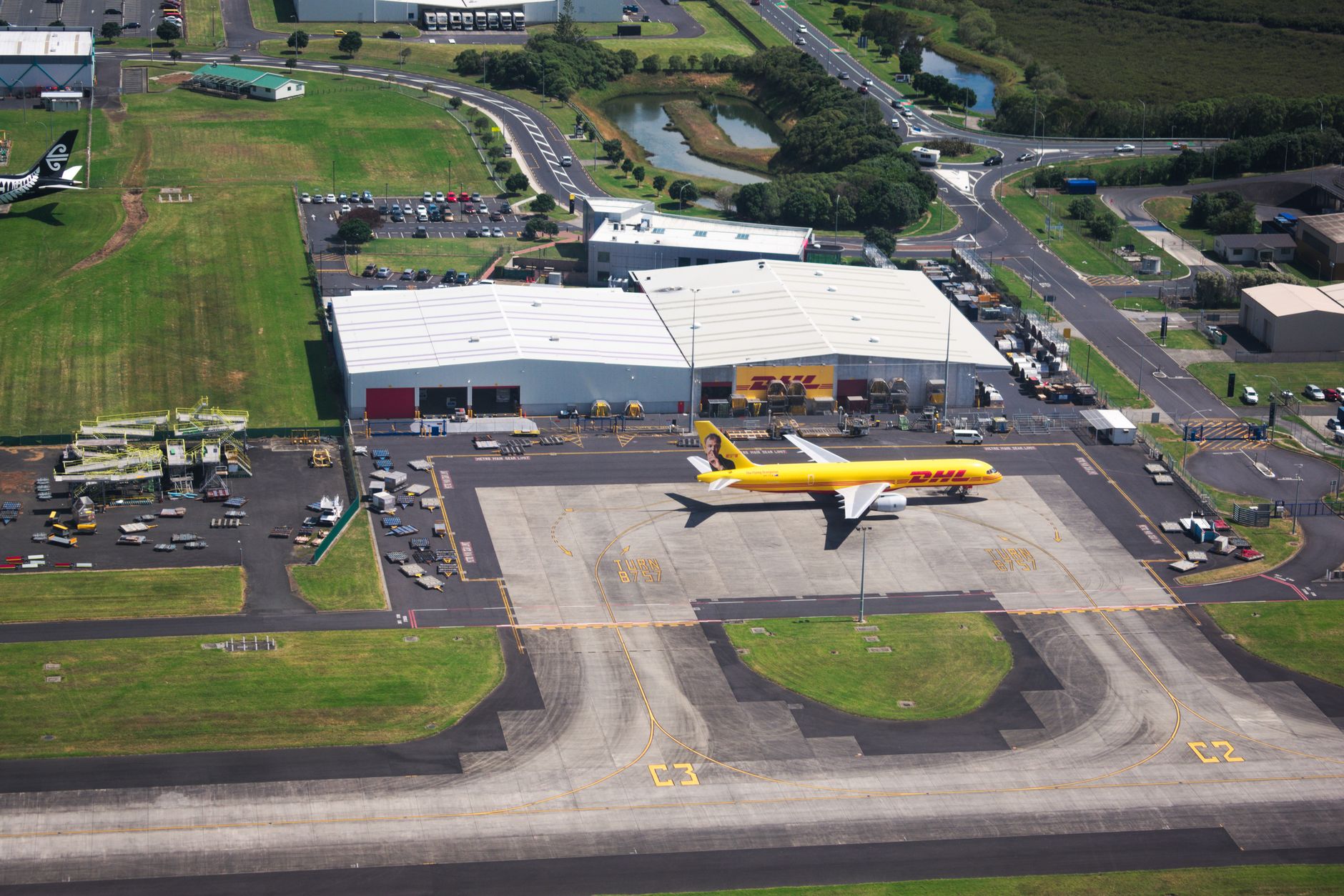
a bonded cargo warehouse at a major European airport
Air Cargo Inventory Robot Saves 20 Hours Each Week
See how daily autonomous inventory checks saved 20 hours each week and cut cargo search work by three hours per day at a bonded airport warehouse.
- 20 hrs
- inventory time saved weekly
- 3 hrs
- cargo search time saved daily
- 74
- cargo locations in rollout network
Based on a documented real-world deployment. Figures are from public reporting; the organization is not named.
When the inventory record lagged the freight
A bonded cargo warehouse must know what is on hand, where it sits and how much space remains. Periodic manual checks left blind spots between audits, so the operating picture could age while freight kept moving.
Finding a shipment became a second drain on labor. Colleagues were spending three hours each day locating cargo, while recurring inventory work consumed another 20 hours each week.
- Inventory visibility weakened between manual checks.
- Cargo searches pulled colleagues away from freight handling.
- Capacity decisions depended on data that could fall behind warehouse activity.
From proof of concept to daily autonomous checks
The wider program began with a technology showcase in early 2022. Several proof of concepts moved forward, successful trials followed, and selected technologies entered rollout across a cargo network spanning 74 locations.
At the subject warehouse, an autonomous inventory robot began running daily checks. It supplied real-time data for measuring, tracking and finding goods, while volume trends gave the operation a clearer basis for using capacity.
The annual review does not describe the site's training curriculum, service arrangement or exact scan schedule within each day. Those details should not be inferred. What it does document is a gated path from selection through trial and into routine warehouse use.
- Screen candidate technologies against an operating need.
- Validate the workflow through a proof of concept and successful trial.
- Put the robot into daily inventory work at the selected facility.
- Use location and volume data to support cargo retrieval and capacity planning.

Measured time returned to the operation

Automated inventory checks saved colleagues 20 hours each week. That is the report's stated result for inventory work, not an estimate extrapolated across the broader network.
The warehouse also recovered a further three hours each day that had been spent locating cargo. The gain came from a current, searchable view of goods, while the same data helped the operation monitor volume trends and make better use of capacity.
The evidence supports a precise conclusion. Daily autonomous inventory can reclaim both counting time and search time, but the annual review does not publish a percentage accuracy gain, financial return or payback period.
A practical pattern for U.S. cargo operations
This is a documented real-world example that Service Robot Co. analyzes. Service Robot Co. did not run the deployment, and the bonded cargo warehouse remains anonymized throughout this study.
For a U.S. operator considering warehouse robot leasing or an autonomous mobile robot lease, the useful lesson is the deployment pattern: define the inventory gap, validate a robot pilot program, then connect daily scans to the systems and routines people already use.
Service Robot Co. is a full-service, OEM-neutral commercial robot integrator for U.S. businesses. We select equipment across manufacturers, arrange financing, handle robot deployment and integration, train the team, and provide a robot maintenance service plan through a nationwide U.S. engineer network. A single vendor covers the lifecycle, giving a robot integrator for warehouses an accountable path from site assessment to ongoing service.