
a U.S. international airport and adjacent pavement research center
Airfield Autonomy Reaches 99.55% Mission Success
See how a U.S. airport autonomy deployment completed 1,763 missions at 99.55% success, with zero safety issues across an eight-week field program.
- 99.55%
- mission success
- 1,763
- autonomous missions
- 0
- safety issues
- 100%
- steady-state success
Based on a documented real-world deployment. Figures are from public reporting; the organization is not named.
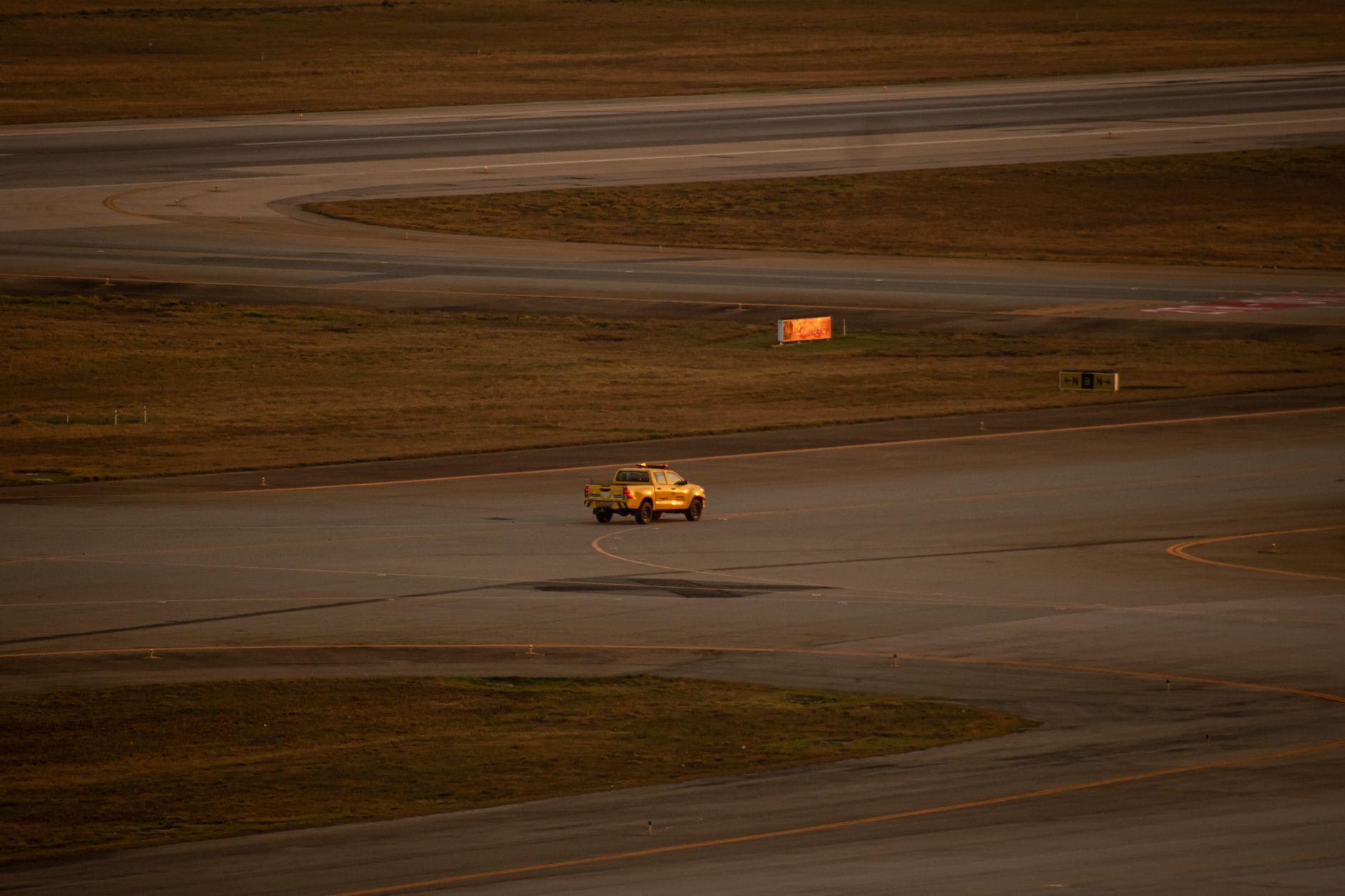
Three Airfield Duties, One Exacting Operating Environment
Perimeter patrol, foreign object debris sweeping, and grass cutting ordinarily demand different vehicles and operators. Bringing those duties under autonomous control meant coordinating dissimilar machines without compromising airfield discipline.
This was not a forgiving proving ground. Routes, operational boundaries, obstacles, weather, dispatch decisions, and human intervention all had to remain intelligible while the vehicles worked around safety-critical infrastructure.
The deeper challenge was orchestration. A useful amr fleet deployment had to do more than move individual vehicles. It needed shared scheduling, route control, status visibility, and an immediate path to human override.
- Coordinate perimeter patrol, foreign object debris sweeping, and grass cutting
- Keep each vehicle inside mapped and geofenced operating boundaries
- Give on-site and remote operators real-time supervision and override authority
- Preserve dependable operation during heavy rainfall and other inclement weather
A Phased Route From Task Selection to Daily Operations
The initiative began by defining the required airfield capabilities and soliciting proposals. Distinct autonomous vehicles were then selected for each duty and governed through a common command-and-control environment.
The rollout built on an earlier phase of the Airfield Autonomy Initiative. During the documented second phase, maps, mission paths, schedules, vehicle health, and coordination were brought into one cloud-based operating view. Pre-surveyed map attributes and live sensor data helped vehicles maintain their routes and recognize obstacles.
Safety controls were layered into normal operation. The vehicles used obstacle avoidance, geofencing, and emergency-stop functions, while on-site and remote personnel retained immediate override authority. The public account does not specify a formal training curriculum or maintenance contract, so neither should be inferred.
The resulting pattern resembles a disciplined commercial robot pilot program: select equipment by task, map the operating domain, introduce missions in phases, establish escalation roles, and evaluate performance under steady-state conditions.
- Define the operational tasks and evaluate task-fit vehicles
- Connect the fleet through shared scheduling, routing, and coordination
- Map routes, boundaries, stop conditions, and operator responsibilities
- Supervise missions locally and remotely while monitoring vehicle health
- Advance into steady-state daily operation after controlled field deployment
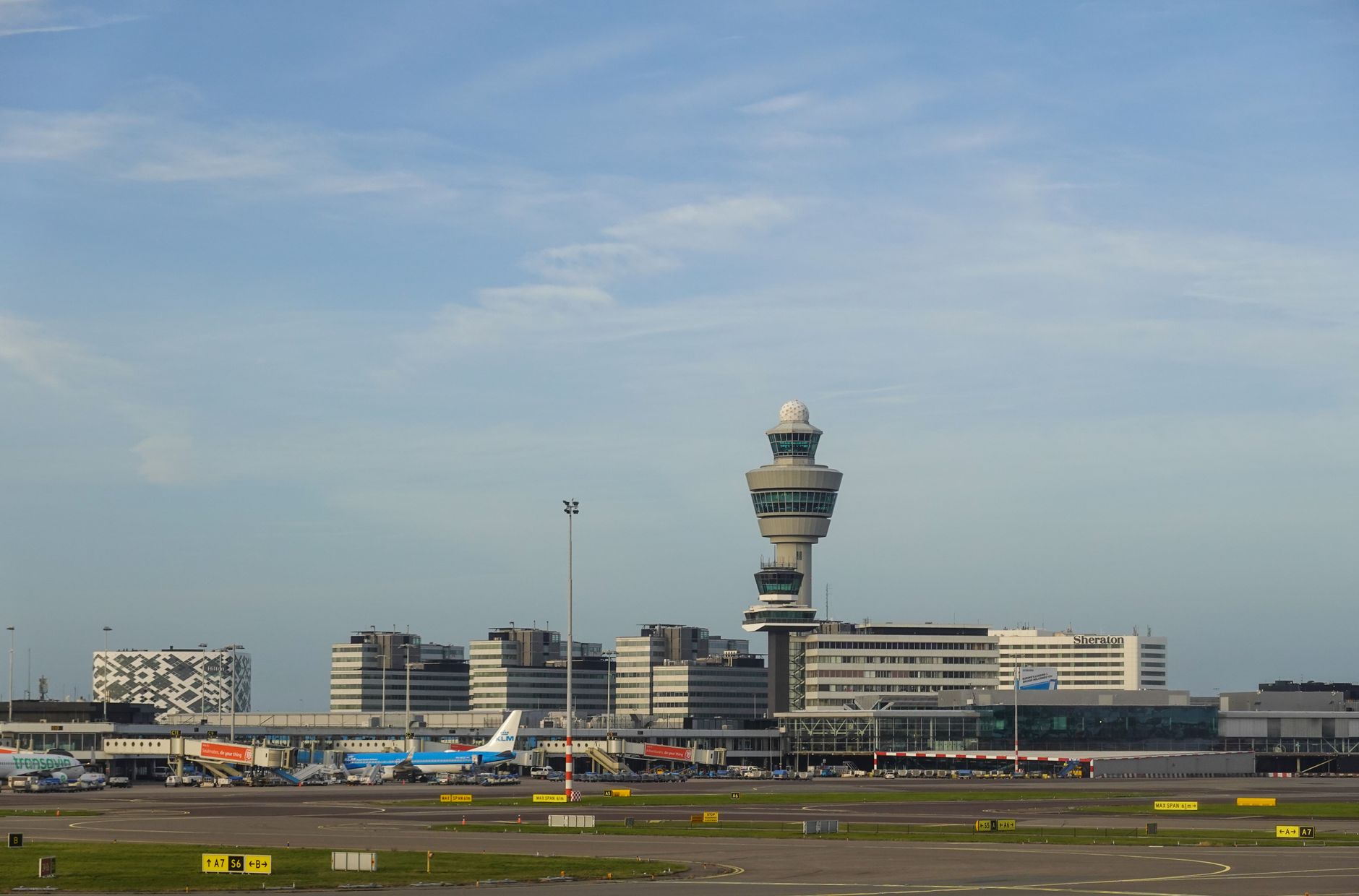
Measured Reliability Across Sustained Field Work
Across eight weeks, the vehicles completed 1,763 autonomous missions. The documented mission success rate was 99.55%, with zero safety issues reported.
Performance strengthened as operations settled into rhythm. During two weeks of steady-state daily work, mission success reached 100%.
The result is significant because it covered three materially different airfield duties under a common control structure. The deployment also maintained safe, error-free performance during inclement weather and demonstrated real-time coordination of the participating vehicles.
What This Evidence Means for Airport Operators
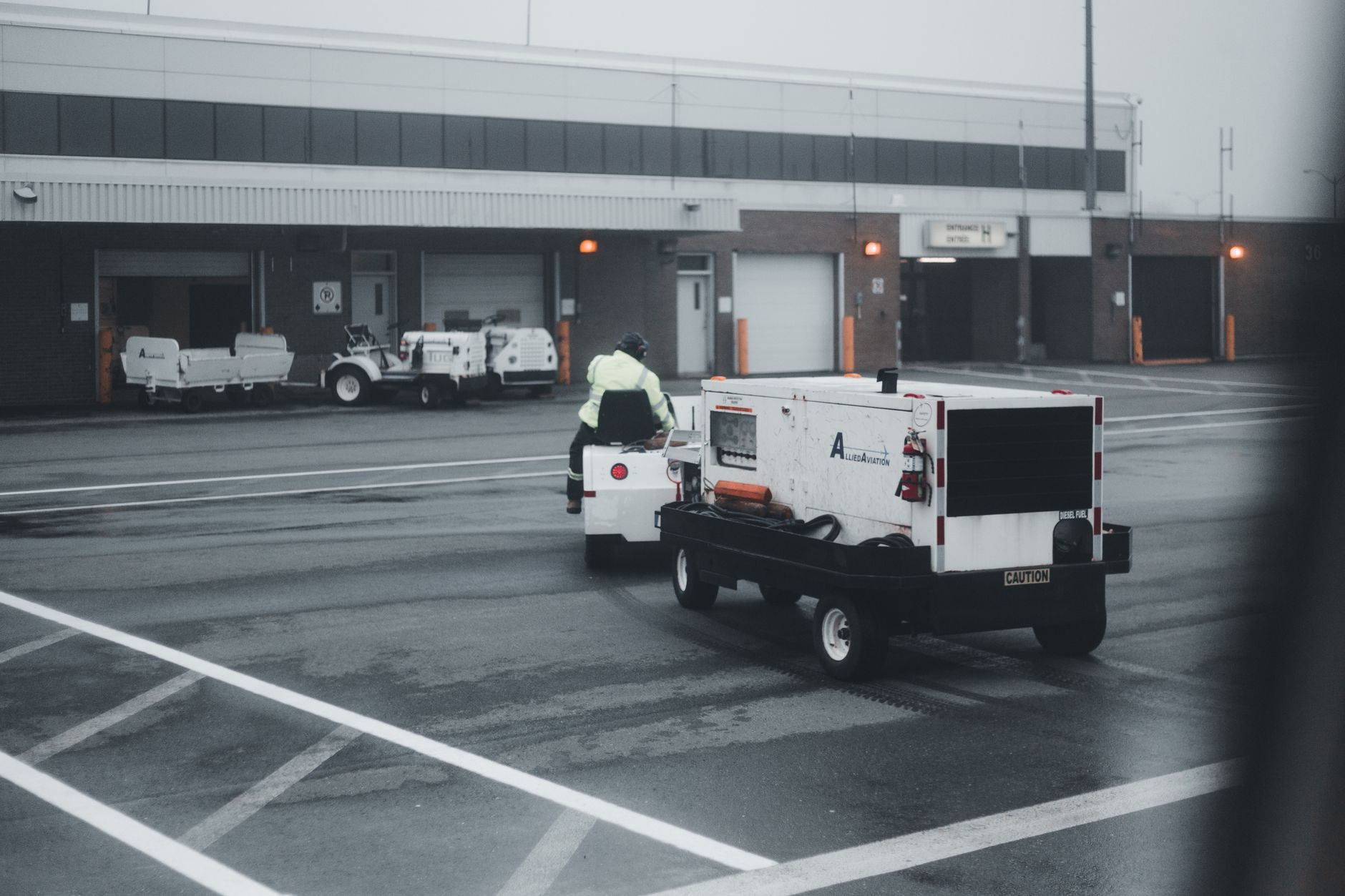
This documented deployment was not run by Service Robot Co. and is not presented as a client engagement. It is a real-world example that shows why airfield autonomy should be treated as an operational system, not a collection of disconnected machines.
Service Robot Co. is a full-service, OEM-neutral commercial robot integrator for U.S. businesses. We select equipment across manufacturers, arrange financing, perform robot deployment and integration, train personnel, and service each unit through a nationwide engineer network. One vendor supports the entire lifecycle.
For an airport considering an autonomous patrol robot, industrial floor sweeper, or broader robot fleet management program, that neutral position matters. Site assessment mapping, multi-vendor coordination, go-live support, remote triage, and on-site dispatch must fit the operating environment as closely as the vehicle does.
Commercial robot leasing, robot leasing for business, monthly payment programs, and purchase can also be evaluated against operational needs. The aim is a practical acquisition path with accountable support, maintenance planning, and one partner, one number when the fleet needs attention.