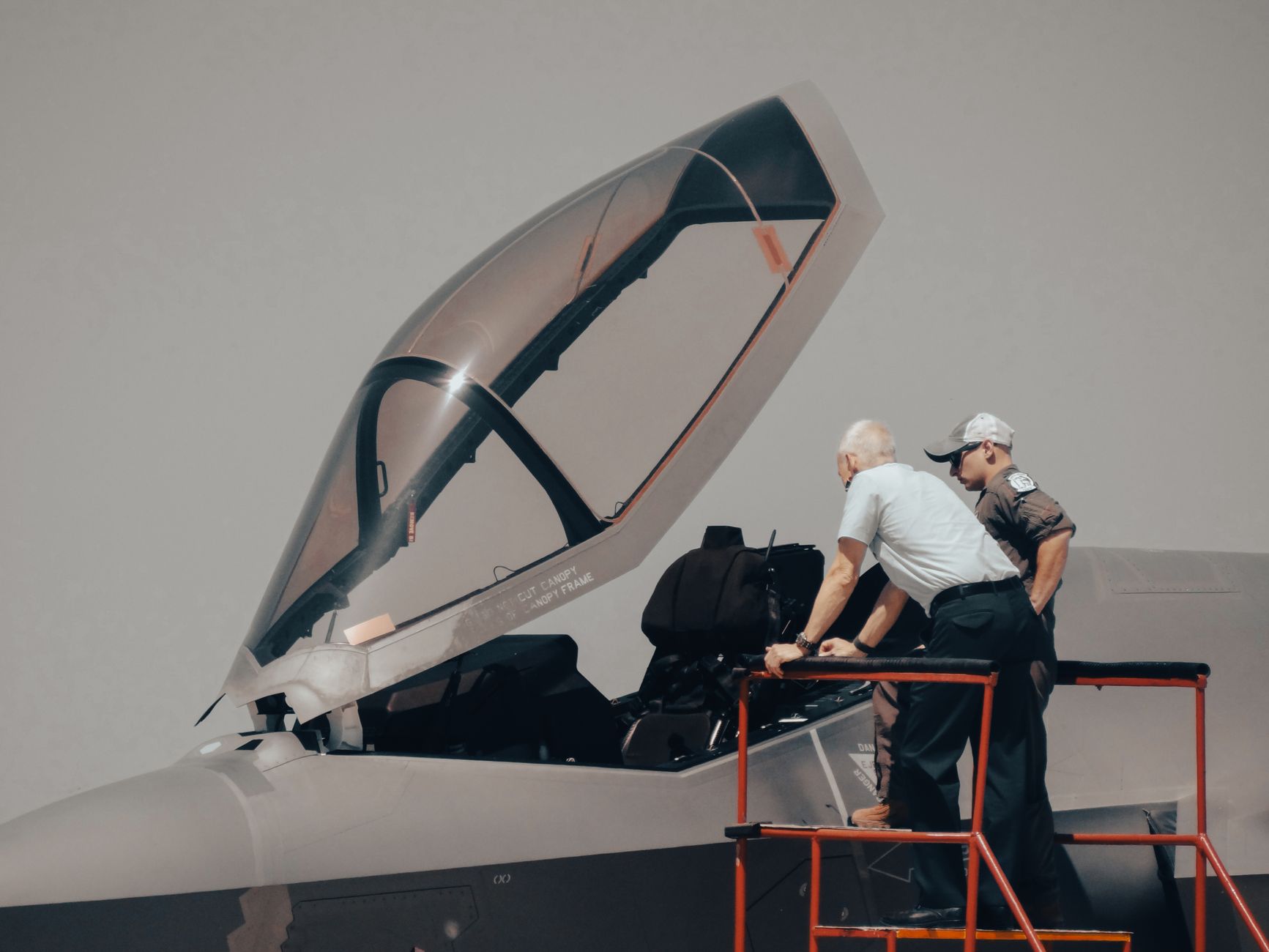
a European airline maintenance operation
Aviation MRO Case Study: 75% Faster Wing Inspections
A European airline maintenance operation cut wing inspection workflow time by 75% and improved accuracy 5x with an autonomous inspection drone.
- 75%
- Faster inspections
- 5x
- Greater accuracy
- 15 min
- Both wings captured
- 50 photos
- High-quality image set
Based on a documented real-world deployment. Figures are from public reporting; the organization is not named.
Why Manual Checks Were Dragging
This maintenance operation had a recurring paint-peeling inspection problem on composite wing surfaces. The work mattered for tracking damage progression and deciding when temporary high-speed tape was no longer enough, but the manual method was slow and uneven.
A mechanic spent about 60 minutes in a cherry-picker taking photos, then the engineering team spent another 120 minutes building a report from those images. Because the pictures varied in angle, distance, and exposure, the record was hard to compare over time.
- About 60 minutes of cherry-picker photography per inspection
- About 120 minutes of report preparation after the photos were taken
- Inconsistent images made paint progression harder to document cleanly
How The Drone Workflow Was Brought In

The team first translated the traditional task card into a digital one. Instead of climbing above the wing and manually collecting photos, the mechanic unboxed the drone, started the automated flight, and uploaded the image set to a portal.
Early trials focused on repeatability. The aircraft path had to hold a consistent speed and distance so the inspection produced the same kind of imagery every time, which is what makes automated review and side-by-side comparison useful in a maintenance setting.
After the validation trials, the workflow was pushed into daily operations with procedures, guidelines, mechanic training, and a dedicated place for the equipment in the warehouse.
- Translate the manual task card into a digital drone path
- Validate speed and accuracy through human-versus-drone trials
- Use a portal to review findings, share them, and generate reports
- Set procedures, train mechanics, and give the equipment a home in the warehouse
What Changed In The Numbers
The manual workflow took about 60 minutes for image capture and 120 minutes for reporting. The automated workflow cut that to 5 minutes of setup, 15 minutes to inspect both wings, and 15 minutes for reporting.
Speed was only half the story. In the validation trials, the manual process estimated tape size at 0.35 m2, while the drone workflow estimated 1.7 m2 against an actual tape size of 1.88 m2. The documented outcome was 75% faster inspections and 5x greater accuracy.
The image set itself was more usable. Each drone inspection captured 50 high-quality photos of both wings on a repeatable path, which gave the maintenance team a steadier basis for review and repair planning.
What This Means For U.S. Operators
The lesson here is not that any drone automatically fixes inspection work. The gain came from turning a loose manual task into a repeatable workflow with the right flight path, reporting layer, operating procedure, and crew training behind it.
That is where Service Robot Co. fits for American operators. As a vendor neutral robot integrator, we help businesses evaluate the right platform, handle robot deployment and integration, train the team, and keep RoboCare™ service through one partner for the full lifecycle. For teams exploring inspection robot leasing, a robot pilot program, or leasing, the operating wrapper matters as much as the aircraft path.