
a major Asian airline ground-services operation
Aircraft Washing Robots Save 4.2 Million Liters of Water
A major Asian airline ground-services operation used washing robots for 2,000+ cleans, saving 5,000+ working hours and 4.2 million liters of water.
- 4.2M L
- water conserved
- 5,000+
- working hours saved
- 2,000+
- aircraft cleans
- 1,000+ L
- water used before
Based on a documented real-world deployment. Figures are from public reporting; the organization is not named.
A laborious wash cycle on the apron
Exterior washing was an exacting piece of ground work. Cleaning each aircraft traditionally required close to ten employees for several hours, with crews using elevated platforms to reach the airframe.
The process also consumed more than 1,000 liters of water per aircraft. Beyond appearance, accumulated dirt, oil, insects and other residue can contribute to drag, fuel consumption and corrosion, making dependable washing an operational requirement.
- Close to ten employees were required for a traditional aircraft wash.
- Each wash occupied the crew for several hours.
- Elevated platforms added work at height to the procedure.
- Water consumption exceeded 1,000 liters per aircraft.
A focused mechanization of exterior cleaning
The operation introduced robotic aircraft washing in 2023. The equipment combined a telescopic arm and microfiber brush with a near-waterless cleaning process, reducing the amount of direct human intervention required around the airframe.
This was targeted automation, not an attempt to mechanize every apron activity at once. The published account documents subsequent operating scale, but it does not disclose the selection process, training cadence, service arrangement or details of any phased rollout.
- Concentrate the deployment on the repetitive exterior-washing task.
- Use a telescopic arm to reach aircraft surfaces from the ground.
- Clean with a microfiber brush and a near-waterless process.
- Track cumulative washes, working hours saved and water conserved.
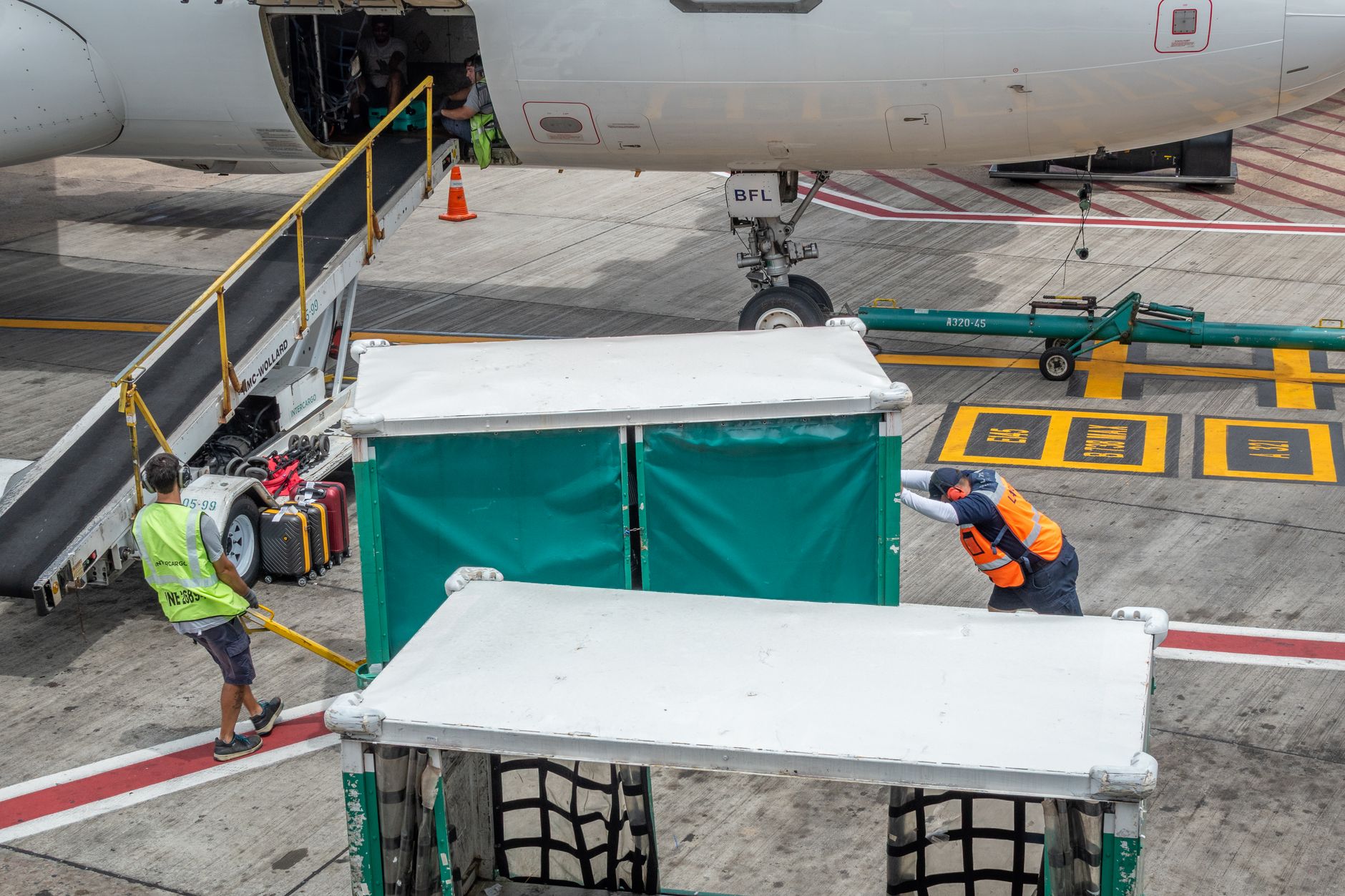
Measured gains across sustained aircraft cleaning
The robots moved beyond demonstration use. Since their introduction in 2023, the operation has completed more than 2,000 aircraft cleans with the system.
Across that work, the operation reports saving more than 5,000 working hours and conserving 4.2 million liters of water. Those are cumulative outcomes reported by the operator, not estimates produced by Service Robot Co.
The source does not provide enough detail to establish a precise saving per wash, wash-cycle duration after deployment or post-deployment staffing level. No such figures are inferred here.
What this record means for US operators
This case shows why airport robots merit attention when the task is repetitive, resource-intensive and bounded by a clear operating procedure. The strongest procurement case begins with a measurable duty and operational records, not a generalized promise about automation.
Service Robot Co. did not run this deployment. For US businesses evaluating comparable equipment, Service Robot Co. acts as a full-service, OEM-neutral commercial robot integrator. The team selects equipment across manufacturers, then handles financing, robot deployment and integration, training and continuing service through a nationwide US engineer network.
That lifecycle model gives operators a single accountable vendor from site assessment through field support. It also creates room to evaluate commercial robot leasing, robot leasing for business or purchase structures without tying equipment selection to a particular manufacturer.