a high-traffic airport hotel running 24/7 automated floor care in guest corridors and public areas
How an Airport-Adjacent Hotel Cut Water and Chemical Use 70% With Robotic Scrubbers
A high-traffic airport hotel deployed four compact autonomous scrubbers after a six-week trial, cutting water and chemical use up to 70% with ROI in 12 to 18 months.
- 70%
- Less water use
- 4
- Scrubbers live
- 12-18 mo
- ROI window
- 1,000 m²
- Per charge
Based on a documented real-world deployment. Figures are from public reporting; the organization is not named.
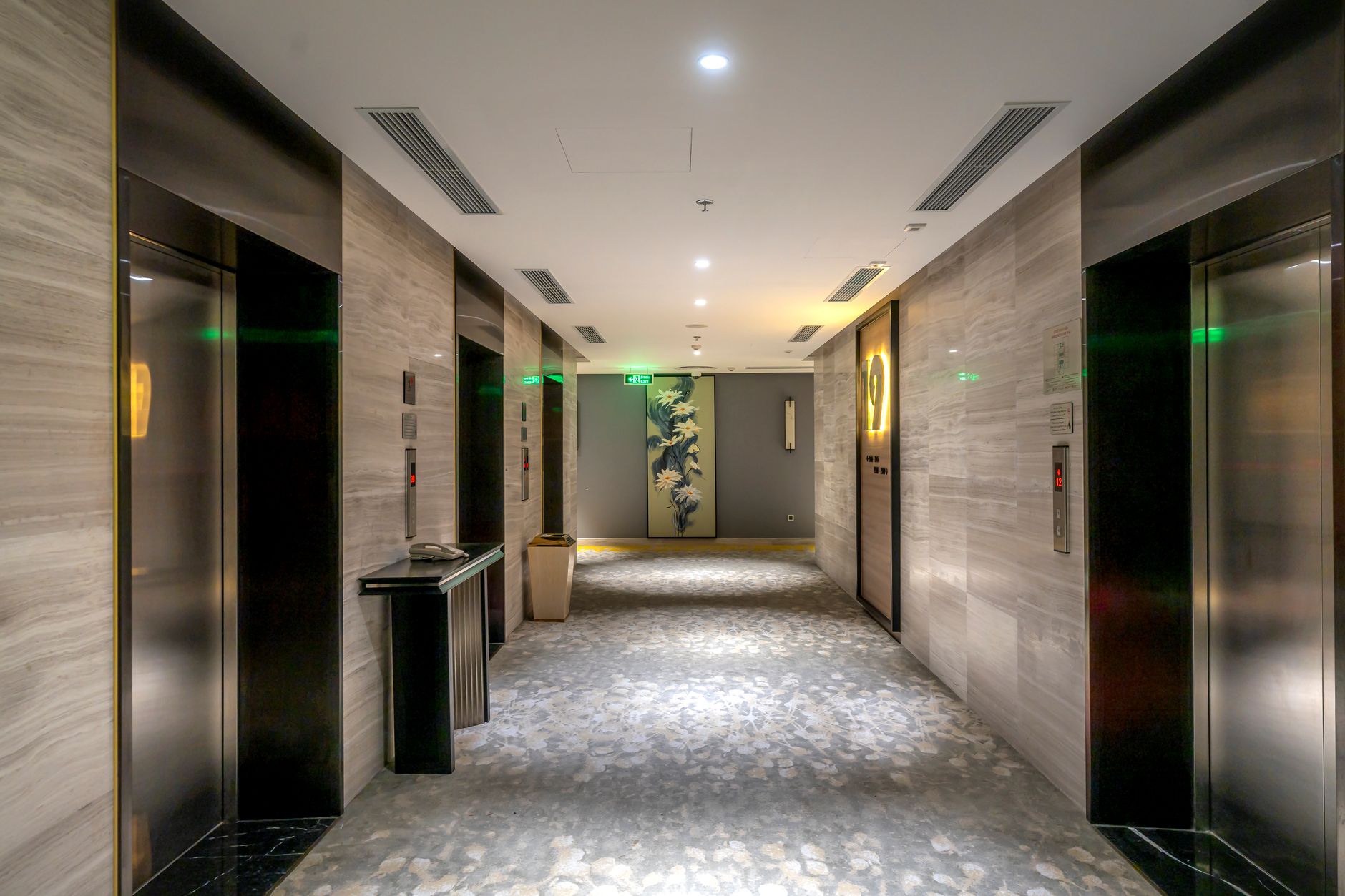
Guest areas that never really close
Corridors, lobbies, and back-of-house hard floors at an airport-adjacent hotel see steady foot traffic and roller bags at odd hours. Housekeeping still needs visible edge cleaning along baseboards and under furniture, not just a quick center-path mop.
Manual scrubbers left teams doing follow-up passes in corners and tight seating groups. Chemical and water use climbed because each shift tuned the machine differently.
- High guest visibility when machines run in public areas
- Corners and furniture skirts that resist uniform results
- Pressure to hold standards without adding overnight headcount
Six-week trial, then four compact autonomous scrubbers
Leadership ran a structured six-week on-site trial of a compact autonomous scrubber built for hospitality guest areas. Weekly performance reviews with the housekeeping team validated routes before purchase.
The units map routes with onboard sensors, run edge cleaning close to walls, and fit under furniture thanks to a low profile near 62 centimeters. Four machines went on full-service contracts for around-the-clock hard-floor care.
- Pilot routes in live guest traffic with weekly check-ins
- Train staff on daily maintenance and deployment from a mobile app
- Purchase four scrubbers after the trial met quality checks
- Keep full-service coverage for parts and support
Published sustainability and consistency gains
The operator reports up to 70 percent reduction in water and chemical consumption versus prior manual scrubbing practices. Each unit can clean up to 1,000 square meters per battery charge with predictable cycle data managers can see in the app.
Financial payback landed in the 12 to 18 month range cited in the public case materials. Housekeeping noted cleaner carpet edges and hard floors without a second manual detailing pass, and guests often watched the machines work without service disruption.
What this means for your hotel or public-building floor program
Airport hotels and similar properties fail robot pilots when the machine is too large for furniture clearances or too dumb to hug baseboards. This deployment won on compact size, edge coverage, and a disciplined trial before capital purchase.
Service Robot Co. compares autonomous scrubber options across manufacturers, finances units through lease or monthly rental, maps your actual corridors, trains the night shift, and services robots through a nationwide engineer network. Start with a free site assessment when your public floors never fully shut down.