a nationwide airport janitorial contractor supporting major U.S. terminals
Airport Autonomous Scrubbers Reallocate Labor at National Scale
A documented airport example shows how autonomous scrubbers helped a nationwide janitorial contractor clean nearly 19 million square feet daily.
- 19M sq ft
- Airport space cleaned daily
- $2M
- Airport industry labor savings
- 24/7
- Cleaning coverage supported
Based on a documented real-world deployment. Figures are from public reporting; the organization is not named.
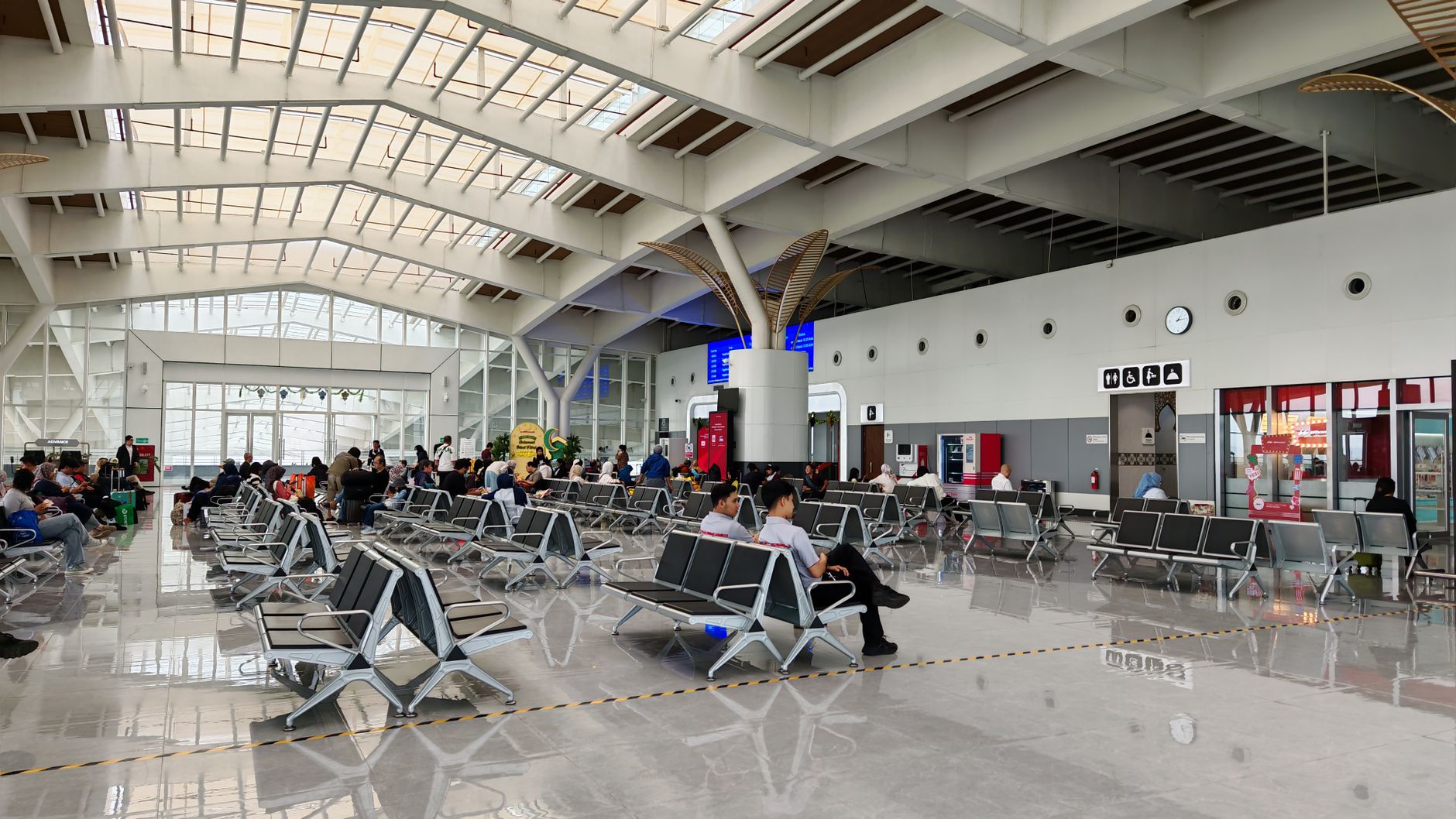
Cleaning Vast Terminals Without Trapping Labor in Repetitive Floor Care
A nationwide airport janitorial contractor supporting major U.S. terminals had to keep immense concourses, gate areas, and public walkways presentable every day. In that setting, floor care is constant, highly visible, and difficult to pause without passengers noticing.
The operational problem was not simply coverage. It was labor allocation. Crews were spending time on repetitive scrubbing while airports still needed people available for detail work, touchpoint cleaning, and the many judgment calls that busy terminals demand.
- Large daily floor coverage across airport environments
- Constant cleanliness expectations in public facing spaces
- Pressure to shift labor toward higher value responsibilities
Using Autonomous Scrubbers to Offload Repetitive Terminal Work
The contractor added an autonomous scrubber fleet to take over routine floor scrubbing at airport scale. That let the operation keep cleaning moving while opening room in the schedule for staff to handle work better suited to people.
This is the pattern many airport operators now study when weighing commercial cleaning robot rental, autonomous floor scrubber rental, or a robot as a service model. Start with the repetitive floor route, phase deployment by site, train crews around the new workflow, and keep service support close so uptime stays dependable.
- Match the robot category to repetitive concourse floor care
- Roll out by site and route instead of forcing a one night changeover
- Train crews to supervise, recover, and redirect labor
- Support the fleet with ongoing maintenance and service coverage
A Scale Story With Real Throughput and Real Labor Relief
According to the airport customer spotlight, the fleet supports cleaning nearly 19 million square feet of airport space each day. That is the kind of large facility coverage that turns autonomy from a pilot curiosity into an operating method.
The same source ties the deployment to $2 million in airport industry labor savings. Just as important, the operator says autonomous scrubbers give airport employees more time to use their skills on other important responsibilities, which is exactly where a busy terminal gains the most from automation.
The source also frames airport floor care as a 24/7 need. In practical terms, that makes autonomous scrubbing valuable not because it replaces every task, but because it keeps overnight cleaning no operator intensive and frees crews for the work robots should not own.
What This Means for Service Robot Co. Buyers
This example is useful because it shows what buyers should actually look for: verified coverage, documented labor impact, and a clear handoff between robot work and human work. It is not a claim about a Service Robot Co. deployment. It is a real market proof point for airport floor automation.
For companies exploring airport cleaning robot rental, commercial robot rental, or floor scrubber monthly lease programs, Service Robot Co. plays a different role. We are a vendor neutral robot integrator that helps U.S. operators choose the right machine, finance it through lease rental or sale structures, deploy it, train staff, and support it through one nationwide service partner.
That matters when a buyer wants one partner one number, maintenance included, on site dispatch, remote triage, and a robot that fits your floor instead of a one brand sales pitch. In airport facilities, rollout discipline and service coverage usually matter as much as the hardware itself.