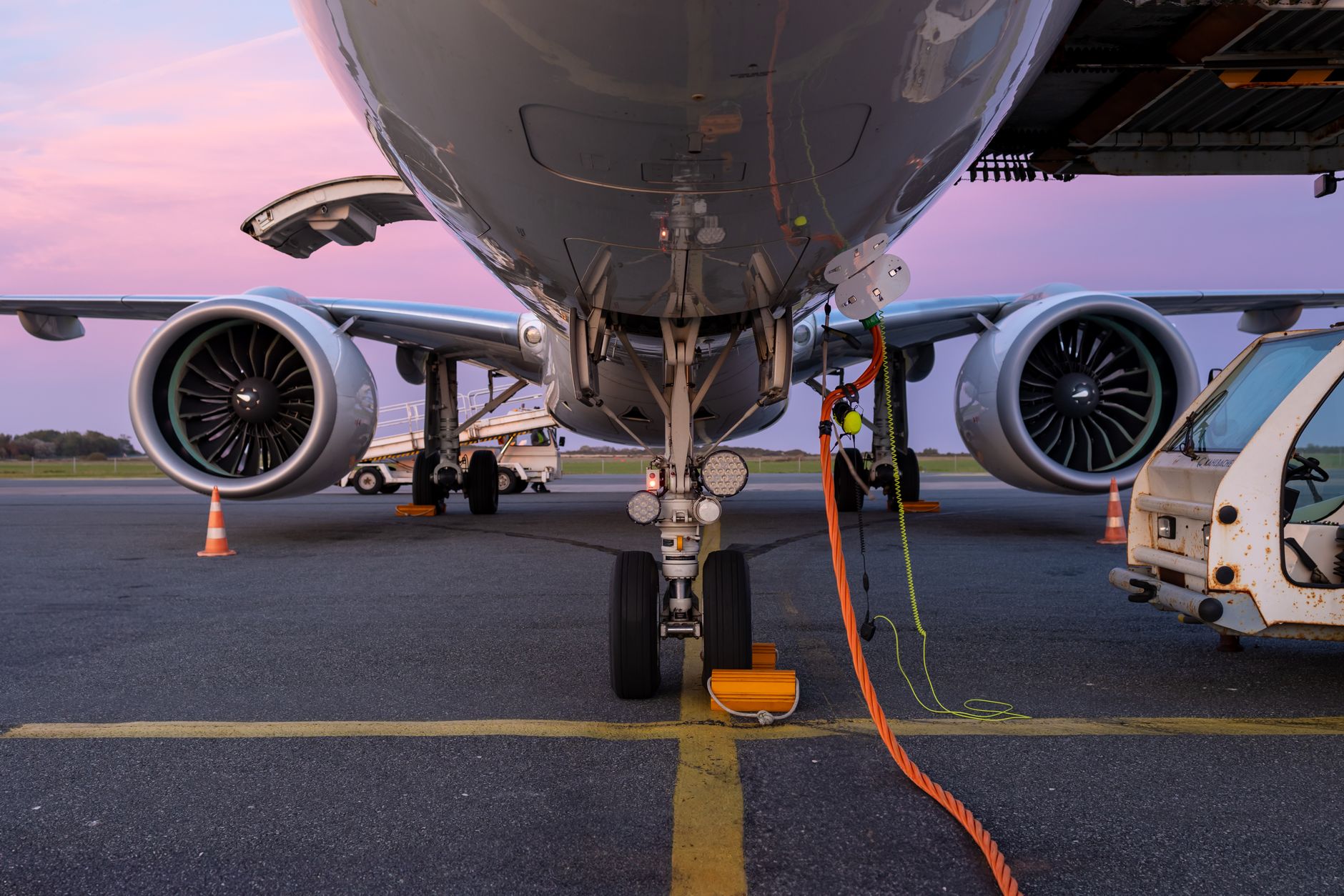
a commercial airport 200 kilometers north of a Nordic capital
Airport Snow Removal Case Study: 357,500 Square Meters Per Hour
An anonymized airport operations case study on autonomous snow-removal vehicles that proved 357,500 square meters of clearing capacity per hour.
- 357,500 m2/h
- Hourly clearing capacity
- 20 m
- Vehicle length
- 5.5 m
- Vehicle width
- 4G
- Remote communications
Based on a documented real-world deployment. Figures are from public reporting; the organization is not named.
Winter Runway Pressure
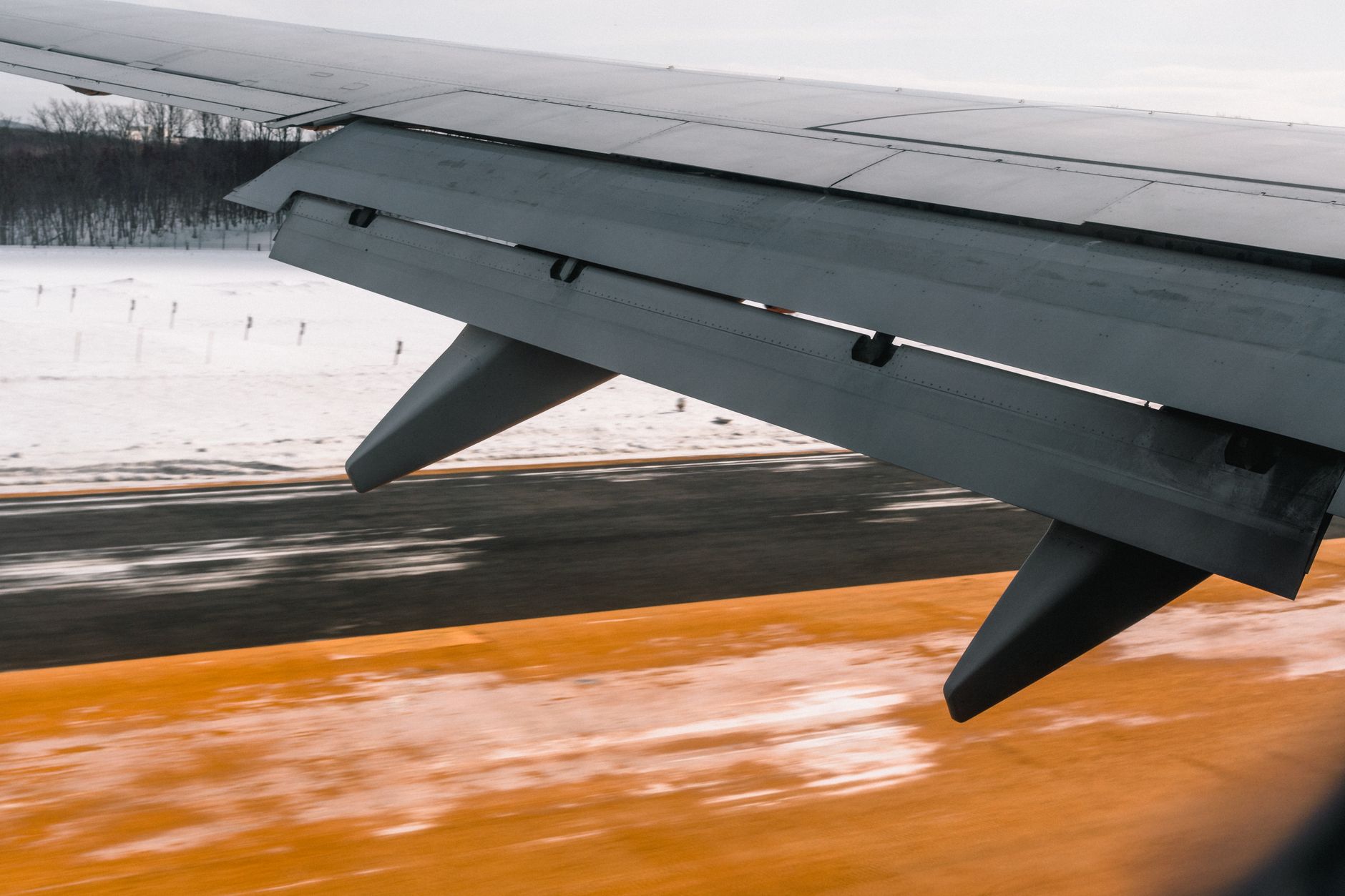
At a commercial airport 200 kilometers north of a Nordic capital, snow was not a nuisance task. It sat directly on runway readiness. The published case states that takeoff and landing runways had to be completely clear if flights were to depart and land on time.
That operating burden meant large machines, crews on standby, and airside work that had to stay accurate under harsh weather. Formation work mattered. So did safety, reliability, and the ability to keep multiple vehicles aligned across a wide clearing path.
- Runways had to be fully clear for on-time departures and arrivals
- Snow response depended on standby staff ready to clear whenever needed
- Precision across several vehicles was essential for safe formation clearing
How The Trial Was Run
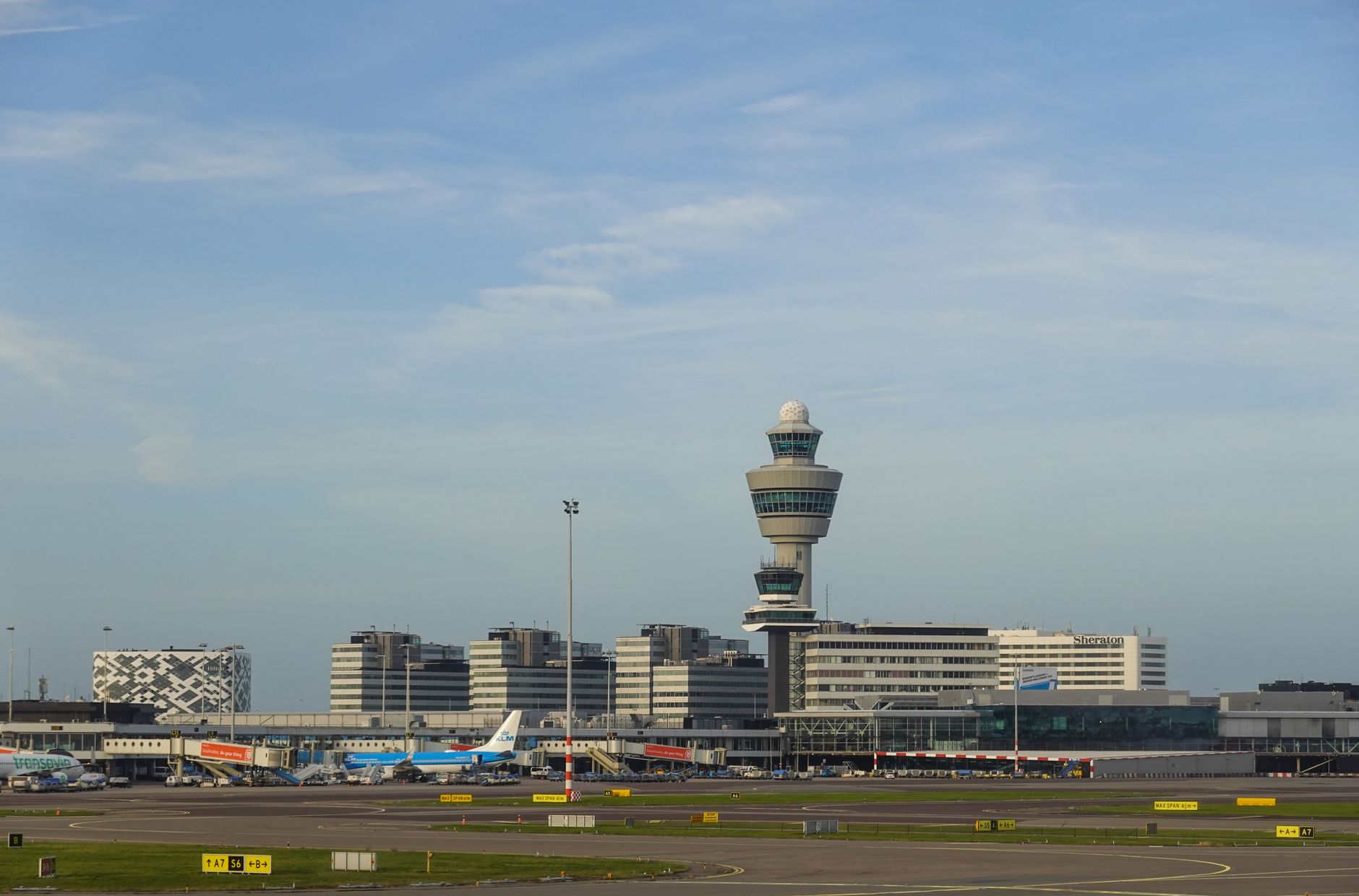
The documented program first tested autonomous snow-removal vehicles at the airport in March 2018. Instead of treating each machine as an isolated operator task, the deployment used a control system that defined digital snow-clearing patterns and sent them to the vehicles.
That control system also monitored several vehicles at once while each vehicle navigated with RTK GPS and communicated over 4G. The public record points to remote fleet supervision as a core operating method, not a side feature.
The source focuses on the field test and control method, not on procurement, training hours, or service terms. What it clearly shows is a live airfield trial built around coordinated autonomy on full-size equipment.
- Create digital clearing patterns for the runway work
- Dispatch and supervise multiple vehicles from one control layer
- Use RTK GPS and 4G links to hold formation and track execution
What The Deployment Proved
The hard number in the record is clearing capacity: 357,500 square meters an hour. For airport operations, that is the central result because it ties autonomy to throughput on the surface that matters most during winter events.
The same source reports vehicle dimensions of 20 meters in length and 5.5 meters in width, underscoring that this was not a lightweight demo. These were large airside machines shown clearing in formation with the same precision no matter what the weather.
The published case says the project aim was to increase efficiency and reduce delays at airports. It does not publish labor savings, crew cuts, or payback figures, so the honest takeaway is operational: autonomy proved meaningful hourly capacity and weather resilience on very large snow-removal vehicles.
Why This Matters For U.S. Buyers
This was not a Service Robot Co. deployment. It is a documented operating example that shows what airport autonomy looks like when the work is mission critical, weather exposed, and too large for casual experimentation.
For U.S. operators, the lesson is less about one machine and more about program ownership. Service Robot Co. is a vendor neutral robot integrator for U.S. businesses that can run a free site assessment, stage a commercial robot demo, guide a robot pilot program, and handle robot deployment and integration, training, financing, and service through one partner one number.
That matters when an airport wants phased deployment no shutdown, disciplined robot fleet management, or a multi vendor one dashboard view as autonomy expands across the airfield. The value is not just the vehicle. It is choosing the right fleet and carrying the operating burden after launch.