
a major Southeast Asian hub airport with kilometers of concealed cabling
Ceiling Crawlers Cut Hatch Openings by More Than Tenfold
A major Southeast Asian hub airport cut ceiling hatch openings by more than tenfold with crawler robots that inspect hidden cabling from under 10 cm.
- 10x+
- fewer hatches opened
- <10 cm
- close-up inspection distance
- 100 m
- manual survey example
- 45 min
- setup for 1-minute check
Based on a documented real-world deployment. Figures are from public reporting; the organization is not named.
The Maintenance Bottleneck
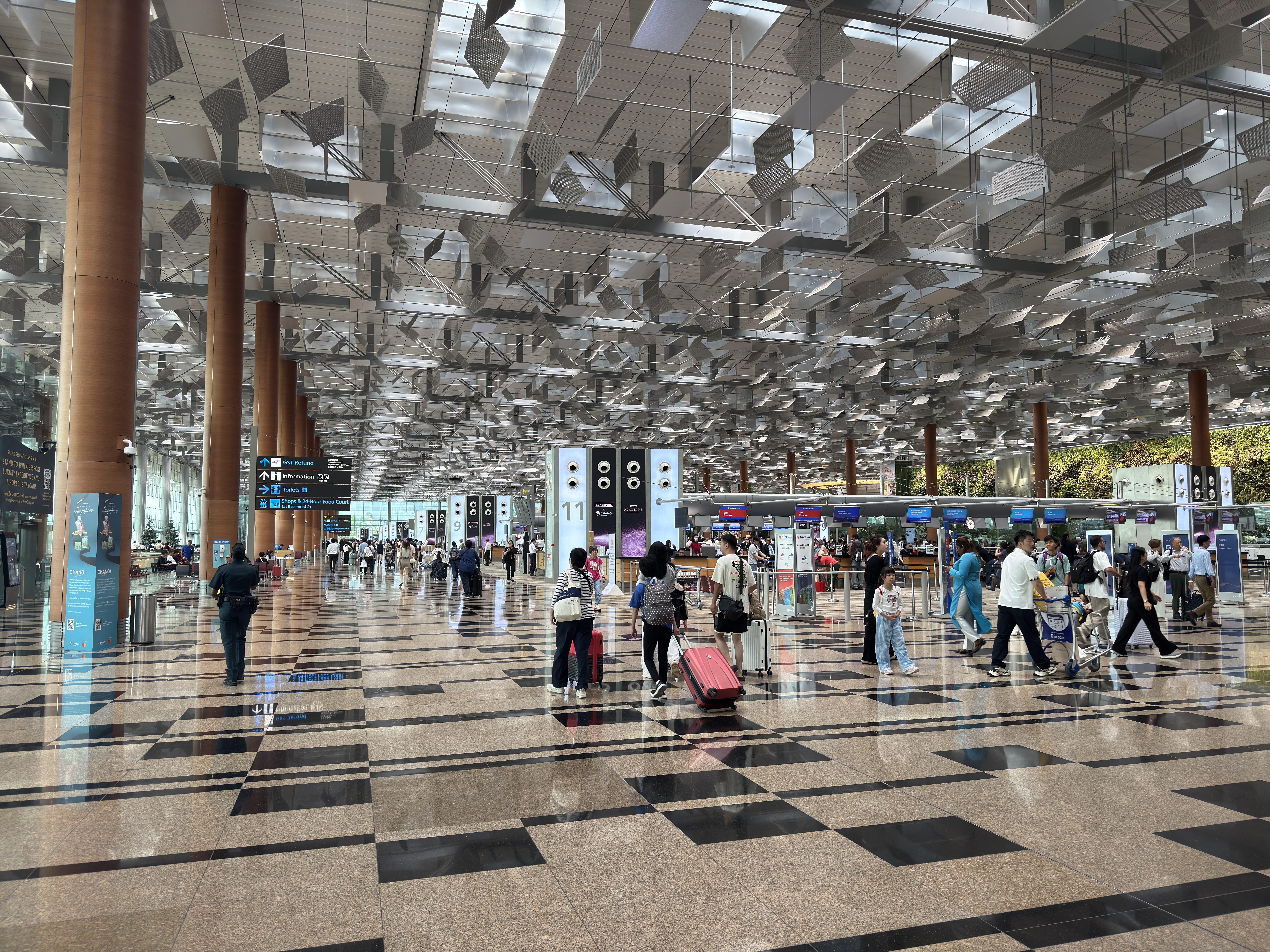
For a major Southeast Asian hub airport with kilometers of concealed cabling, the hard part was not locating the run. It was reaching it. Routine inspection meant technicians working above active terminal space, opening panel after panel just to see a narrow slice of the ceiling void.
The documented baseline was punishing. A survey of a 100-metre space could consume an entire night for a trained crew of five, and even a quick 1-minute check could require up to 45 minutes of setup with ladders, access prep, and ceiling openings.
- Concealed cables and wires ran over kilometres above the terminals.
- Manual inspection required repeated panel removal just to advance along the run.
- Setup time could outweigh the inspection itself.
How The Crawler Was Introduced
The airport operations team and its partners introduced compact ceiling crawlers built for tight, dark voids above passenger areas. The machines were designed to travel long distances inside the ceiling space, capture high-resolution imagery, and relay it to staff on the ground for visual inspection and defect review.
The rollout was deliberate rather than theatrical. Prototyping began in 2024, then trials moved through Terminal 2, Terminal 3, and other enclosed ceiling spaces while facilities teams refined how the crawler fit into routine inspection and maintenance work.
- Design the crawler for narrow clearances and low-light ceiling spaces.
- Use ground operators to review live visual feeds and flag defects or debris.
- Trial the robot in Terminal 2, Terminal 3, and other enclosed ceiling spaces before broader expansion.
- Work with facilities teams to fold the robot into established inspection routines.
What Changed In Practice
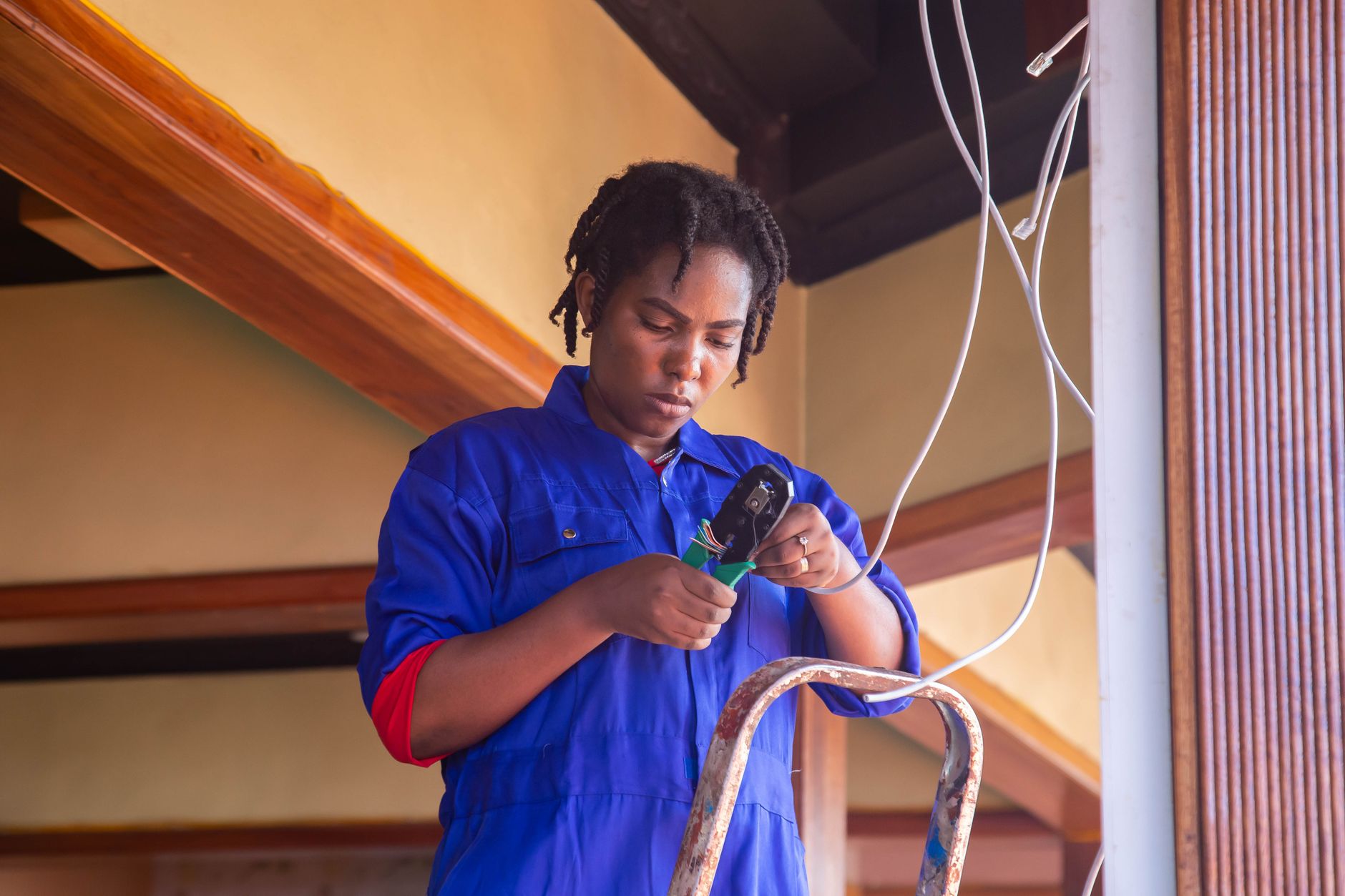
The clearest operational gain was access reduction. Early trials cut the need to open individual ceiling hatches by more than tenfold, because the crawler could cover long concealed runs from a far smaller number of entry points.
Image quality mattered as much as mobility. The crawler conducted close-up inspections from less than 10 centimetres out, giving teams a tight visual angle on anomalies that may be missed when a technician must inspect from farther away. The airport also reports significant man-hour savings, lower inspection cost, and improved safety from fewer panel removals.
What This Means For Service Robot Co. Buyers
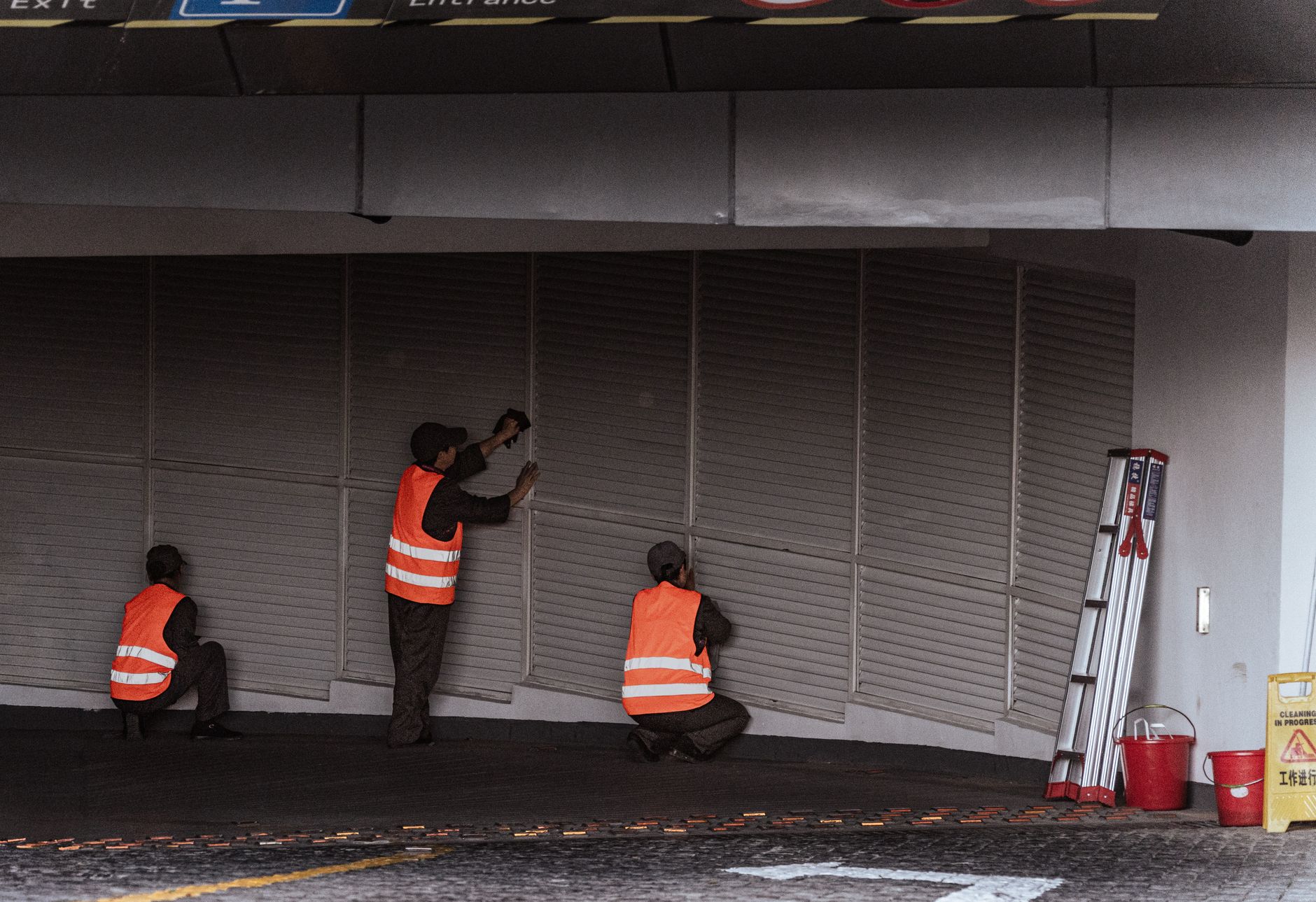
This is not a Service Robot Co. deployment. It is a documented operating example that shows where a ceiling inspection robot earns its keep in facility maintenance: when access is the bottleneck, not the camera.
For U.S. operators weighing an inspection robot lease or a crawlspace inspection robot, the buying task is larger than the machine. Service Robot Co. is a full-service, vendor neutral robot integrator for U.S. businesses. We can help select the right robot across manufacturers, structure purchase or lease, handle robot deployment and integration, train site teams, and service the unit through a nationwide U.S. engineer network.
That matters especially for buyers who prefer service robot leasing, or robot leasing for business before committing to ownership. In this category, RoboCare™ service, commercial robot repair service, remote triage, and on-site dispatch are not side details. They are part of what makes an inspection crawler usable on a live facility schedule instead of staying stuck in pilot mode.