
an airport parking contractor working across eight garages and 33 floors
Airport Parking Case Study: Over 90% Faster Layout
An airport parking contractor working across eight garages and 33 floors cut layout time by over 90% and saved 6,864 man-hours on 7,000 spaces.
- 90%+
- Layout time cut
- 6,864
- Man-hours saved
- 939 ft/hr
- Print speed
- 100%
- Accuracy reported
Based on a documented real-world deployment. Figures are from public reporting; the organization is not named.
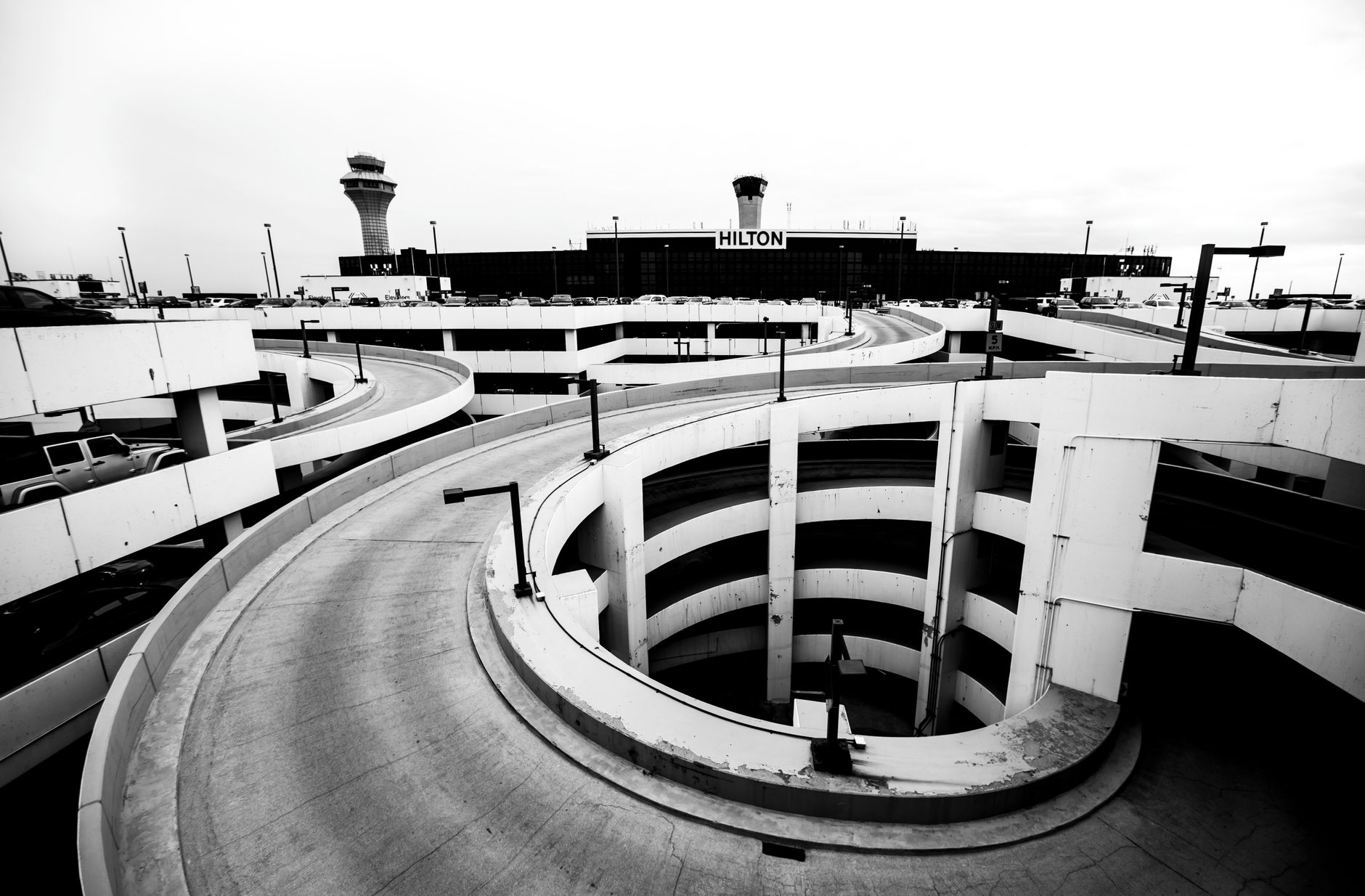
A restriping job with no room for drag
The documented job was large by any parking standard. An airport parking contractor working across eight garages and 33 floors had to re-stripe 7,000 parking spaces across 3.3 million square feet, and the work had to move without keeping garages closed longer than necessary.
Manual string and chalk layout was the pressure point. In a live airport environment, slow layout stretches closure windows, delays reopening, and puts strain on every crew that follows striping.
- 7,000 parking spaces to re-stripe
- 3.3 million square feet across eight garages and 33 floors
- Garages needed to reopen as fast as possible
Replace hand layout with printed layout
The documented change was simple in concept and meaningful in practice. The contractor replaced manual string and chalk layout with a layout robot that printed the parking plan directly onto the floor.
That mattered because the mark package went beyond stall lines. The source says the robot printed parking stalls, directional arrows for entrances and exits, traffic flow indicators, and handicap line markings, which made the layout package more repeatable across the full garage portfolio.
- Replace string and chalk layout with robotic printing
- Carry the same layout method across the garage portfolio
- Print stalls, arrows, traffic flow markers, and handicap markings
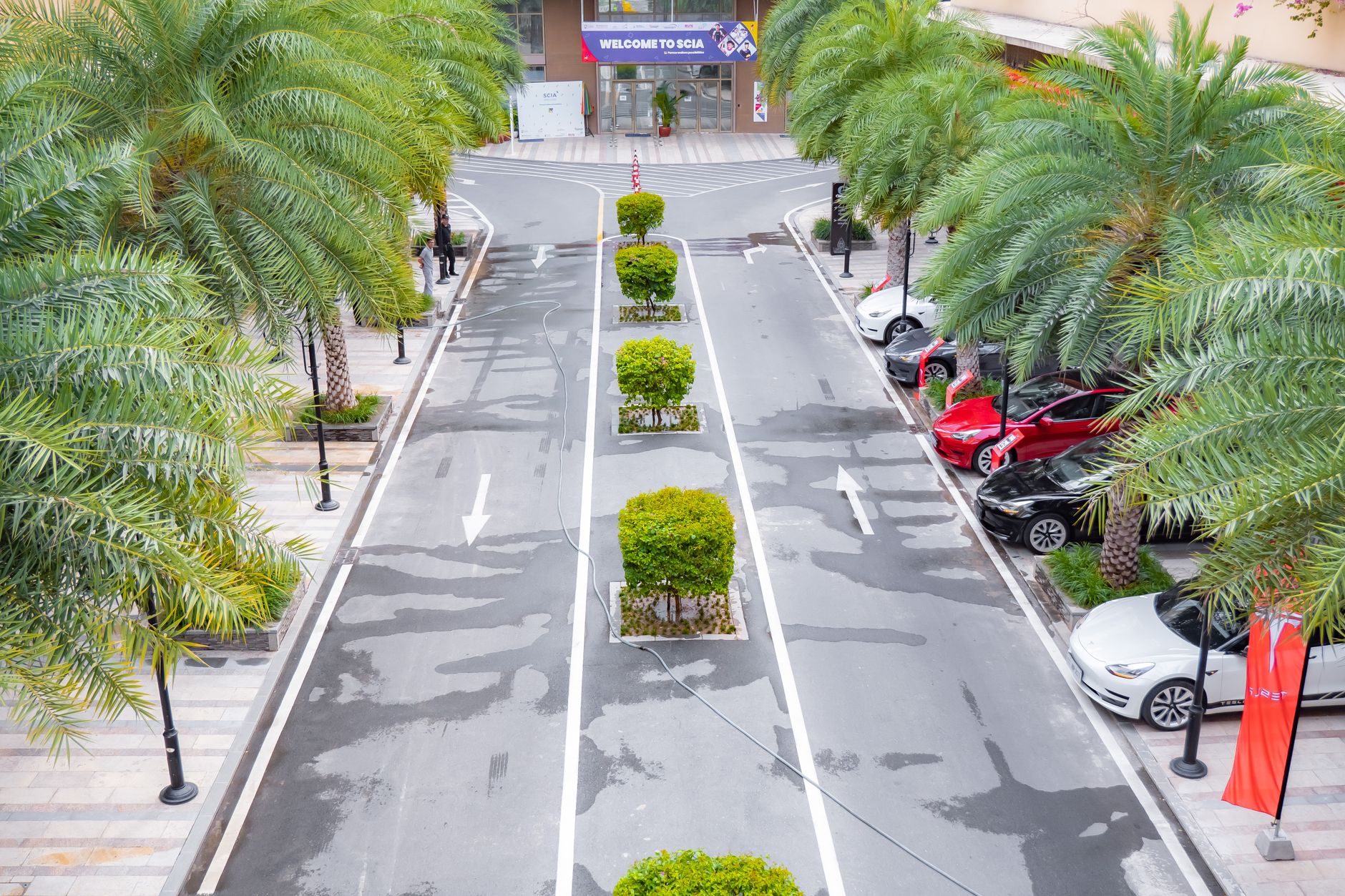
Measured gains at operating scale
The time result is the headline. Layout time fell by over 90%, which let garages reopen faster than planned and helped the team complete the job ahead of schedule while reducing disruption for travelers.
The source also reports unusually concrete production data: 450,000 linear feet printed, 939 linear feet printed per hour, 100% accuracy, and 6,864 man-hours saved.
What this says about adoption
This example shows why layout automation is rarely just a machine purchase. A contractor still has to choose the right robot for the marking scope, fit it into live operations, train the field crew, and keep service close enough that downtime does not ripple through the schedule.
That is where Service Robot Co. fits. We are a vendor neutral robot integrator for US businesses, handling robot deployment and integration from site assessment mapping through training, with RoboCare™ service and service across manufacturers. For teams weighing robot leasing for business, a leasing model, monthly payment programs, no upfront capital, or a lease purchase program, we cover the full lifecycle across manufacturers.