
the baggage-reclaim operation at a major European hub airport
Baggage-Reclaim Cobots Reached 90%+ Lift Coverage in Pilot
A major European hub airport used baggage-handling cobots to tackle repetitive lifting, topping 90% pilot coverage and targeting 80% to 90% at scale.
- 90%+
- Pilot lift coverage
- 80-90%
- Expected at scale
- 19 units
- Cobots ordered
- 1 year
- Lift aid goal
Based on a documented real-world deployment. Figures are from public reporting; the organization is not named.
The Ergonomic Pressure Point
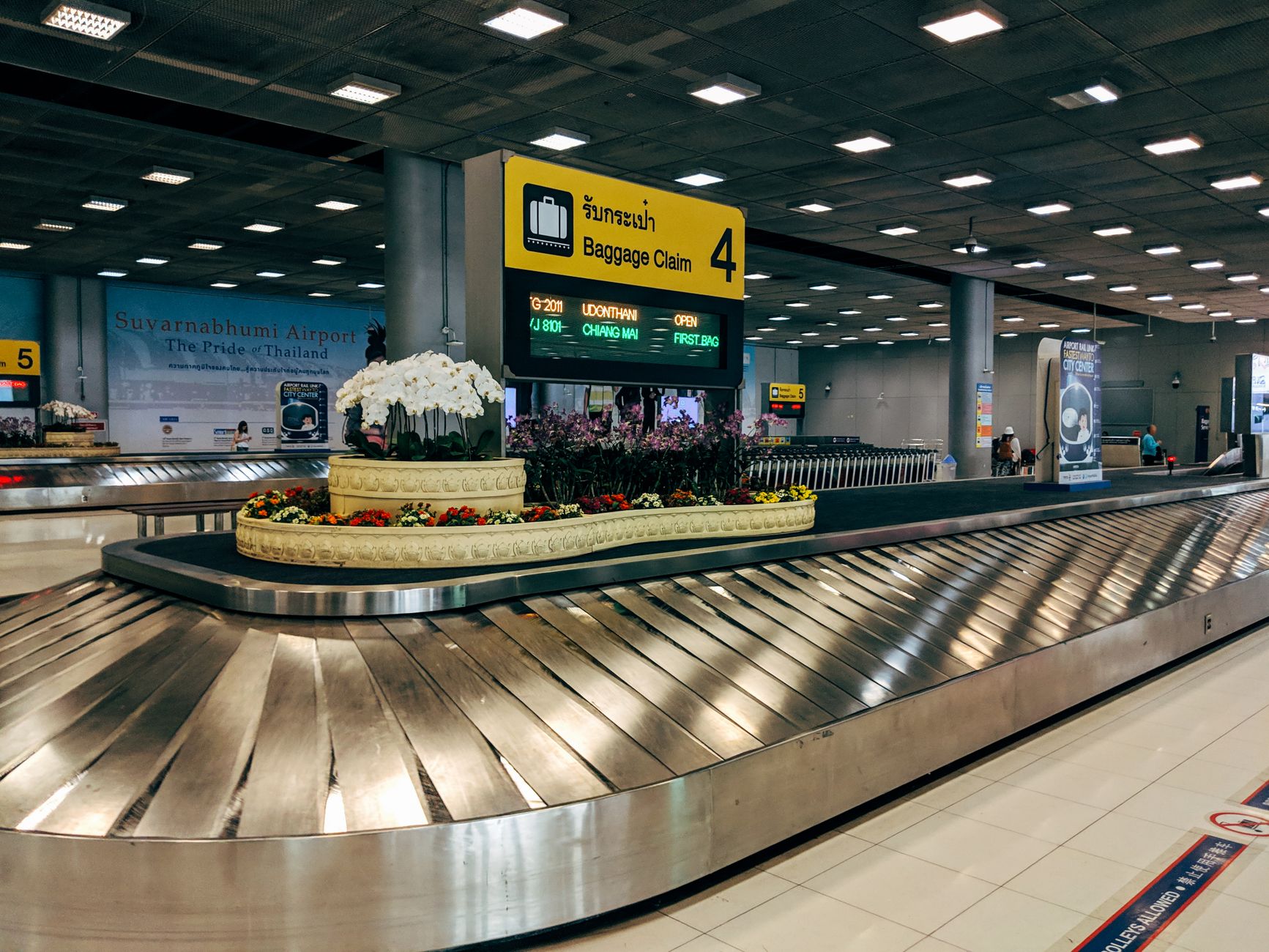
At the baggage-reclaim operation at a major European hub airport, handlers were still doing the hardest part of the job by hand. Suitcases had to be lifted again and again from belt to trolley, creating a repetitive strain problem inside a fast, unforgiving baggage flow.
The airport did not frame this as a minor process tweak. It tied the effort directly to better working conditions for baggage staff and to labour-inspector requirements, with a stated aim of giving every workspace a good lifting aid within one year.
- The manual lift was the physically heavy element of the process.
- Any equipment had to prove itself in live baggage handling, not in a controlled demo.
- The operation needed a lifting aid crews would accept and use in day to day work.
Pilot First, Then Phased Rollout
The airport introduced a baggage-handling cobot that had been developed for this lift task over the previous six months. Rather than force a broad rollout on faith, it ran a two-week pilot in June with employees working directly alongside the robot on real baggage moves.
Once that pilot landed well, the airport moved quickly. It chose to buy 19 units, put the first robot into use in autumn, and expand in stages to the full count by the beginning of 2024. At the same time, the handling operation continued to pair the new equipment with lifting instructions, job rotation, and further integration work.
- Develop the cobot around the specific suitcase lift from belt to trolley.
- Run a two-week live pilot with baggage staff in June.
- Use pilot feedback to justify a 19 unit order and staged expansion.
- Keep human work practices in place while the cobots are integrated into the flow.
A Coverage Metric Strong Enough to Trigger Purchase
The airport said that, at large scale, the cobots should be able to lift at least 80% to 90% of baggage items without problems. It also said the percentage achieved in the June pilot was higher than that range. On that basis, the pilot clears 90% lift coverage, which is why the test reads as a genuine operational proof point rather than a soft success story.
The result was strong enough to change the airport's buying posture immediately. After the two-week pilot, it ordered 19 robots. The operation also reported that the cobot handled different types of suitcases from the baggage belt onto the baggage trolley, and employee reactions were positive enough that staff asked to see the robots installed in more places.
What This Means for US Aviation Operators
This documented example is not a Service Robot Co. deployment. It is a useful field case because it shows how baggage-handling cobots earn their place: start with a narrow ergonomic pain point, run a live robot pilot program, measure real lift coverage, and scale in phases once crews trust the equipment.
For US operators, Service Robot Co. fills that lifecycle role as a full-service, vendor neutral robot integrator. We select the right robots across manufacturers, then handle robot deployment and integration, training, financing, and service through a nationwide engineer network. That can include a commercial robot demo, cobot leasing, or robot leasing for business with monthly payment programs, RoboCare™ service, remote triage, and on-site dispatch through one partner and one number.