a major international airport terminal cleaning operation
Airport Terminal Floor Care Cut Manual Work by Over 90%
A documented airport terminal scrubber deployment saved over 90% of manual floor work, reclaimed about 5 hours daily, and cut water use 70%.
- >90%
- manual work saved
- 5 hrs/day
- manual cleaning redeemed
- 70%
- less water used
- 13,000 sqm
- terminal area covered
Based on a documented real-world deployment. Figures are from public reporting; the organization is not named.
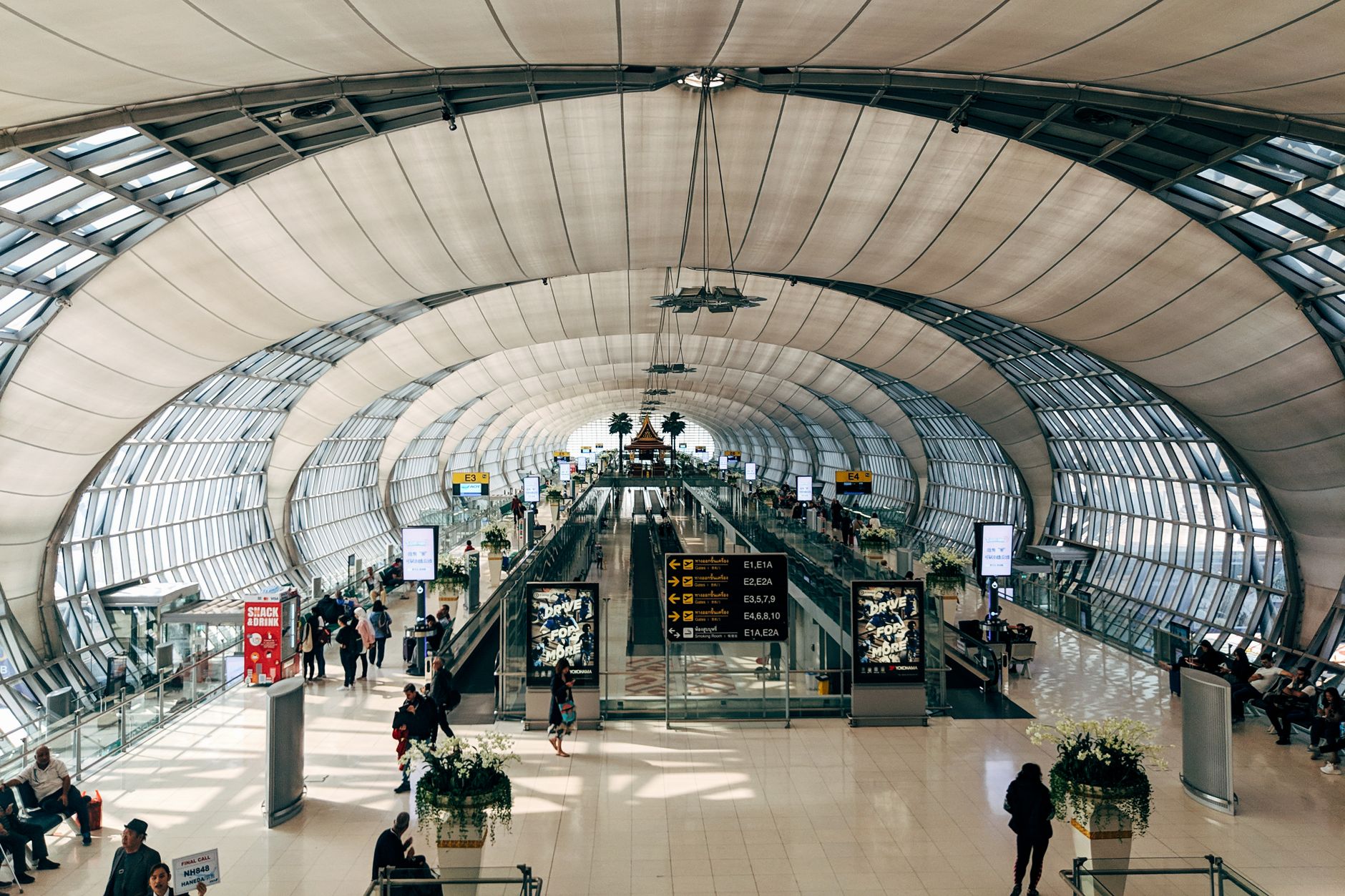
High-traffic floors, higher hygiene pressure
A major international airport terminal cleaning operation had to keep a busy passenger environment visibly clean while hygiene expectations were rising. In a setting like this, inconsistency shows immediately. Missed patches, slow recovery, and uneven floor care all become operational problems, not cosmetic ones.
The operator also needed to prove work was being done and reduce environmental impact at the same time. That is a demanding mix for terminal floor scrubbing, especially in a large public zone where cleaning teams cannot disappear from view and service levels cannot drift.
- Cleaning productivity needed to increase without sacrificing consistency
- Verified cleaning performance mattered, not just completed rounds
- Sustainability goals pushed the team to reduce water consumption
- The area in scope covered 13,000 square meters in a non-Schengen terminal zone
One autonomous scrubber, folded into the daily routine
The documented deployment introduced one autonomous scrubber into the daytime cleaning operation in May 2021. It was assigned to a 13,000 square meter terminal area and ran one shift for around 5 to 6 hours a day, taking over the broad, repetitive floor passes that consume the most labor in a large facility coverage program.
What stands out is not spectacle, but fit. The robot handled the open-floor scrubbing while the crew stayed focused on higher-value detail work. That is the practical logic behind an airport cleaning robot rental, a floor scrubber monthly lease, or a commercial cleaning robot rental program. Put the machine on the predictable miles of floor, then redeploy people where judgment matters.
- Select an autonomous scrubber for repetitive terminal floor scrubbing
- Assign the robot to one defined airport zone instead of forcing a full-site rollout
- Run the unit for one daily shift of about 5 to 6 hours
- Train the cleaning team to pair robot coverage with detail sanitation work
- Use a phased deployment with no shutdown so the operation keeps moving
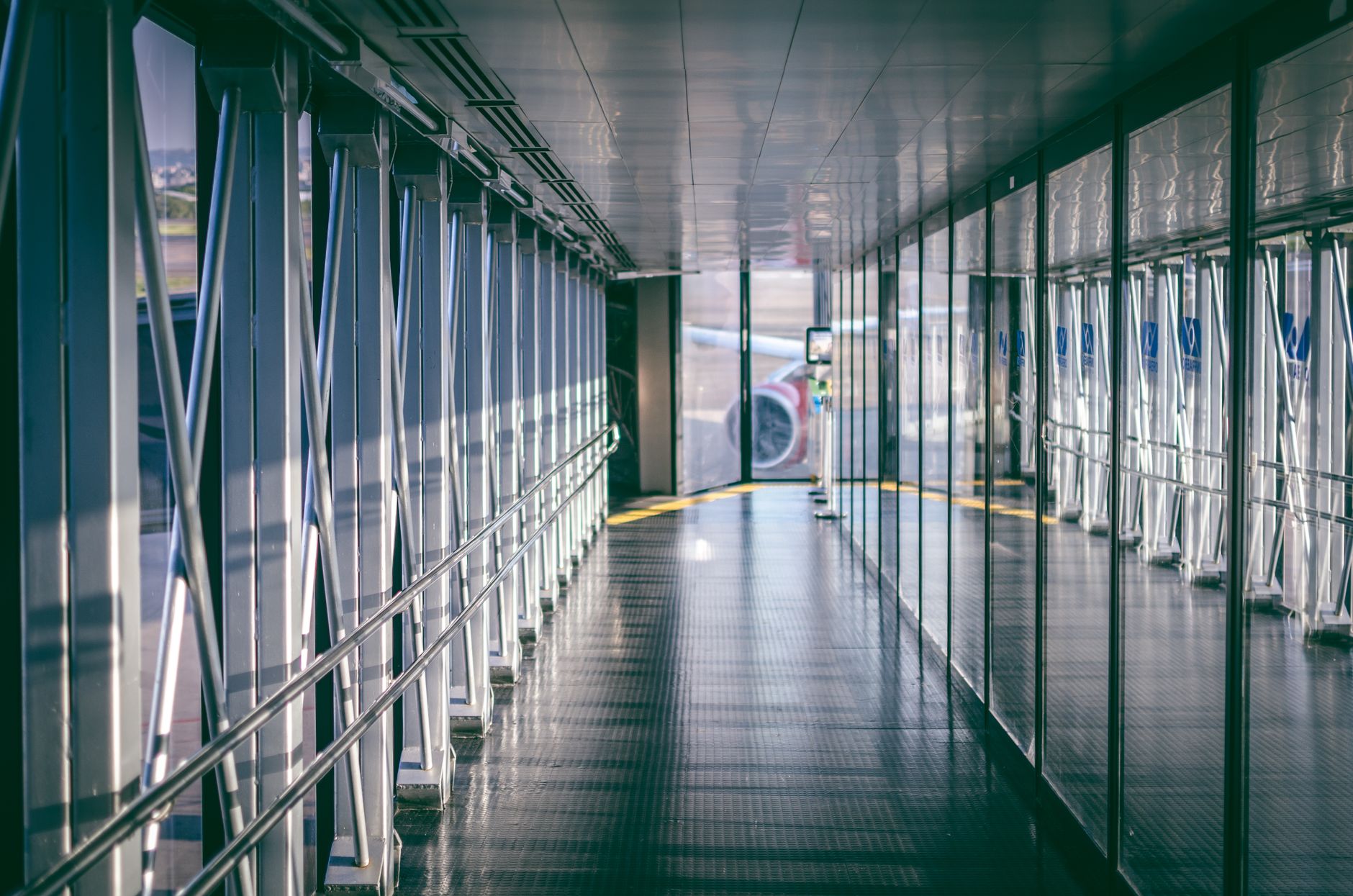
Measured labor relief, with water savings to match
The reported outcome was stark. The robot redeemed about 5 hours of manual cleaning each day, and the team said floor cleaning time dropped to only 30 minutes when staff worked in partnership with the machine. In practical terms, that meant over 90% of human labor for that floor-cleaning task was saved.
The sustainability angle was just as concrete. The source reports 70% lower water consumption, alongside daily operation in a high-traffic terminal environment. For operators weighing an autonomous floor scrubber rental, an industrial floor scrubbing robot, or overnight cleaning no operator coverage in adjacent zones, this is the real signal: labor relief and resource discipline can move together.
What this means for U.S. operators evaluating Service Robot Co.
This case is not a Service Robot Co. deployment, and it should be read that way: as a documented real-world example of what an autonomous scrubber can do in airport operations when the fit is right. The lesson for U.S. buyers is that the hard part is rarely just getting a robot on site. It is choosing the robot that fits your floor, setting up the rollout, training the team, and keeping the unit supported when service cannot slip.
That is where Service Robot Co. is relevant. We are a vendor neutral robot integrator for U.S. businesses, which means we are not tied to one manufacturer or one machine story. We help customers compare lease rental or sale options, including robot leasing for business, robot as a service, monthly payment programs, and no upfront capital paths such as a floor scrubber monthly lease or autonomous floor scrubber rental. Then we handle robot deployment and integration, training, maintenance included support, and one partner one number service through a nationwide U.S. engineer network.