
a top-ranked orthopedic hospital in Alabama cleaned by a regional facilities services contractor
How an Alabama Orthopedic Hospital Freed Four Hours a Day with an Autonomous Scrubber
A documented Alabama orthopedic hospital reclaimed about four hours of daily floor scrubbing with one autonomous scrubber across 75,000 square feet of corridors and tile.
- 4 hrs
- Daily time back
- 75k+ sf
- Cleanable area
- 1 week
- Former monthly jobs
- 24/7
- Scrub cadence
Based on a documented real-world deployment. Figures are from public reporting; the organization is not named.
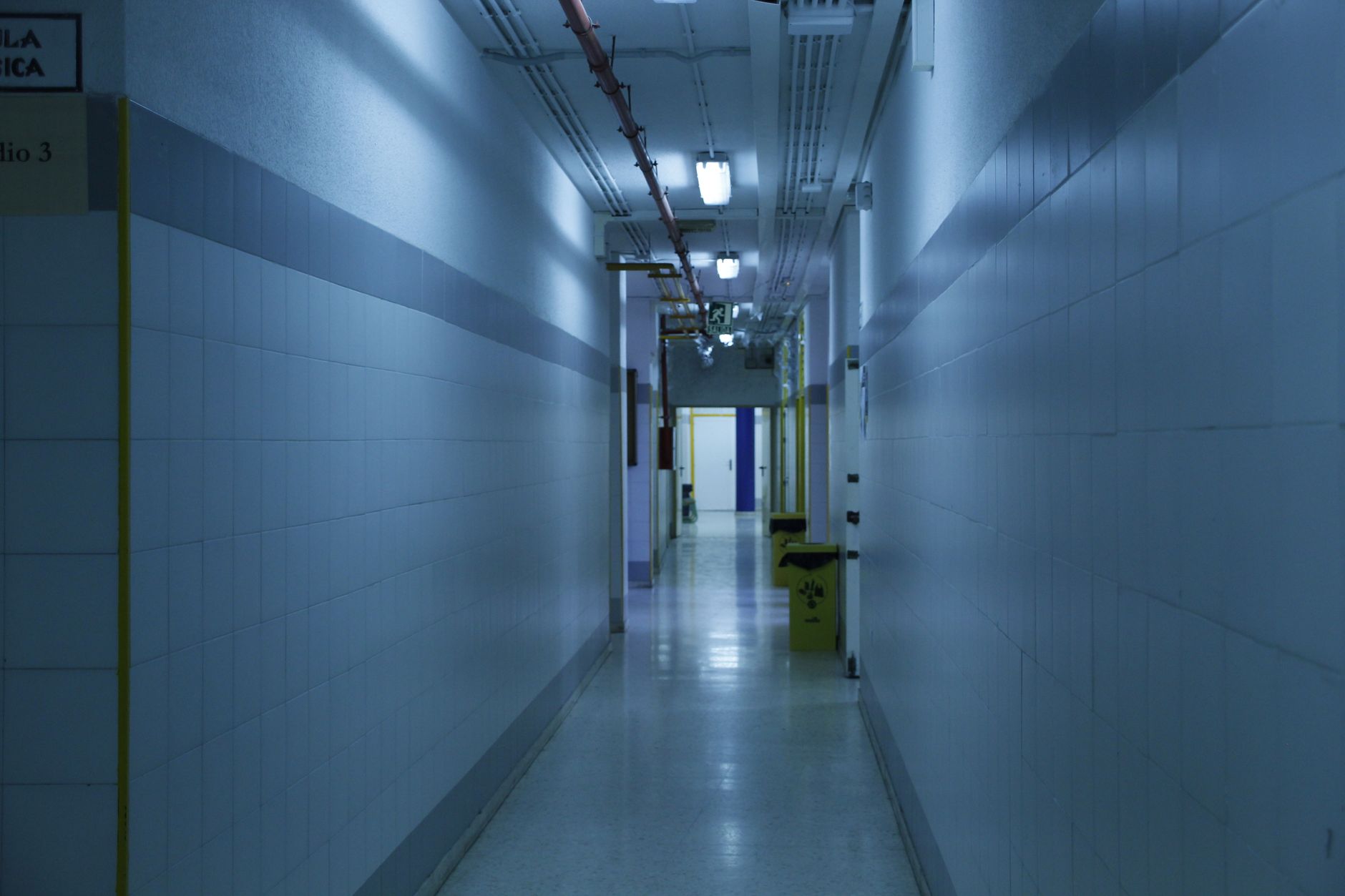
Hallway Scrubbing That Never Caught Up
A top-ranked orthopedic hospital in Alabama depends on spotless corridors and procedure-adjacent tile, but the work sat on the same small environmental services crew that every healthcare site is fighting to keep full.
The regional facilities services contractor overseeing the building faced long scrub cycles on hard floors. Leadership said some hallway programs that should run monthly were slipping toward a full month of backlog even with a staffed team.
Manual scrubbing also pulled techs away from detail work patients notice, while leadership needed a predictable daily pass on high-traffic routes without adding another overnight shift.
- Keep ranked orthopedic standards on corridor gloss
- Shorten the gap between deep scrub cycles
- Free techs for detail work without new headcount
One Autonomous Scrubber on the Busiest Routes
The contractor piloted a compact autonomous scrubber on the hospital's hard-floor network, more than seventy-five thousand square feet of corridors and tile called out in the published case.
Operators mapped repeatable routes so the unit could run while staff handled touch points and restrooms. The team later extended the same machine onto ceramic tile zones that were not in the original scope once they saw consistent coverage.
Site leads treated the unit like another team member with a fixed schedule, using fleet reporting to confirm passes completed while supervisors redirected saved hours to projects that used to wait for a slow month-end window.
- Map corridor loops and charging points with hospital infection-control rules in mind
- Start on highest-traffic hallways before expanding to specialty tile
- Review daily scrub logs before assigning detail tasks to the crew
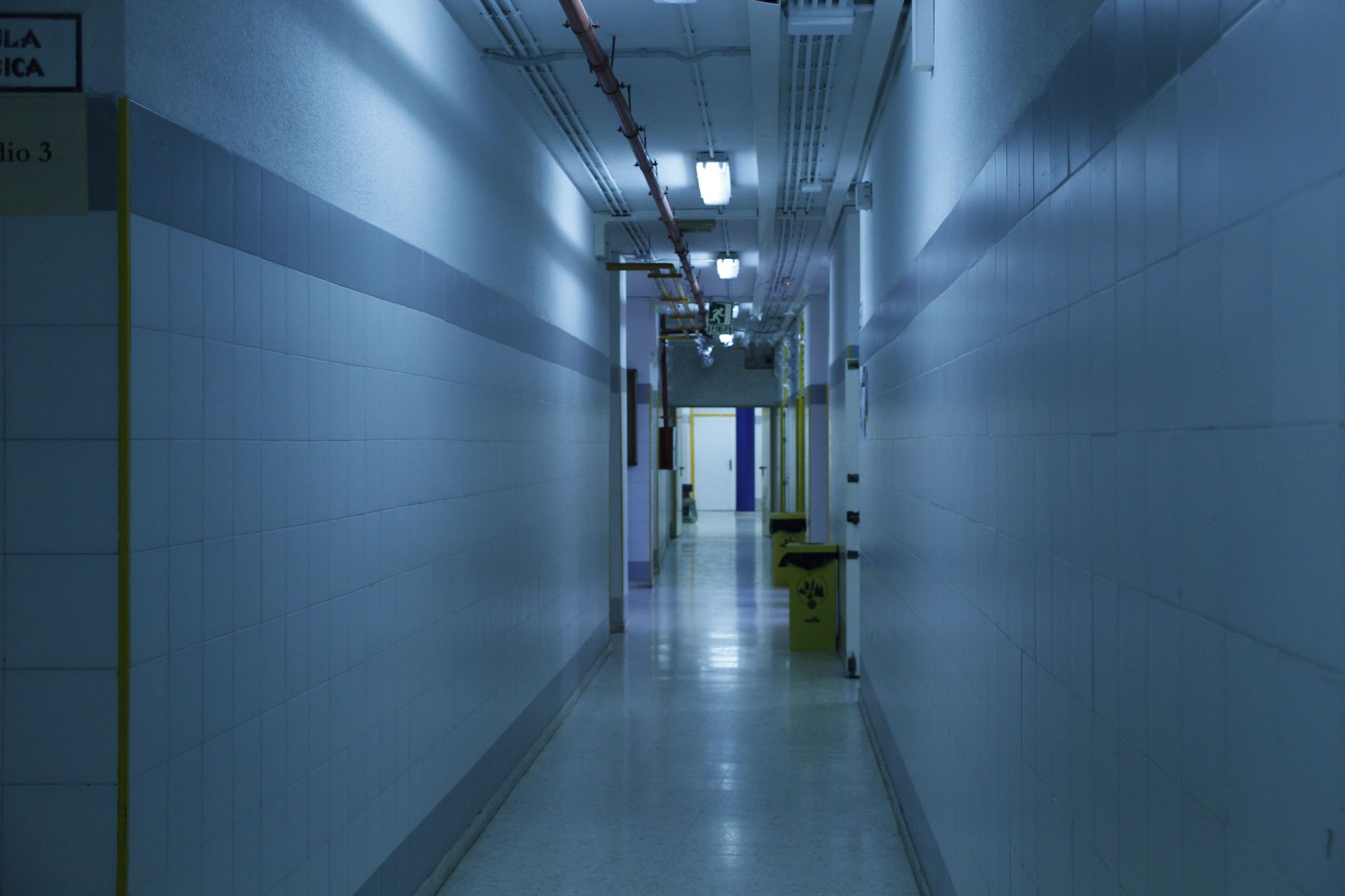
Four Hours Back Every Day
Published interviews with the contractor estimate about four hours of labor returned each day now that autonomous scrubbing covers the repetitive mop-and-scrub loops.
Work that once stretched across a month on some floors could be finished in about a week, and leadership reported running hallway scrubs multiple times per day instead of a single rushed pass.
The hospital customer reaction cited in the case was strongly positive, and the contractor planned to add two more autonomous units as coverage expanded without tying up additional floor tech shifts.
What Hospital Operators Should Ask Next
This is a documented real-world example, not a Service Robot Co. deployment. It shows how a single autonomous scrubber can buy back hours on long corridor networks inside acute-care buildings.
Service Robot Co. stays vendor neutral, maps routes with your infection-control team, and packages buy or lease financing with deployment training and RoboCare service so environmental services leaders get one partner from pilot to multi-unit rollout.