
an underground gold mine in Alaska
Underground Gold Mine Surveys Ran 45% Faster With LiDAR Drones
A documented mining case study from an underground gold mine in Alaska shows autonomous LiDAR drone surveys running 45% faster with 24% more volume.
- 45%
- faster surveys
- 24%
- more cavity volume
- 50+ ft
- worker standoff
- 1-3 ft
- prior brow distance
Based on a documented real-world deployment. Figures are from public reporting; the organization is not named.
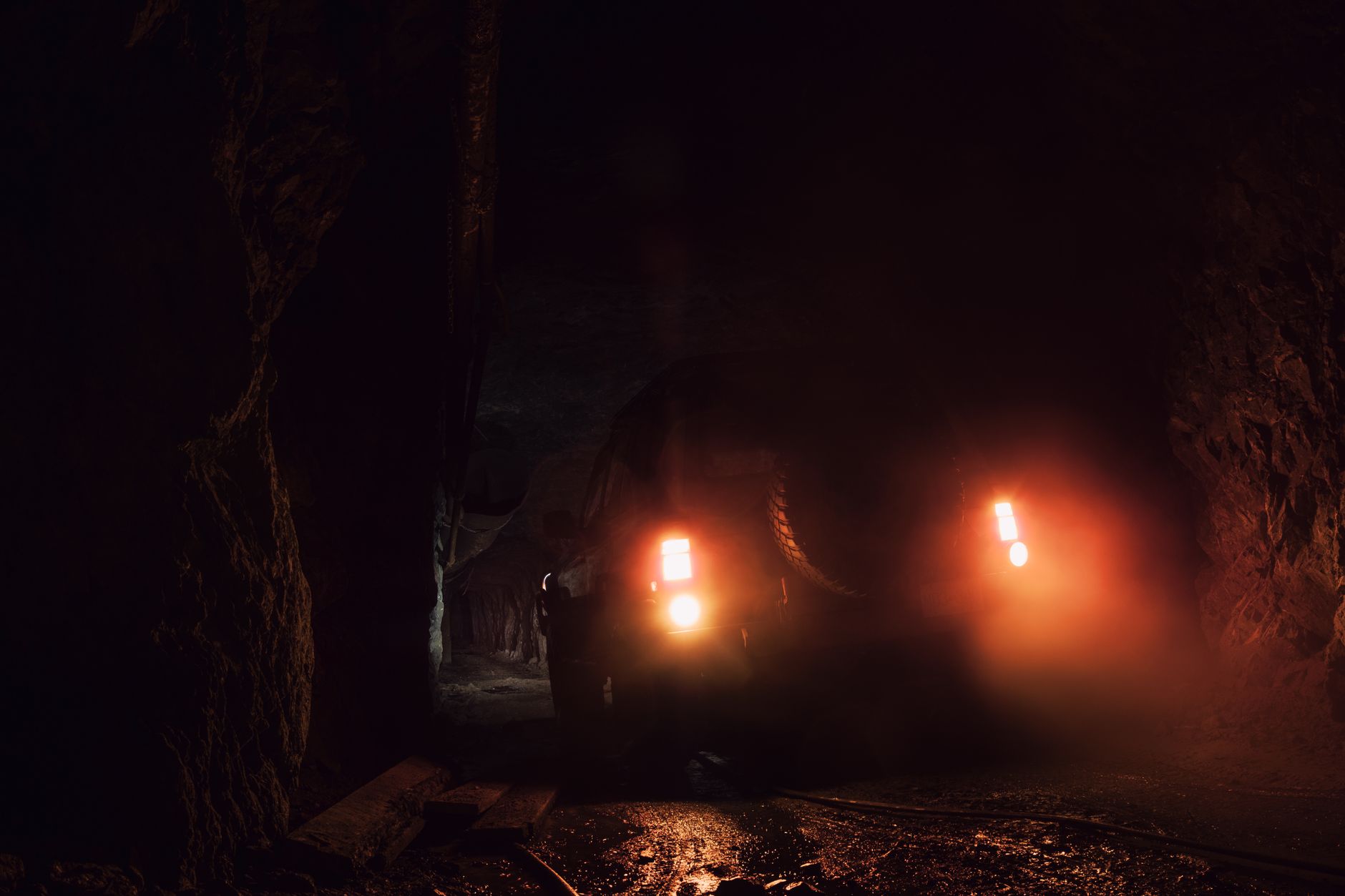
Survey crews were working at the edge
In the conventional boom-and-scanner method, surveyors had to work within one to three feet of an open-stope brow. That is close to the void, close to the hazard, and close to a task that still demanded clean data from active headings.
The operation still needed cavity mapping inside open stopes, and it needed it without giving up survey quality. The documented field evaluation centered on a familiar mining tradeoff: how to move faster underground while pulling crews farther back from the brow.
- Survey active headings inside open stopes
- Reduce exposure at the brow during cavity mapping
- Preserve survey quality while shortening underground time
A live side by side field evaluation
The public account does not present the rollout as a lab exercise. An outside consulting group spent two days underground observing the survey team use an autonomous LiDAR drone in live cavity mapping work and comparing it directly with the conventional boom-and-scanner CMS method.
That matters because the comparison was grounded in active stopes and active headings, not a staged test bay. The drone was evaluated in GPS-denied underground voids while the observers tracked the measures that matter to a mine survey group: worker standoff, survey time, physical strain during setup and takedown, and how much cavity volume the scan captured.
- Observe live surveys in active stopes
- Compare autonomous LiDAR mapping against traditional CMS work
- Measure standoff distance, survey speed, and captured cavity volume
- Note reduced physical strain in setup and takedown
Faster surveys, wider standoff, fuller void data
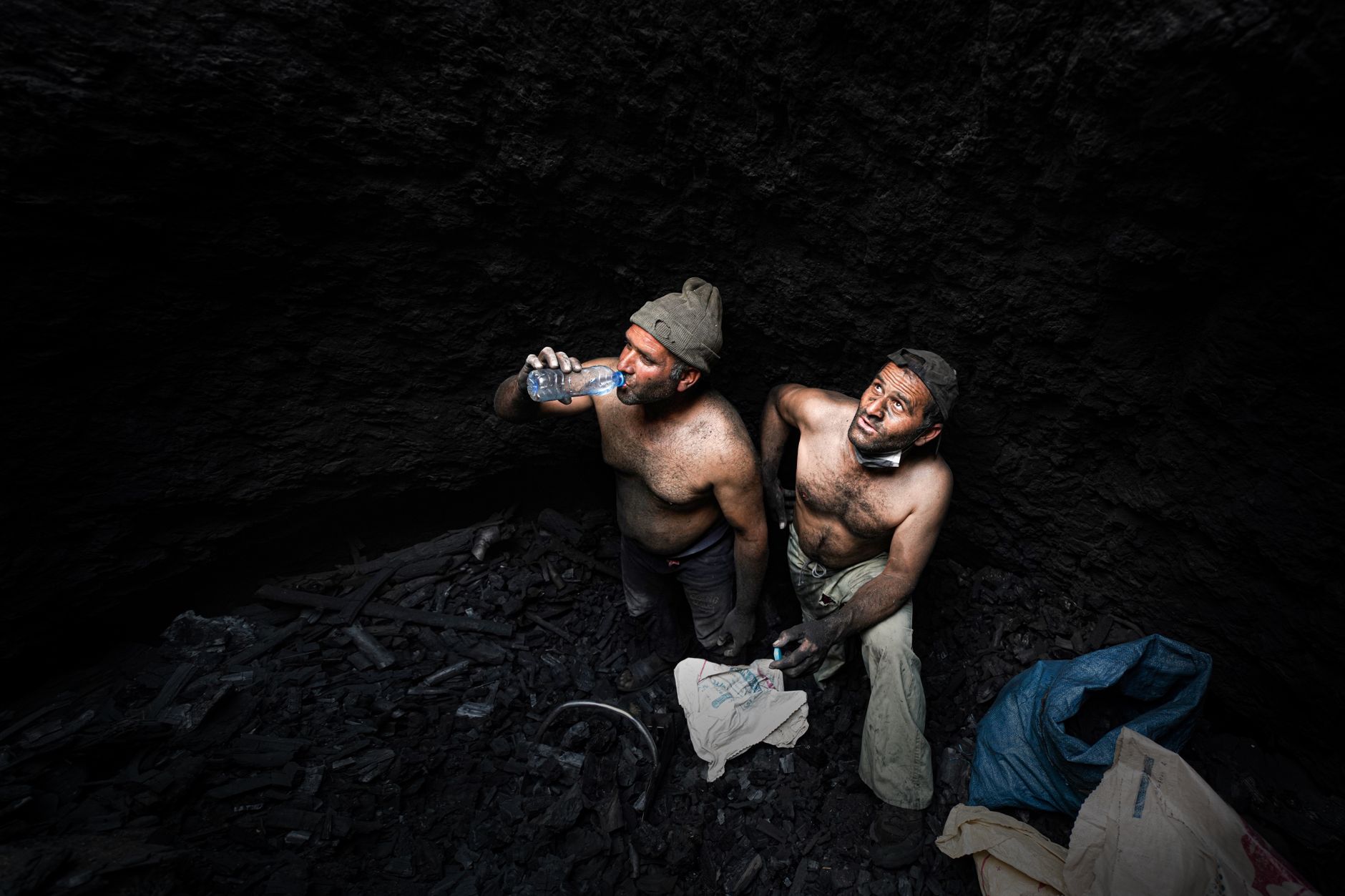
The autonomous LiDAR drone completed underground surveys 45% faster than the conventional method. In the same cavities, it realized 24% more volume, suggesting that the scan reached geometry the legacy process left behind.
Safety moved in the same direction. Worker standoff increased from one to three feet at the brow to more than 50 feet, and the evaluation also reported reduced physical strain in setup and takedown. Those gains reinforce each other in underground work where access, exposure, and data quality are tightly linked.
What this means for mining operators
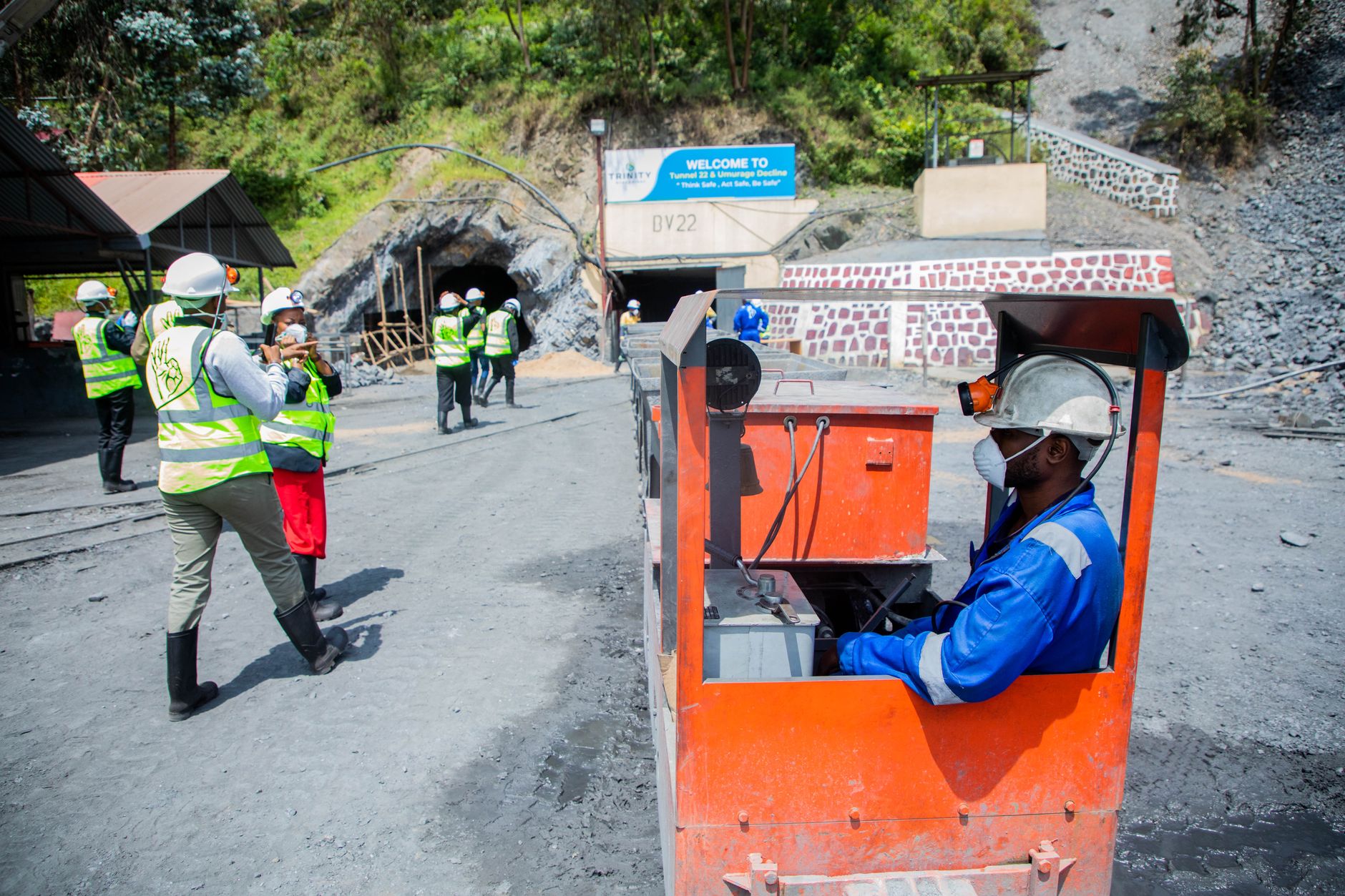
This is a documented real-world deployment, not a Service Robot Co. project. The lesson is practical: inspection robot leasing and commercial robot leasing only pay off when the machine fits the mine, the scan task, and the support burden after go live. A robot pilot program and commercial robot demo should test the hard parts first, route geometry, brow standoff, data handoff, and failure recovery.
Service Robot Co. is a full-service, OEM-neutral commercial robot integrator for US businesses. We help operators compare purchase or lease, robot leasing for business, robot leasing monthly, and leasing structures, then handle site assessment mapping, robot deployment and integration, training, remote triage, on-site dispatch, and a robot maintenance service plan through a nationwide US engineer network.