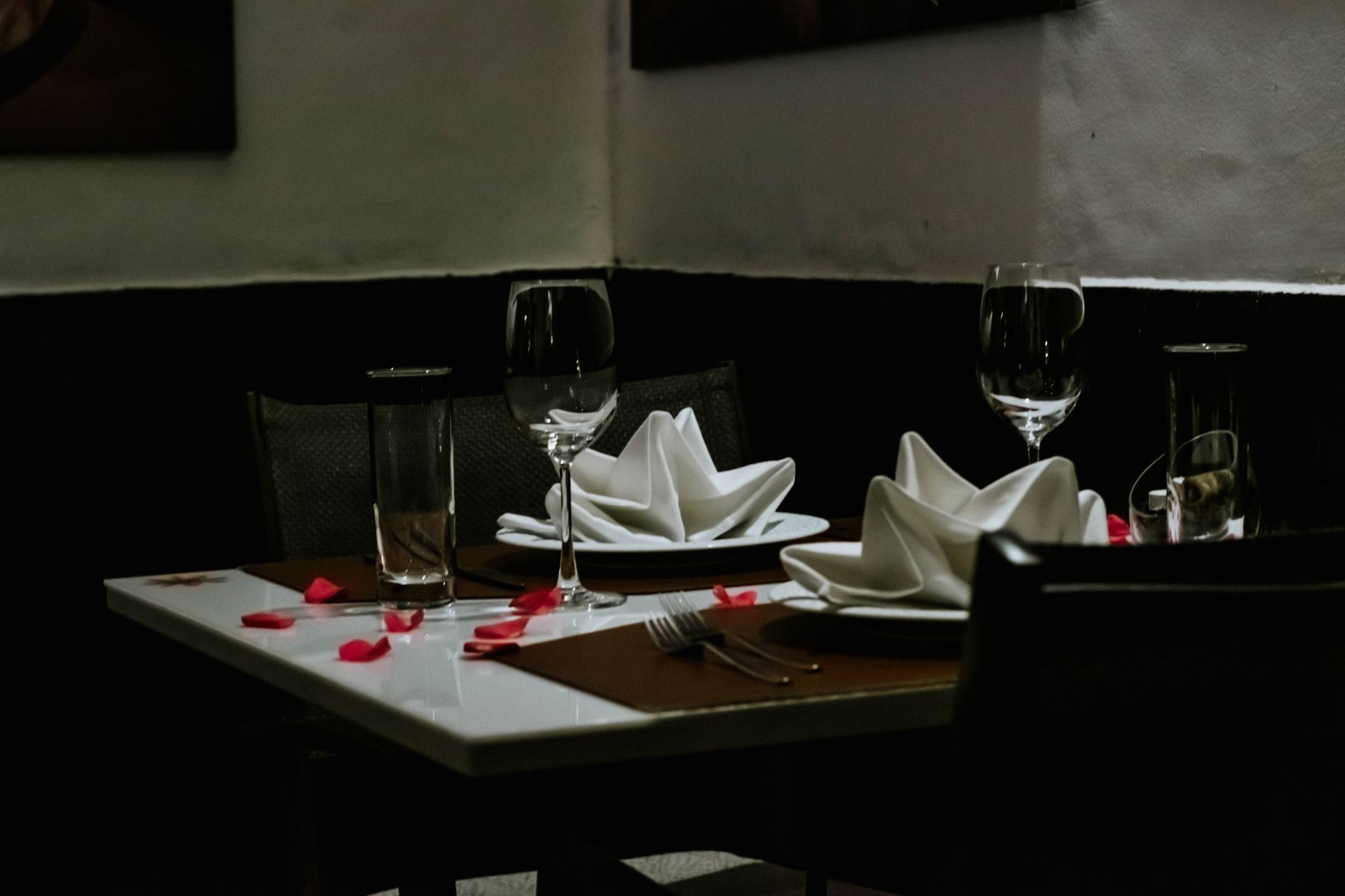
an all-you-can-eat grill restaurant with counter and table seating
Unlimited Grill Case Study: 1 to 2 Minutes Faster Table Resets
A documented unlimited-grill deployment used a tray delivery robot for dish clearing, cutting table resets by 1 to 2 minutes and staff round-trips.
- 1 to 2 min
- Faster table resets
- 4.5 to 2.9
- Staff round-trips
- 3 to 1
- Observed reset trips
- 500+/day
- Daily table visits
Based on a documented real-world deployment. Figures are from public reporting; the organization is not named.
Where the Bottleneck Hid
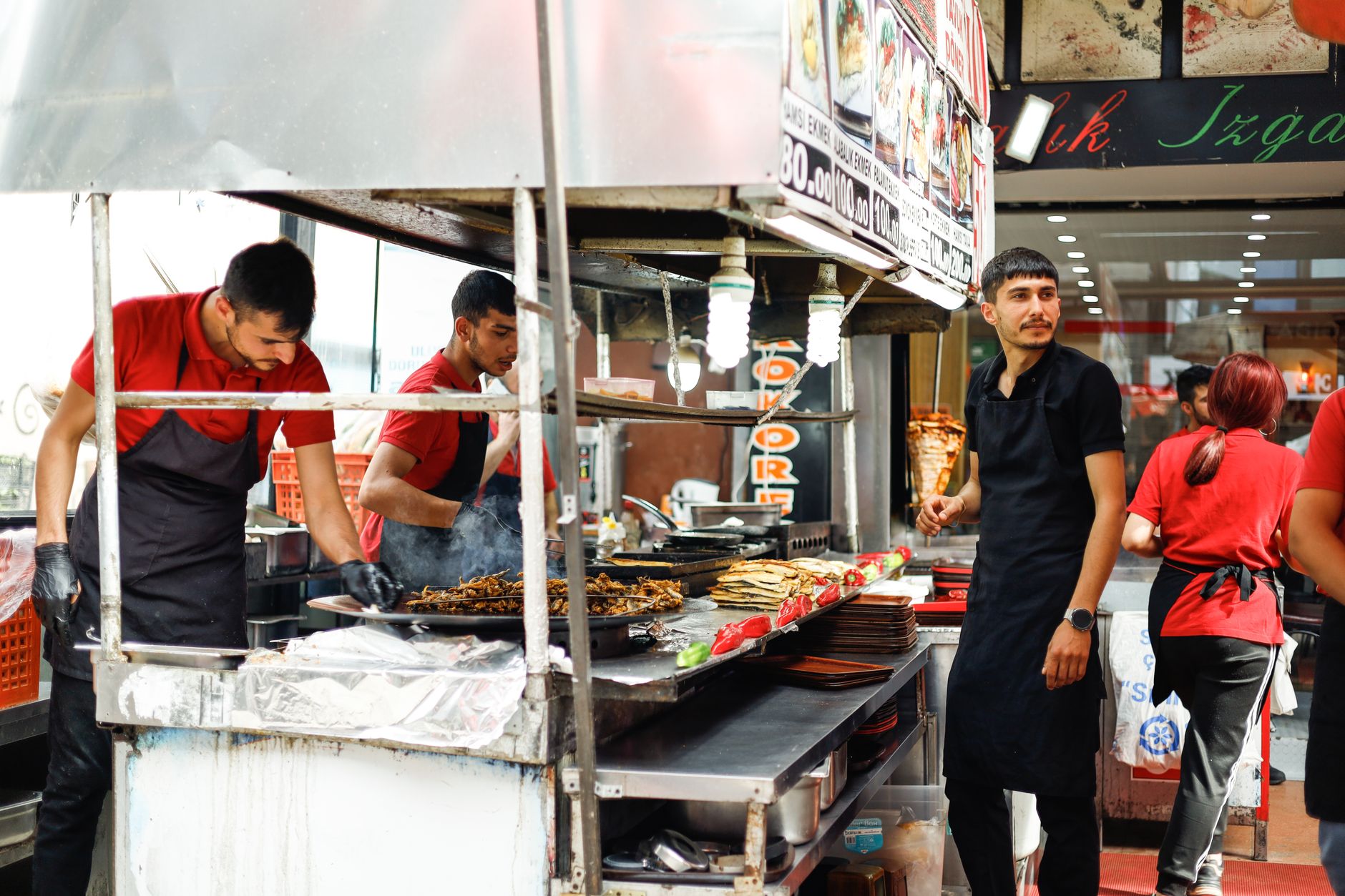
The drag was not simply getting food out. In an all-you-can-eat grill format, used plates and cups build up fast while guests keep ordering, so the table gets crowded during the meal and the reset after checkout becomes heavier and slower.
The documented restaurant also had both counter and table seating, and not every seat could be reached by a fixed express lane. That left the operation looking for a noncontact way to keep dish flow moving without piling even more staff walking into the dining room.
- Used dishes accumulated quickly in an unlimited-format meal.
- Some seats could not be served by a fixed lane.
- Reset labor and guest waiting were linked to dish buildup, not just food speed.
How the Robot Was Used

The restaurant did not force the robot into every task. After testing and verification, it assigned the tray delivery robot to a dedicated role: collecting finished dishes, the recurring friction point in this format.
The public case study says the robot stopped for 20 seconds at one table, then 20 seconds at the next, looping the dining room so guests could load used plates and cups during the meal. The same source says food delivery averaged 1 to 2 dishes per trip, so fixed-lane service remained the faster path for food while the robot handled accumulation and backhaul.
The source does not spell out a training calendar or service contract. What it does make clear is the operating logic: keep the robot on a repeatable bussing route, let staff spend fewer trips on dish retrieval, and clear tables before the reset rush begins.
- Identify the tables where fixed-lane service could not cover the room.
- Test roles and settle on a bussing-first pattern.
- Run repeated dining-room loops with 20-second table stops.
- Let guests load finished plates and cups during the meal, then let staff reset with less leftover clutter.
What Changed on the Floor
Measured table-reset time moved first. In the weekend period after 8 pm, the restaurant had been averaging 7 minutes 10 seconds to clear and reset a table. After regular in-meal dish collection began, that reset time was cut by 1 to 2 minutes per table.
Labor motion dropped as well. Average staff round-trips to tables went from 4.5 to 2.9, and in a Saturday lunch measurement the reset process was shortened by more than 2 minutes while clearing trips fell from 3 to 1.
The documented operation also describes the robot making more than 500 table rounds in a day. That cadence helps explain the result: dirty dishes stopped snowballing between guest visits, so the final reset became lighter, quicker, and less physical for staff.
What This Means for Service Robot Co.
This is not a Service Robot Co deployment. It is a documented restaurant example that shows why a restaurant delivery robot lease, busser robot, or food runner robot program should be designed around the slowest motion in the room. Here, the payoff came from dish flow and reset labor, not from trying to turn each trip into food running.
For US operators, that is where a vendor neutral robot integrator matters. Service Robot Co selects the robot that fits the floor, then handles robot deployment and integration, financing, training, and service through the same partner. If a food service robot lease is under consideration, the real test is operational fit, support quality, and whether dependable support and on-site dispatch keep the dining room steady when volume spikes.
A proper commercial robot demo or free site assessment should examine bussing routes, guest handoff behavior, lane conflicts, and reset labor before anyone commits to robot leasing for business. That is the practical lens behind this case study, and it is more useful than treating the robot as a novelty item.