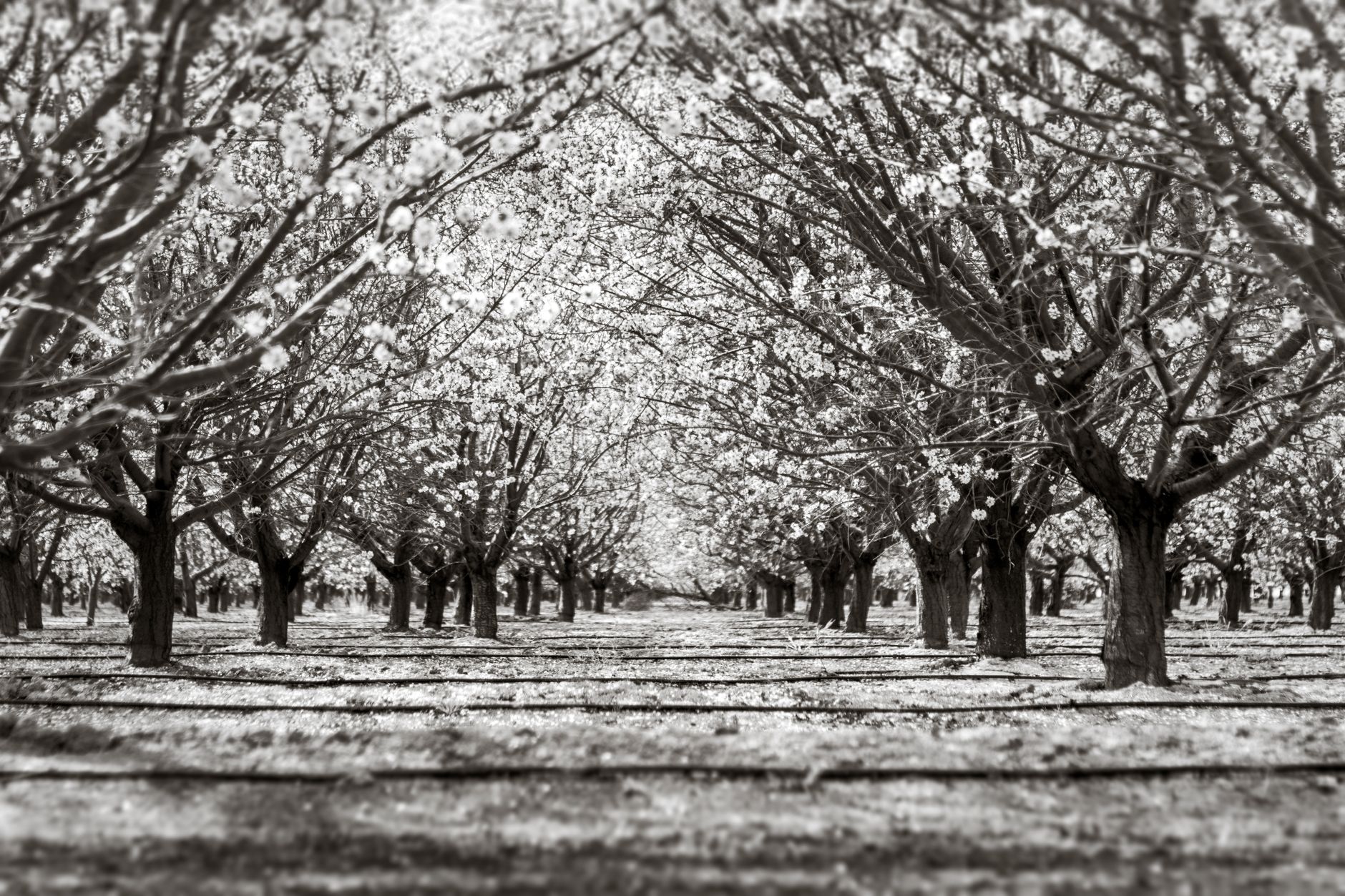
a commercial almond orchard participating in a multi-year field trial
Almond Orchard Case Study: 89% Less Fruit Loss in Trial Blocks
A commercial almond orchard in a multi-year field trial cut fruit loss 89% in monitored blocks as a robotic bird-deterrent drone displaced birds 94%.
- 89%
- less fruit loss
- 94%
- bird displacement
- 3 years
- project horizon
Based on a documented real-world deployment. Figures are from public reporting; the organization is not named.
Bird Pressure Was Eating Into Marketable Yield
For a commercial almond orchard participating in a multi-year field trial, bird pressure was not a minor nuisance. The project record frames it as a significant challenge for growers, with crop loss at stake in high-pressure blocks.
The broader program exists for a reason. Traditional bird deterrence often loses force as birds adapt and return to the same sites, which turns bird management into a season-long contest instead of a temporary scare event.
That operating reality matters in orchards. The fruit is already grown, and the job is to protect yield before harvest without breaking the rhythm of day-to-day farm work.
- Protect fruit that is already on the trees before harvest.
- Reduce repeat bird activity in high-pressure orchard areas.
- Find a deterrent that can fit into normal orchard operations across the season.
Trial the Predator Effect, Then Build From Evidence
The documented program placed a robotic bird-deterrent drone inside a live, ongoing three-year horticulture project rather than a lab exercise. In the almond work, the team monitored trial blocks and evaluated both crop outcomes and bird behavior after drone engagement.
The public record also shows a phased path. Early orchard results informed the next phase, which will use more concentrated management approaches, longer engagement periods, larger production areas, and tighter integration with existing bird-management practices.
What the public record does not spell out is just as important. It does not publish operator training, service intervals, or maintenance procedures, so those details should stay out of the claim set and inside buyer due diligence.
- Run the technology in live orchard conditions inside monitored trial blocks.
- Measure fruit loss and bird displacement, not just flight activity.
- Track whether birds keep responding over time, not only on the initial passes.
- Use early findings to shape the next phase and fit the drone into existing bird-management practices.
The Orchard Saw Real Movement Where It Counted
Within monitored trial blocks, the robotic bird-deterrent drone produced an 89% reduction in fruit loss. The same trial reported a 94% bird-displacement rate following engagement, showing the machine altered bird behavior where the crop was exposed.
The published record says effectiveness increased throughout the trial period and showed no signs of habituation. That is a serious result in bird control, because many deterrents fade once birds learn the pattern.
These are early findings from an ongoing three-year program, not a finished playbook for every orchard. Even so, the evidence shows that a credible aerial predator can materially reduce loss in a high-pressure almond setting.
What This Means for US Growers Evaluating Robots
This was not a Service Robot Co. deployment, and it should be read as a documented field example, not a client claim. Its value is practical: when a robot is matched to the biology of the pest, the crop calendar, and the farm's operating routine, the result can move from novelty to yield protection.
That is where a vendor neutral robot integrator matters. Service Robot Co. selects the right robot across manufacturers, handles robot deployment and integration, trains the crew, and carries service through a nationwide US engineer network so the grower is not stitching hardware, financing, and field support together alone.
For operators considering a robot pilot program, the buying question is broader than airframe performance. Service Robot Co. can structure purchase or lease and monthly payment programs around deployment, training, and support, so the pilot has a clear path into everyday operations.