
an aluminum-profile and die-cast parts factory in Japan
Dual-Arm Assembly Cobots Raise Output 20% in Japan
See how a Japanese aluminum parts factory used dual-arm assembly cobots to raise output 20%, reaching 6,000 sets per machine in an 8-hour shift.
- 20%
- productivity increase
- 6,000 sets
- per machine per shift
- 4.5 sec
- feed cycle
- 5 cells
- automation modules
Based on a documented real-world deployment. Figures are from public reporting; the organization is not named.
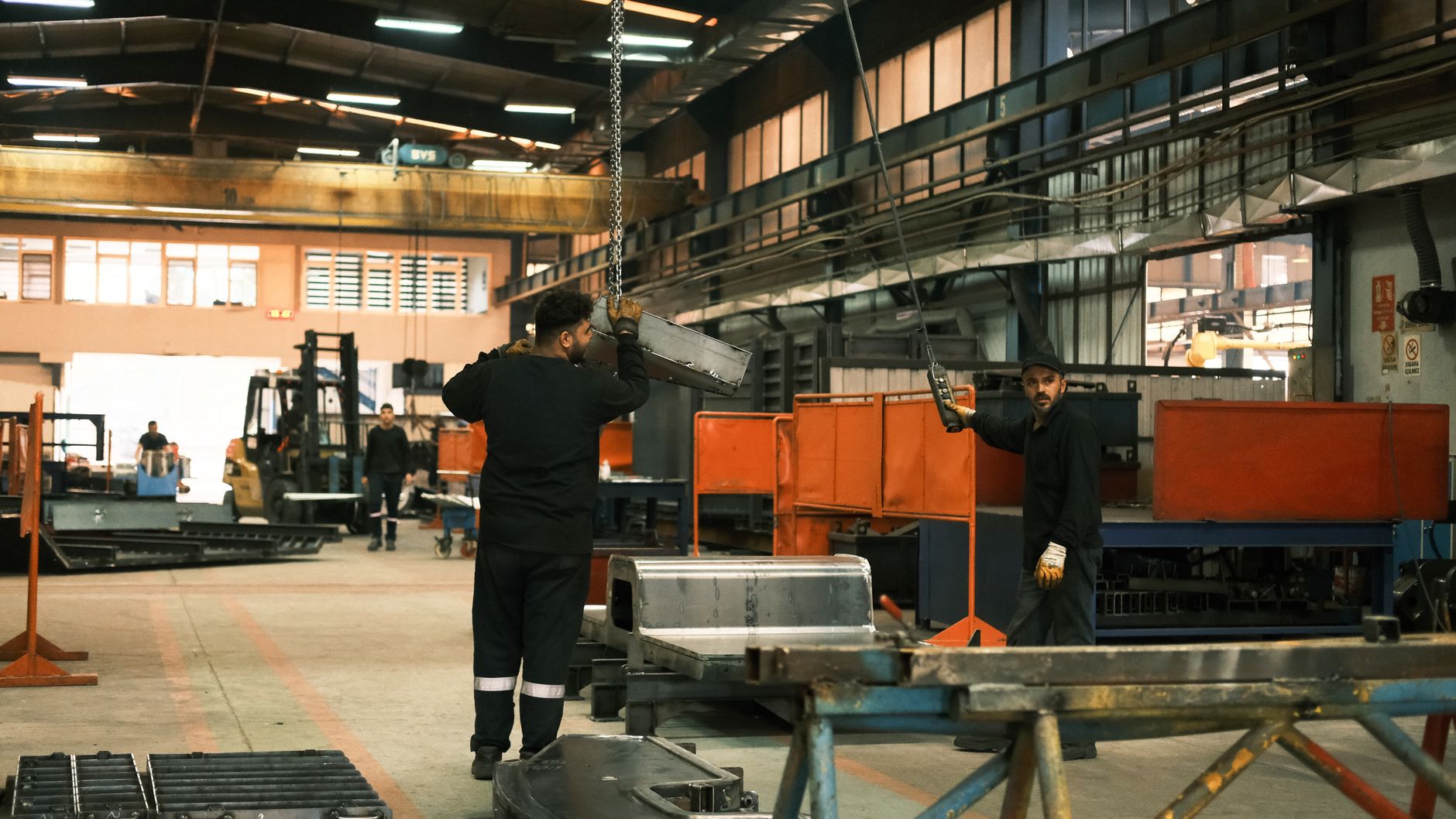
A repetitive process with uneven output
At an aluminum-profile and die-cast parts factory in Japan, operators manually loaded and unloaded dedicated assembly machines. The work was monotonous, difficult to staff, and demanding enough that recruiting, training, and retaining people became a persistent constraint.
Production also fluctuated with operator skill. Beyond the staffing problem, the inner connector's spiral geometry required a controlled twisting motion during preassembly, and the factory needed confidence that automation could sustain output while accommodating future product changes.
- Reduce dependence on hard-to-fill repetitive feeding work.
- Stabilize production across differences in operator skill.
- Reproduce the connector's twisting motion reliably.
- Verify production capacity before committing to the equipment.
Prove the motion, then engineer the cell
The project began with a physical assembly test using simple jigs and a representative work area. That trial confirmed that a dual-arm collaborative robot could perform the twisting action required to join the divided die-cast parts.
Engineers then imported CAD data for the assembly machines and parts feeders into a digital simulation. They modeled the actual layout, refined robot height and motion, checked production capacity, and carried the verified programs into the production design.
The factory proceeded with five compact automation modules. Each paired one dual-arm cobot with two rotary feeders, allowing the robot to pick parts with both arms, place them on jigs, preassemble them, and feed a dedicated assembly machine. Factory engineers made the final program adjustments, preserving practical control over later modifications.
- Test the difficult twisting motion with real parts and jigs.
- Simulate the cell layout and confirm target capacity.
- Deploy five self-contained feeding and preassembly modules.
- Equip plant engineers to make final program adjustments.
More sets from fewer operating machines
The feed cycle fell from 5 seconds to 4.5 seconds. Over an 8-hour shift, output per assembly machine rose from 5,000 to 6,000 sets, delivering the documented 20% productivity increase.
The factory reduced the number of dedicated assembly machines in operation from 11 to five. The 11 people previously assigned to feeding work were reassigned to duties such as operations management, and the plant could run at night with fewer workers.
The five cells met production targets while using 50 to 60% of their maximum capacity, leaving operating headroom for demand changes. The factory expected an investment payback of approximately two years.
A practical model for US manufacturers
This is a documented real-world example analyzed by Service Robot Co. It was not a Service Robot Co. deployment and is not presented as a client engagement. Its value lies in the operating pattern: prove the hardest motion, model capacity, give plant engineers usable controls, and measure the result at the machine.
For a similar US project, Service Robot Co. serves as a vendor neutral robot integrator. The team selects equipment across manufacturers, arranges financing, manages robot deployment and integration, trains operators, and services every unit through a nationwide US engineer network. One vendor covers the full lifecycle.
That structure can support a collaborative robot arm lease, cobot leasing for manufacturing, robot leasing for business, or a financed purchase based on the site's operating needs. The equipment decision remains tied to the process, with deployment, training, remote triage, on-site dispatch, and ongoing robot maintenance service coordinated through the same partner.
Frequently asked questions
Want a robot working for you?
Tell us the job and the site. We will recommend the robot, quote the lease, and keep it serviced.