an animal-litter manufacturing plant in Poland
How an Animal-Litter Plant Raised Palletizing to 40 Tons a Shift
A Poland animal-litter plant lifted end-of-line palletizing from about 20–25 tons per shift to roughly 40 tons with industrial palletizing robots.
- ~40 t
- Per shift now
- 20-25 t
- Manual before
- ~50%
- Output lift
- ~5%
- Plant output
Based on a documented real-world deployment. Figures are from public reporting; the organization is not named.
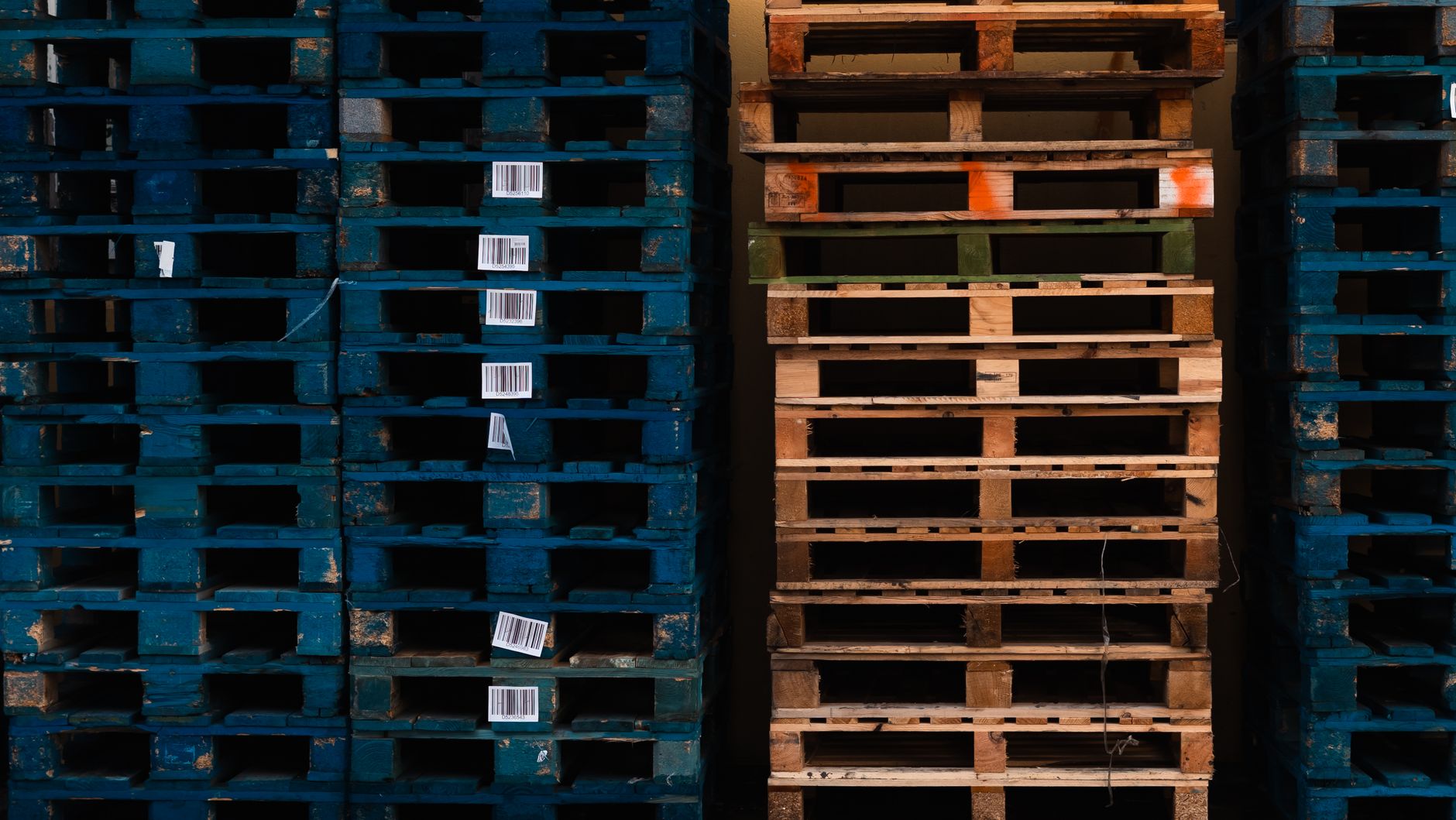
Manual stacking at the end of the line
Packaged litter left the conveyor as heavy sacks that workers stacked onto pallets by hand each shift. The operation handled on the order of three thousand sacks per shift at roughly six kilograms apiece, which made the palletizing station a strenuous bottleneck.
Leadership wanted to cut production standstills at the end of the line while moving people off the most taxing lifts and twists.
- High sack count per shift at the palletizer
- Powdery product shifts weight to the bottom of each bag
- Manual stacking limited throughput and ergonomics
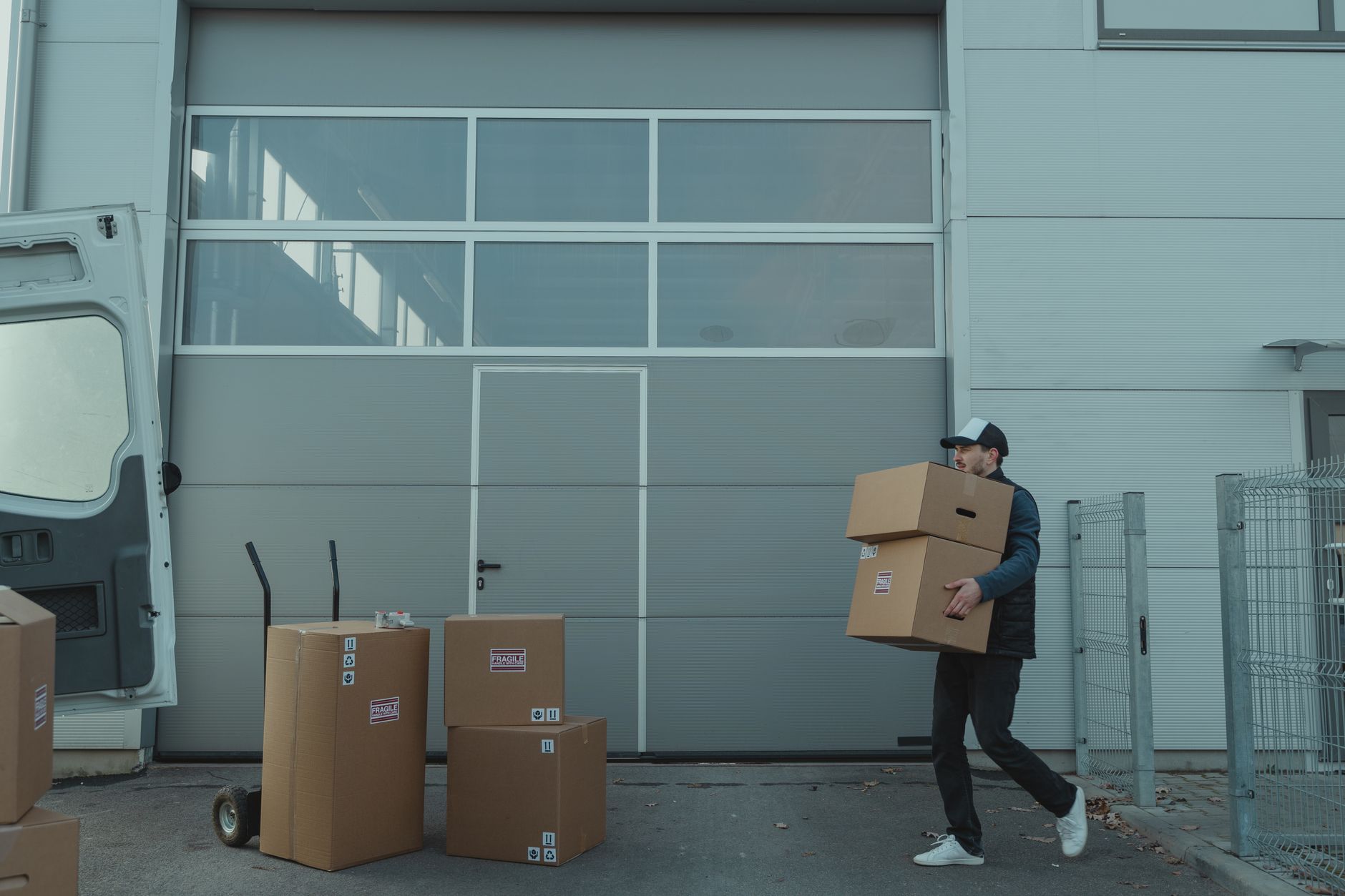
Industrial palletizers with defined layer patterns
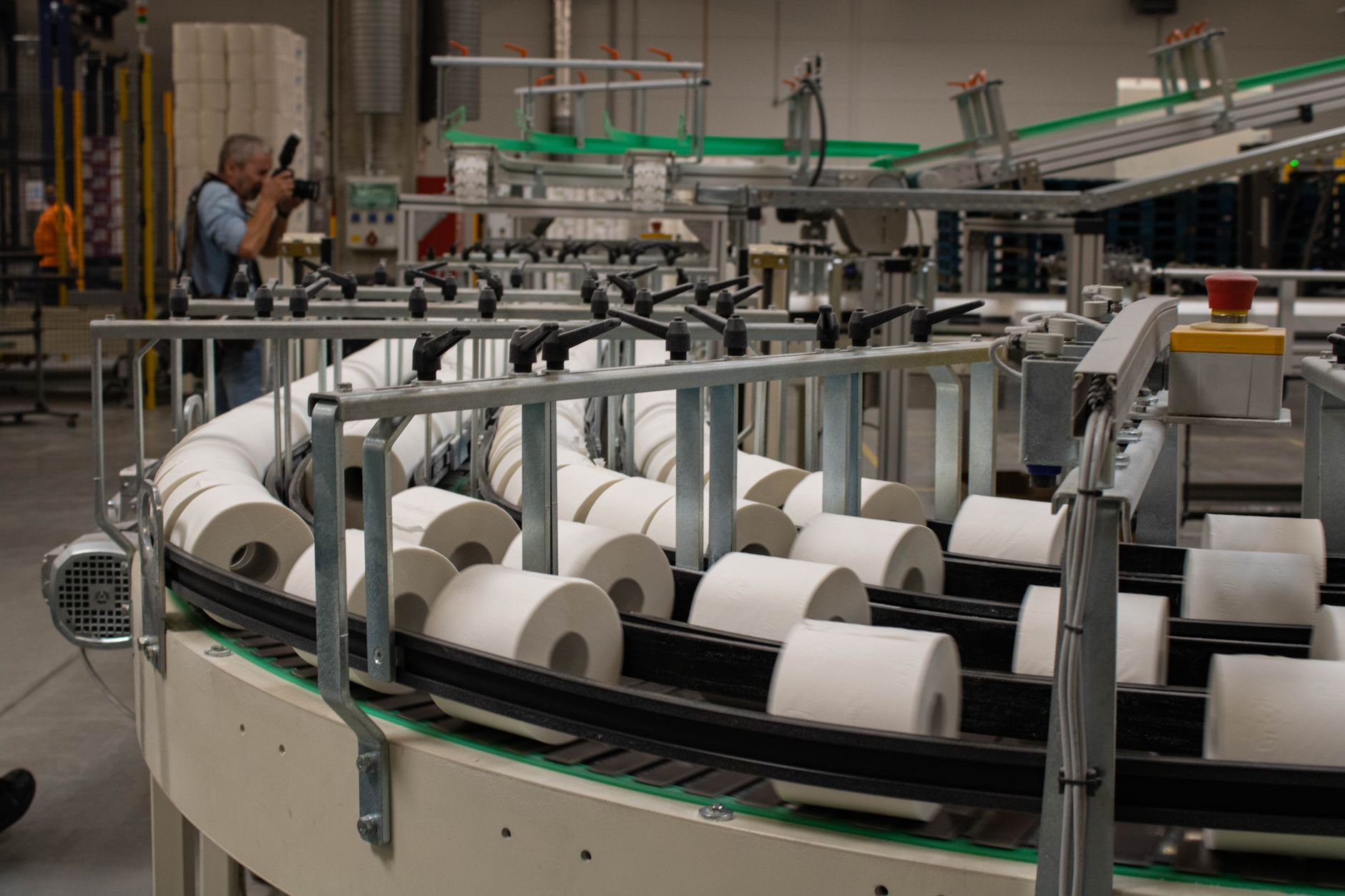
The site added two industrial palletizing robots fed from roller conveyors, stacking sacks in layers on standard europallets. Programming filled corners first, then edges, then the middle of each layer, alternating orientation layer to layer so powdery contents stacked safely.
Integrators tuned cycle times for five liter and ten liter bag formats with different layer counts per pallet.
- Pick sacks from the outbound conveyor
- Stack to corner-edge-center pattern per layer
- Alternate bag orientation by layer for stability
Roughly double the tonnage palletized per shift
Before automation, workers palletized about twenty to twenty-five tonnes of goods per shift. After go-live, the robotic cell handled about forty tonnes in the same shift window, close to a fifty percent increase in palletizing output on the documented comparison.
Overall plant production rose by about five percent, and employees moved from physically stressful stacking to less demanding tasks elsewhere on the line.
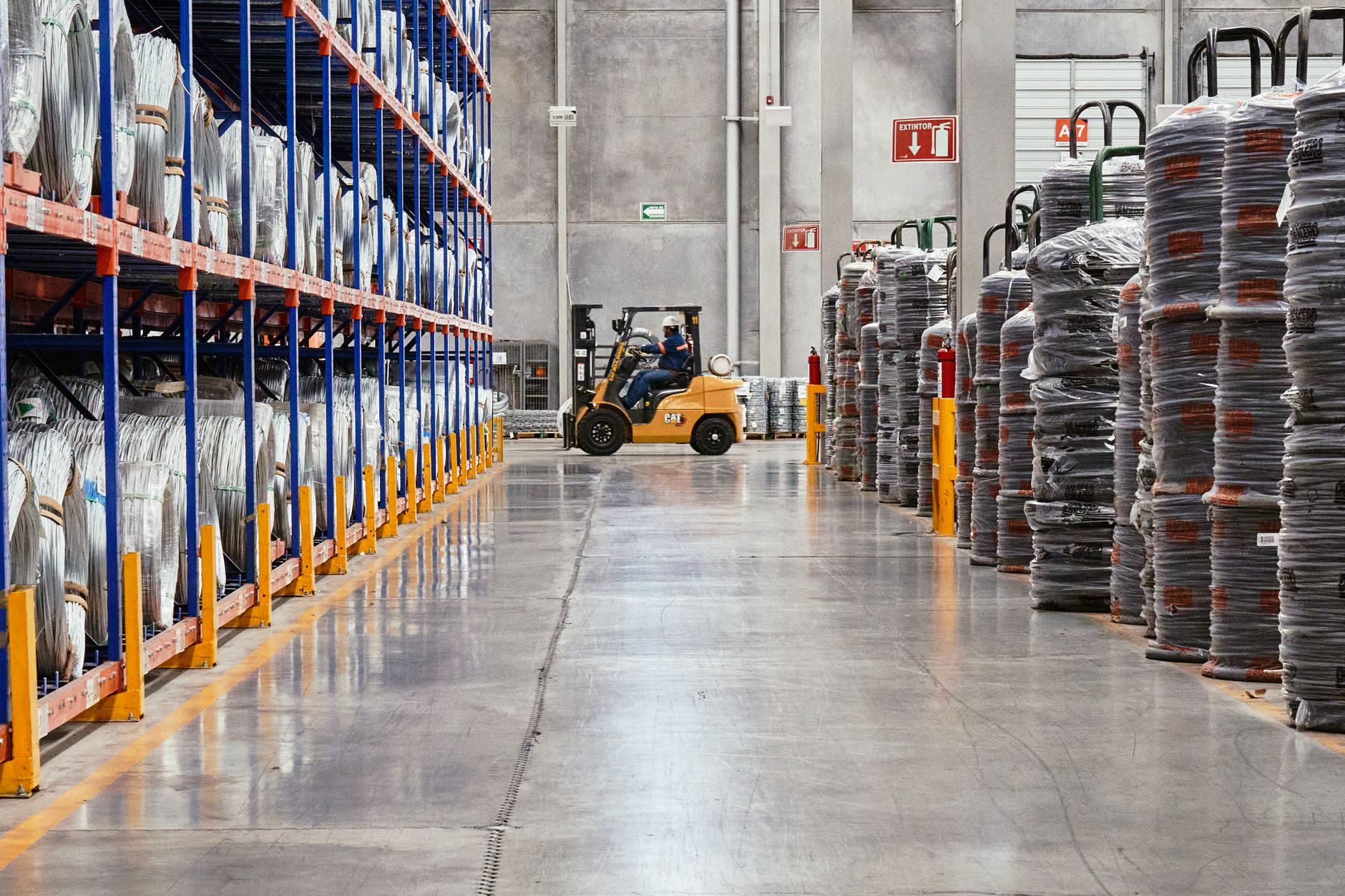
What pet and consumer goods plants can take from this example
This is a documented real-world outcome, not a Service Robot Co. client project. It shows why bagged product lines look at palletizing robot rental or purchase when manual stacking caps shift tonnage.
Service Robot Co. is a vendor-neutral integrator that selects palletizing robots across manufacturers, then finances, deploys, integrates, trains, and services them through a nationwide engineer network.
A month to month palletizing robot pilot can prove one shift loop before you add a second cell for higher bag counts.