a North American third-party logistics operator fulfilling premium apparel and footwear from an Ontario, California warehouse
How an Apparel 3PL Raised Pick Productivity 160% With Mixed AMRs
A California apparel 3PL reported a 160% pick productivity gain after deploying a mixed AMR fleet and cutting WMS integration from six months to about two weeks.
- 160%
- pick gain
- 370K
- peak units
- 2 wks
- integration
- 18
- warehouses
Based on a documented real-world deployment. Figures are from public reporting; the organization is not named.
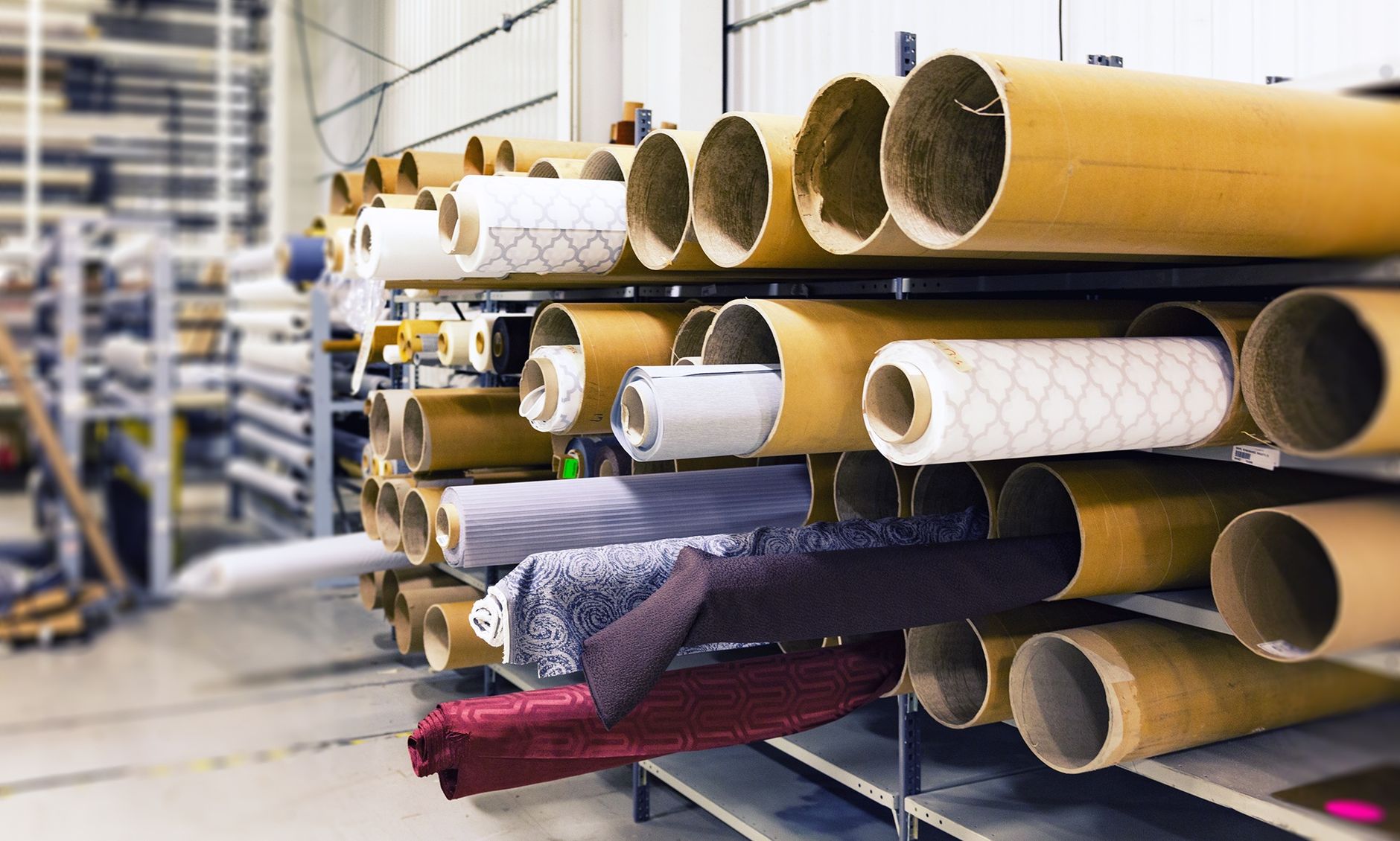
Peak apparel volume without peak hiring
The operator fulfills premium apparel, footwear, and accessories across eighteen North American warehouses and can ship up to three hundred seventy thousand units during peak windows. Pick paths stayed labor intensive as SKU counts and return rates climbed.
Leadership wanted automation that could scale with fashion seasonality without a six month IT project every time a site added robots. Associates needed a workflow that still felt like familiar scan and place picking.
- High peak unit counts across a multi-site 3PL network
- Manual travel dominating pick labor in the Ontario fulfillment building
- Long WMS integration timelines blocking robot pilots
Mixed AMRs tied to the WMS quickly
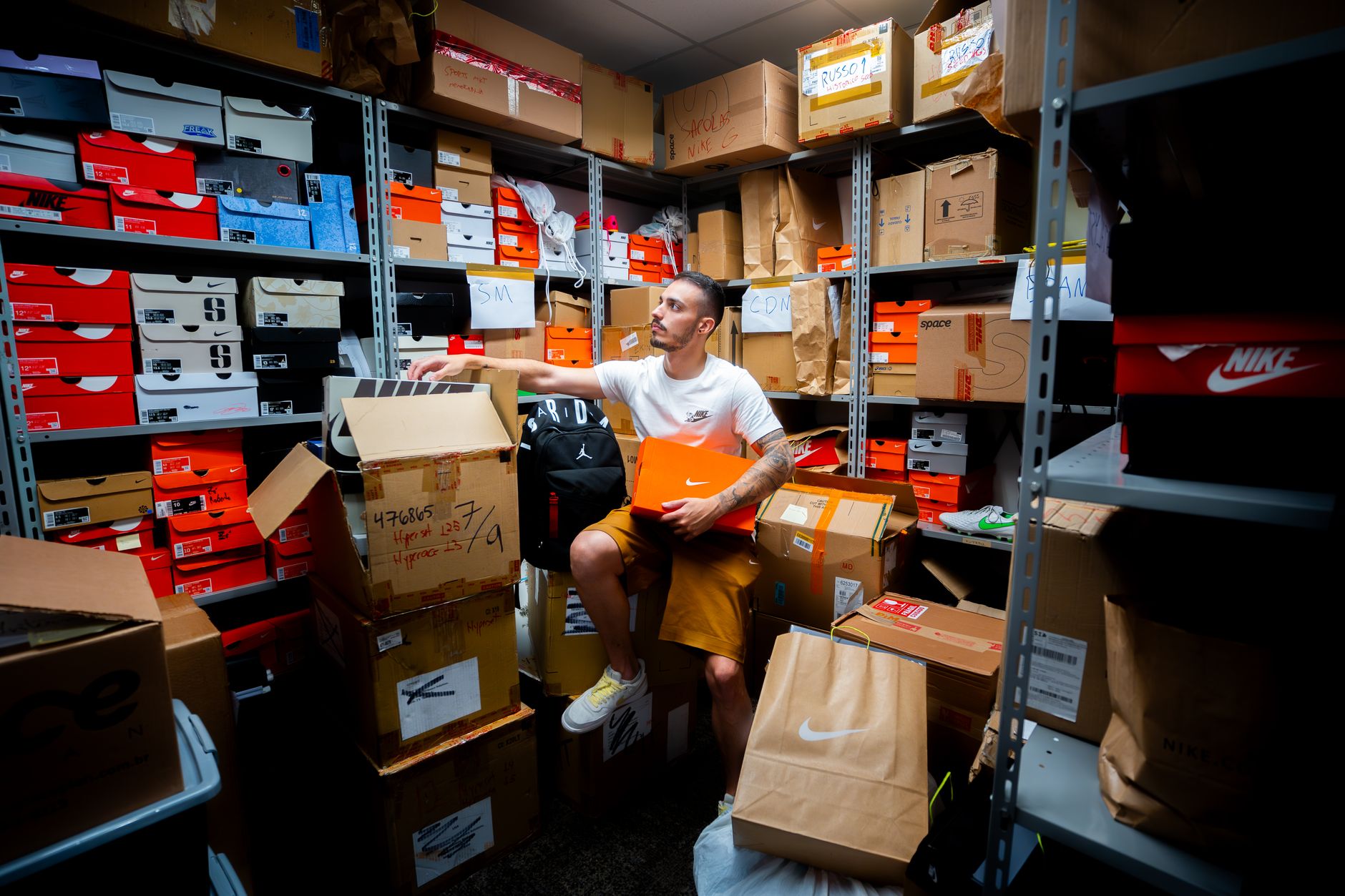
The Ontario, California site deployed a heterogeneous fleet of autonomous mobile robots so different pick zones could use the right cart or tote behavior. Integrators connected both robot platforms to the existing warehouse management system through reusable software adapters.
Deployment compressed from a typical six month integration window to about two weeks, which let supervisors test robots before the next peak curve. Training stayed short because pickers still met robots at the pick face instead of pushing carts across the building.
- Pilot mixed AMR types for apparel and footwear pick modules
- Integrate robots with the live WMS in roughly two weeks
- Keep associates at pick faces while robots handle travel
Documented productivity lift
Site leadership reported about a one hundred sixty percent gain in productivity after go live. Supervisors described pick rates rising by roughly ten units per hour per associate once robots owned the horizontal moves.
Monitoring and alerting on robot missions reduced downtime surprises during peak weeks. The network can now add AMR capacity at additional buildings without repeating a half year integration project.
What this means for your fulfillment site
Fashion and footwear peaks punish any site that hires late or trains slowly. Warehouse robot rental with a short integration path lets you prove AMRs on one module before you expand fleet wide.
Service Robot Co. stays vendor neutral on AMR rental and cart-towing options, then handles site assessment mapping, WMS coordination, and maintenance included service through a nationwide network of regional engineers. One partner covers finance, deployment, and robot maintenance service plan coverage so peak season is not also integration season.