a Canadian apparel distribution center
How an Apparel DC Cut Peak Shifts From 12-14 Hours to 8-9
A Canadian apparel distribution center used zone-picking AMRs to lift pick rates toward 70-75 lines per hour and shorten peak shifts without changing its warehouse layout.
- 70-75
- Lines per hour peak
- 50%
- Faster new-hire training
- 8-9 hr
- Peak shift length
- 130
- Active picking AMRs
Based on a documented real-world deployment. Figures are from public reporting; the organization is not named.
Same-day pressure on manual batch picking
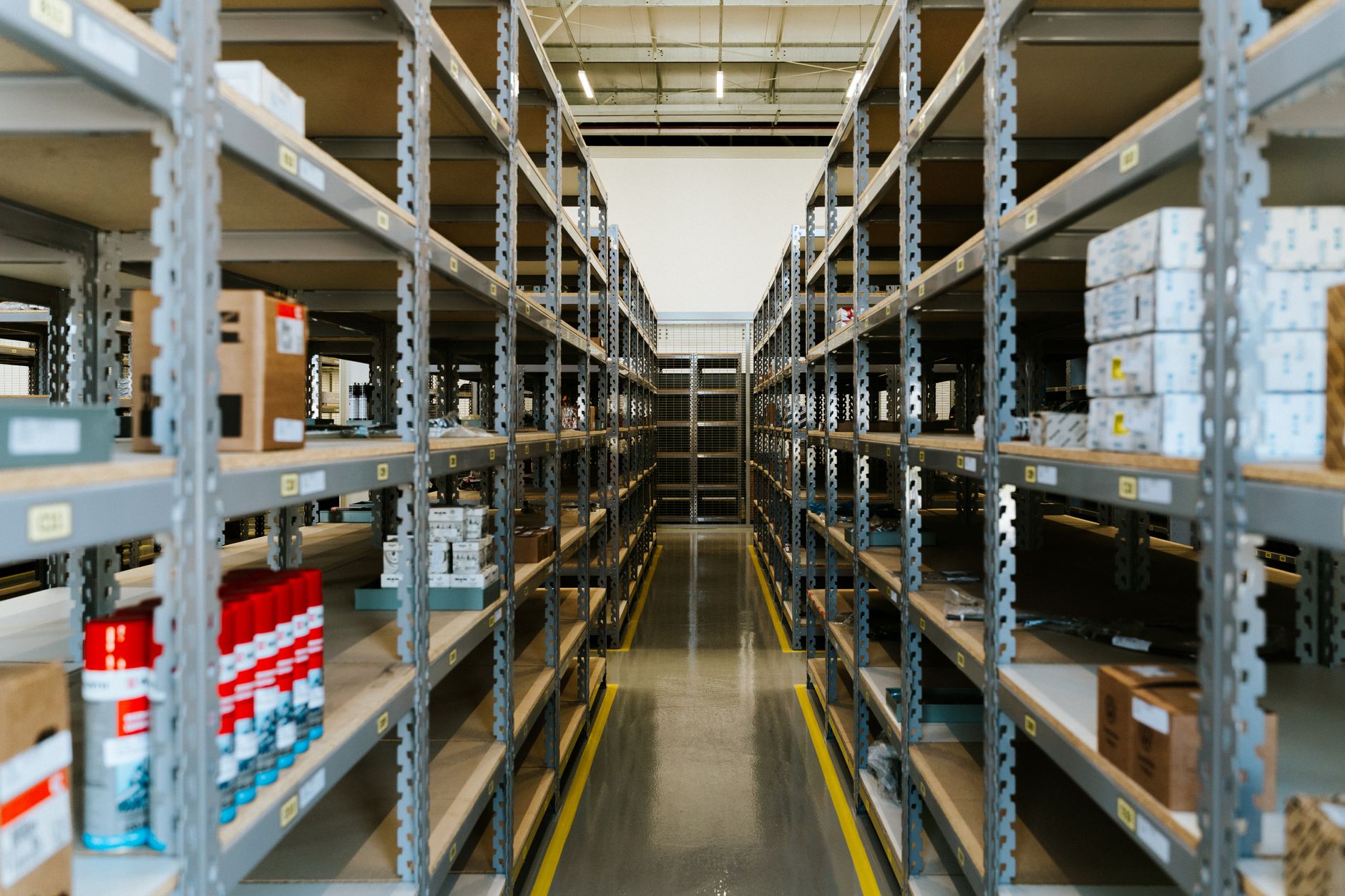
The Canadian apparel distribution center had absorbed higher volume after a major acquisition and still had to hit same-day shipping promises. Associates moved inventory with batch carts and stock chasers, which meant long walks between aisles and sort points.
Travel time and training load kept climbing as SKU counts grew. Peak weeks stretched shifts to 12-14 hours, and leaders worried the old pick model would break before the next seasonal surge.
- Manual batch picking could not keep pace with same-day shipping targets
- Long travel paths cut effective pick time per hour
- Peak weeks pushed shifts toward 12-14 hours
- Training new pickers took too long for seasonal hiring
Zone picking with a fast 49-day rollout
Leadership chose collaborative picking AMRs and a zone-based workflow so associates met robots at pick faces instead of crossing the full building. The deployment went from approval to go-live in 49 days without altering rack layout or stopping live picks during cutover.
High-velocity SKUs moved to a fast-pick strategy while tablets offered multilingual work instructions. Safety staff tracked ergonomic reports as travel dropped and pick paths shortened.
- Deploy roughly 130 AMRs in the existing footprint with no layout rebuild
- Shift from batch carts to zone-based picking with AMR meet-ups
- Use fast-pick rules on high-velocity SKUs
- Cut associate training time about in half with tablet-guided work
- Plan fleet growth toward 150 units for peak weeks

Measured throughput and shift relief
Lines per hour rose from about 48 to the 70-75 range, reported as the strongest pick rate in the operator's network at the time. One record day shipped 23,000 lines, and the site beat throughput targets within two weeks of go-live.
Peak-week volume above 100,000 lines finished in 8-9 hour shifts instead of the prior 12-14 hour marathons. Overall throughput improved about 25%, training time fell by half, and ergonomic incident reports declined year over year. Associates described less walking and less physical strain on the floor.
What this means for US distribution teams

Service Robot Co. is an OEM-neutral integrator: we match collaborative picking AMRs to your slotting and wave rules, then handle financing, deployment, training, and nationwide service as one vendor. A distribution center robot rental or month-to-month AMR pilot can prove pick rates on your SKUs before you scale fleet size.
This Canadian example was not a Service Robot Co. deployment. It shows what phased AMR fleet deployment can deliver when layout stays fixed and training is built into go-live. We use documented outcomes like these to set honest targets during a free site assessment.