a regional apparel distributor operating a distribution center in Ontario serving same-day shipping pressure
How an Apparel DC Cut Peak-Week Shifts From 14 Hours to Nine With AMRs
An Ontario apparel DC deployed AMRs in 49 days, lifting pick rates from 40 to 75 lines per hour and cutting peak-week shifts from 12–14 hours to 8–9.
- 49 days
- go-live
- 40→75
- LPH
- 25%
- throughput
- 8-9 hr
- peak shift
Based on a documented real-world deployment. Figures are from public reporting; the organization is not named.
Same-day pressure on manual picking
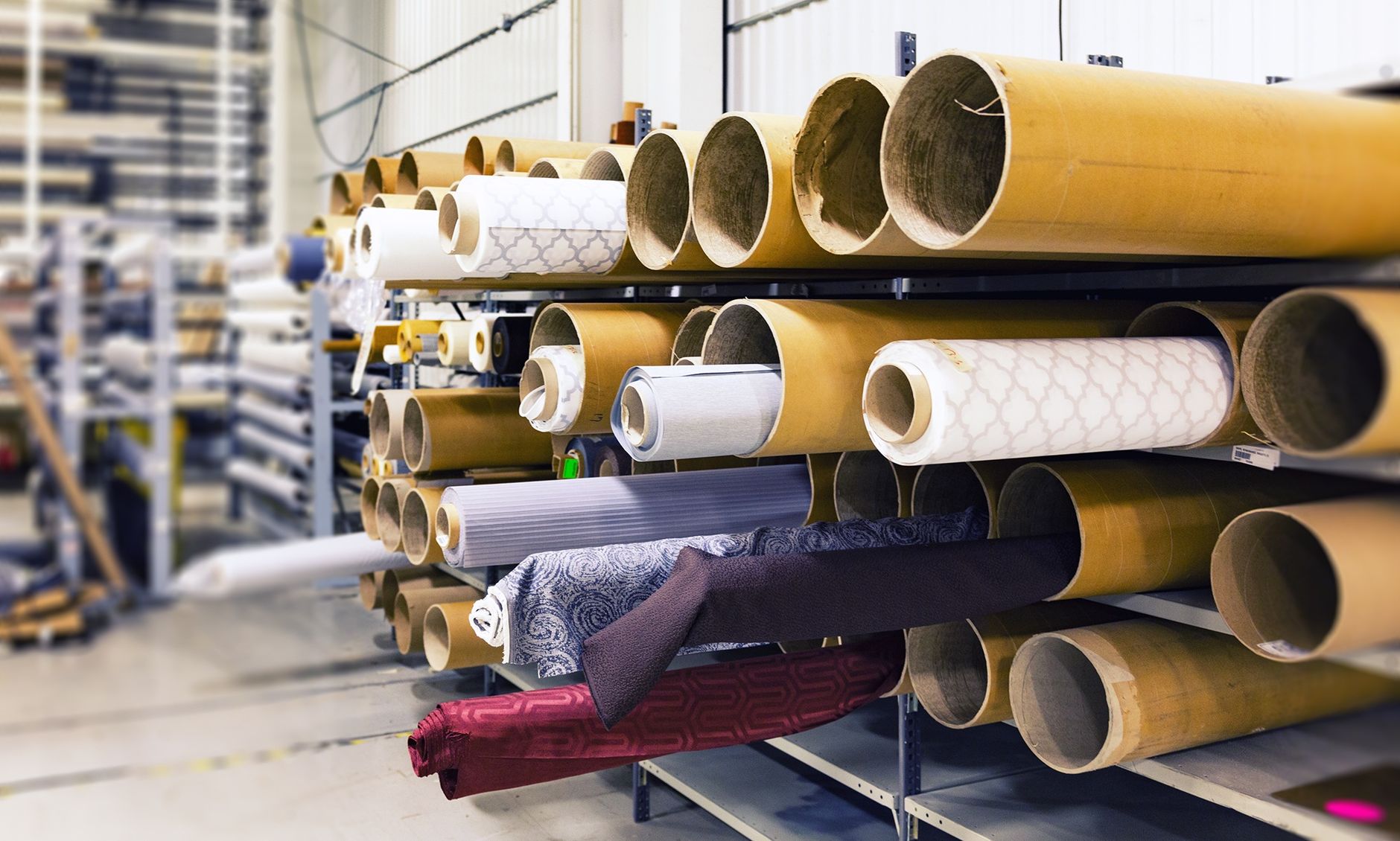
A regional apparel distributor ran a Vaughan, Ontario fulfillment center on manual batch picking with pack mules and stock chasers after absorbing a large peer operation that already relied on autonomous mobile robots elsewhere.
Travel time, training load, and physical strain climbed while customers expected same-day shipping. The old model could not stretch peak weeks without 12 to 14 hour shifts.
- Batch picking meant constant aisle walking
- Training new pickers slowed every seasonal ramp
- Peak weeks pushed shifts past sustainable lengths
Forty-nine days to zone picking

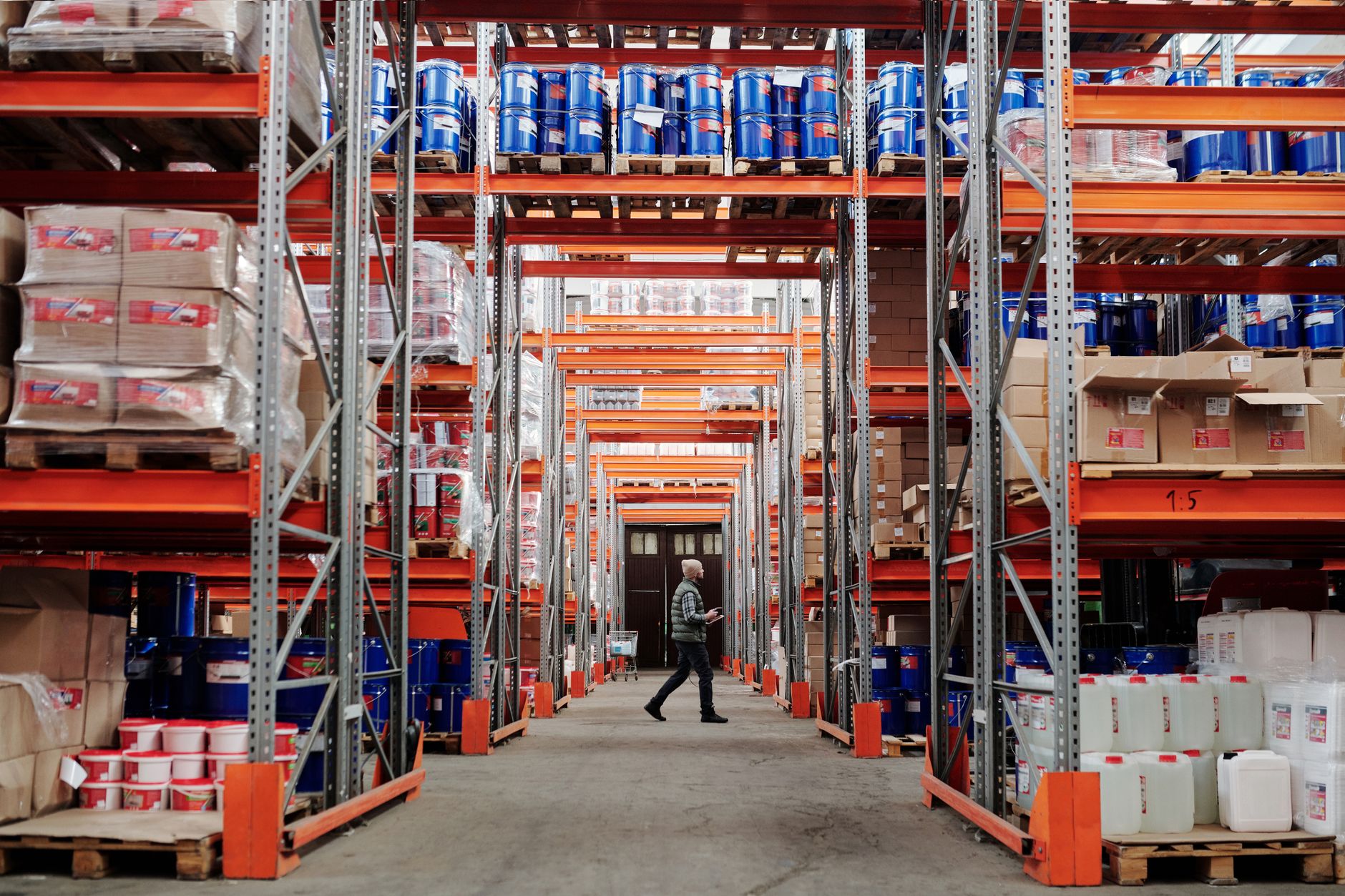
Leadership deployed autonomous mobile robots without changing the warehouse layout, moving to zone-based picking and fast-pick strategies for high velocity SKUs. Tablets guided associates in multiple languages while robots carried totes between zones.
The rollout from approval to go-live took 49 days, described in the case materials as a rapid international deployment with no disruption to active picking during implementation.
- Baseline lines per hour before robots touched live orders
- Introduce zone picking on existing slotting
- Train on multilingual tablets at the pick face
- Add fast-pick logic for top SKUs first
Shorter peaks, higher lines
Throughput improved about 25 percent and lines per hour rose from roughly 40 to 75, among the highest in the distributor network. Training time fell by half while ergonomic incident reports improved year over year.
Peak weeks that once required 12 to 14 hour shifts completed more than 100,000 lines in 8 to 9 hour days. The site also logged a single-day record above 23,000 lines within two weeks of go-live.
What this means for your apparel floor
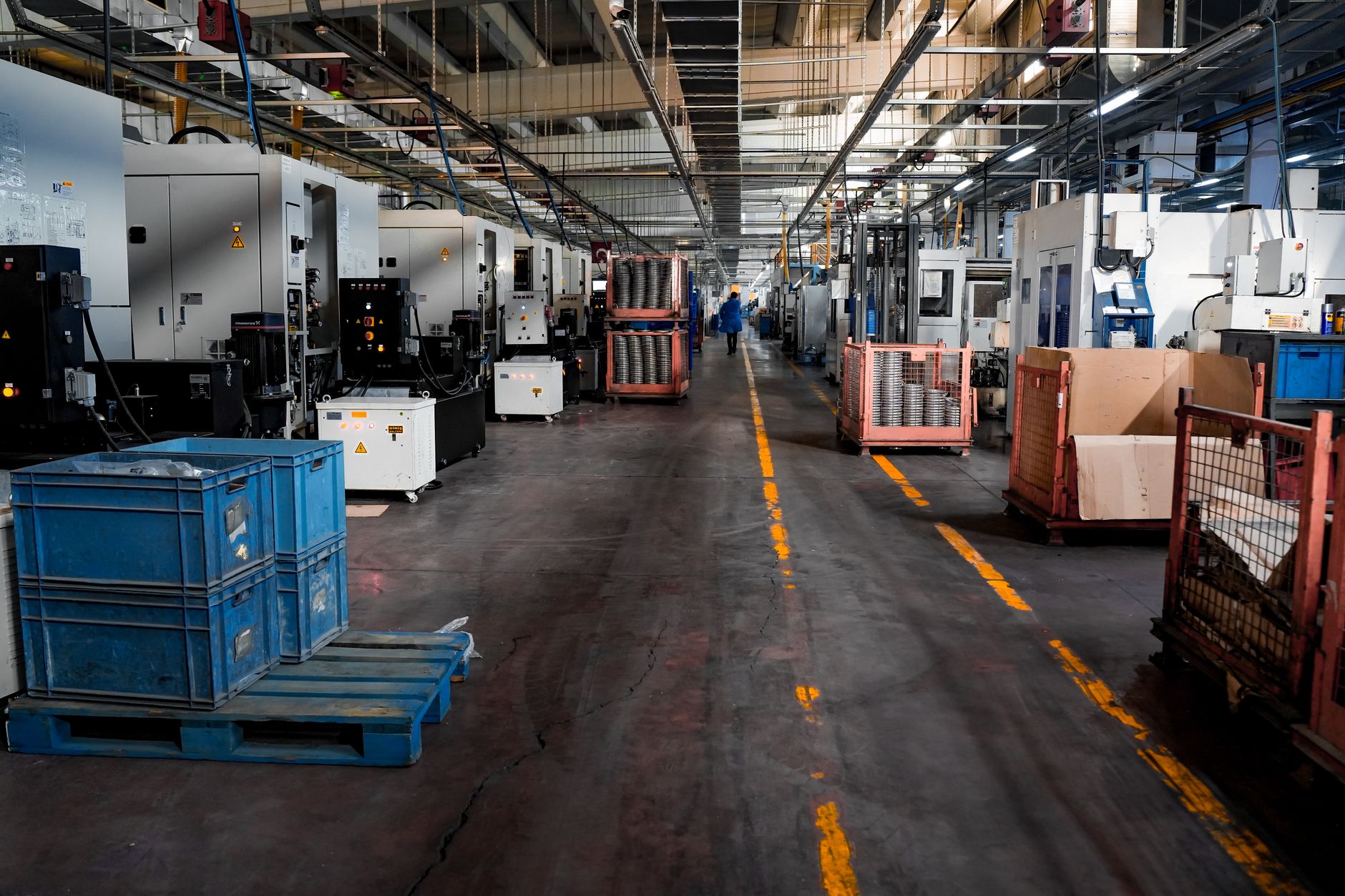
Fashion and soft goods DCs live and die on peak-week endurance. Autonomous mobile robot rental or lease lets you prove zone picking on one building before you replatform a network after mergers.
Service Robot Co. stays vendor neutral, matches AMRs to your WMS and labor plan, and handles finance, deployment, training, and nationwide service as one partner. You shorten shifts when robots absorb travel, not when you simply ask pickers to hurry.