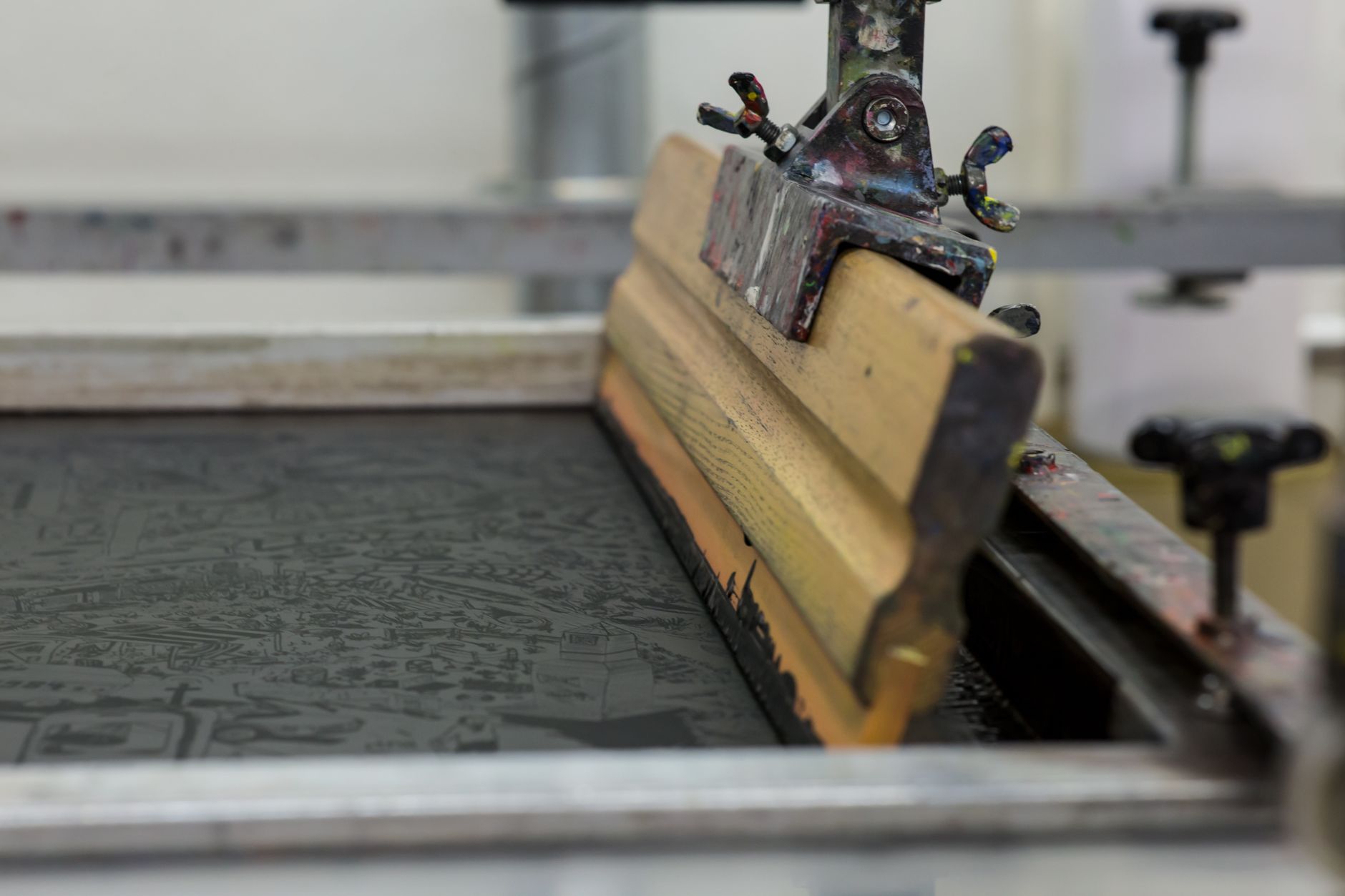
a North American imprintable apparel distributor's largest Illinois distribution center
How an Apparel DC Tripled Pick Rates From 40 to 150 per Hour With AMRs
A North American apparel distributor replaced aisle travel with shelf-to-person AMRs at its Illinois DC, lifting picker rates from 40 to 150 per hour per published metrics.
- 150/hr
- Picker rate after
- 40/hr
- Prior manual rate
- 75%
- Less turnover
- 50-60%
- Time was travel
Based on a documented real-world deployment. Figures are from public reporting; the organization is not named.
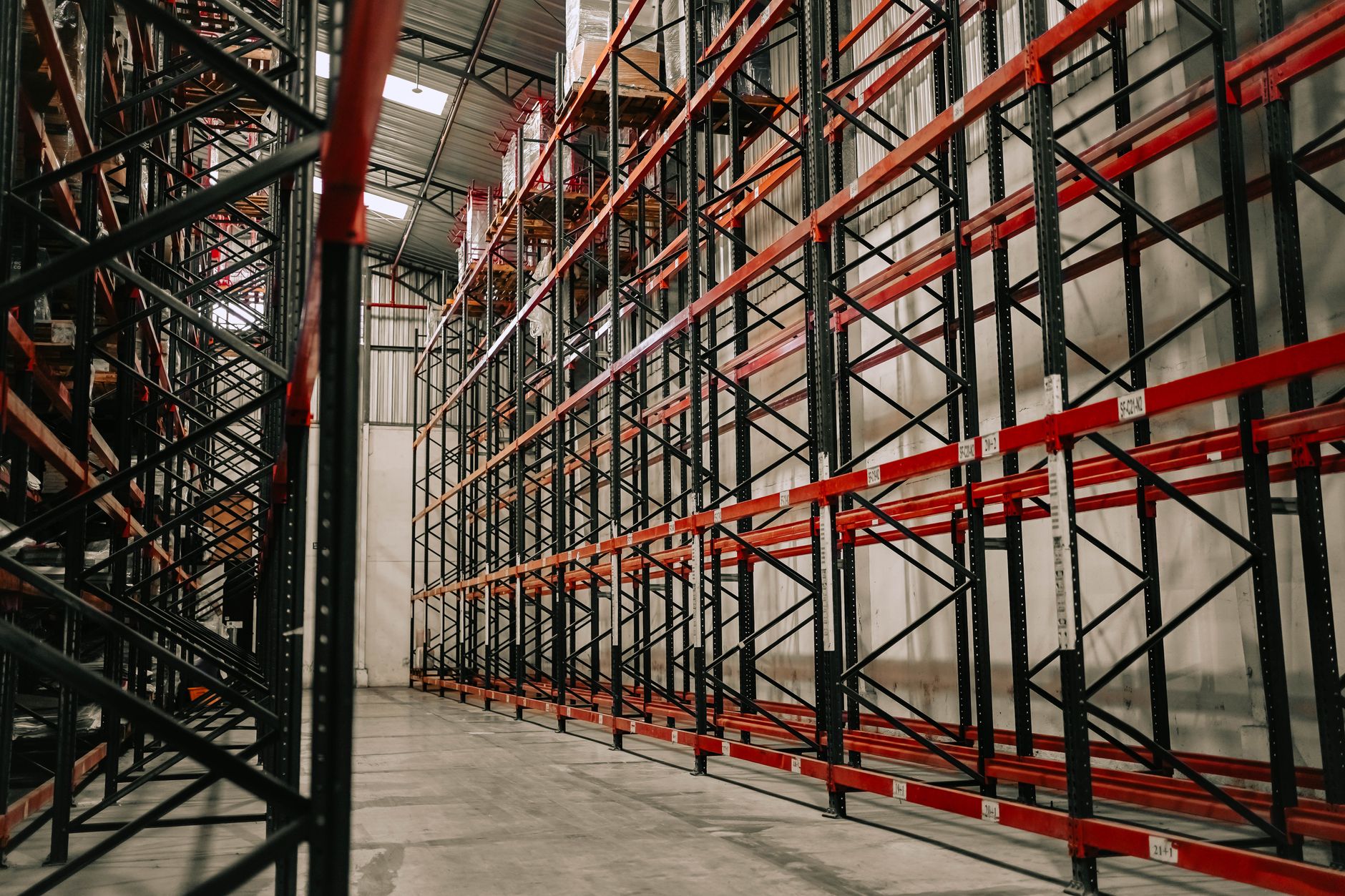
Manual aisle travel capped imprintable apparel throughput
This distributor stocks imprintable apparel for decorators nationwide. Pickers followed a custom warehouse management system through static locations, riding stock chasers and order pickers up and down aisles, then climbing on and off equipment for each pick.
Leadership estimated 50 to 60 percent of picker time went to travel rather than handling goods. Rates hovered near 40 picks per hour, and the physical pace contributed to turnover that made staffing the largest Illinois DC a constant challenge.
- Pick-from-static-rack process with RF-directed routes
- Heavy reliance on stock chasers and order pickers
- Roughly 40 picks per hour at legacy workstations
- High associate turnover tied to travel-heavy work
Shelf-to-person AMRs brought inventory to ergonomic stations
The Lockport site became the proving ground for a shelf-to-person robotics layout. Autonomous mobile robots retrieve totes of goods and deliver them to workstations so people pick at a fixed ergonomic point instead of driving aisles.
The design replaced operator travel with robot travel while keeping the existing WMS logic for route optimization where it still added value. Additional productivity came from workstation layout and batching tweaks bundled with the robotics go-live.
- Pilot shelf-to-person AMRs at the largest Illinois DC
- Feed totes to workstations rather than send pickers to racks
- Integrate robotics with existing WMS pick optimization
- Tune workstation ergonomics alongside automation rollout
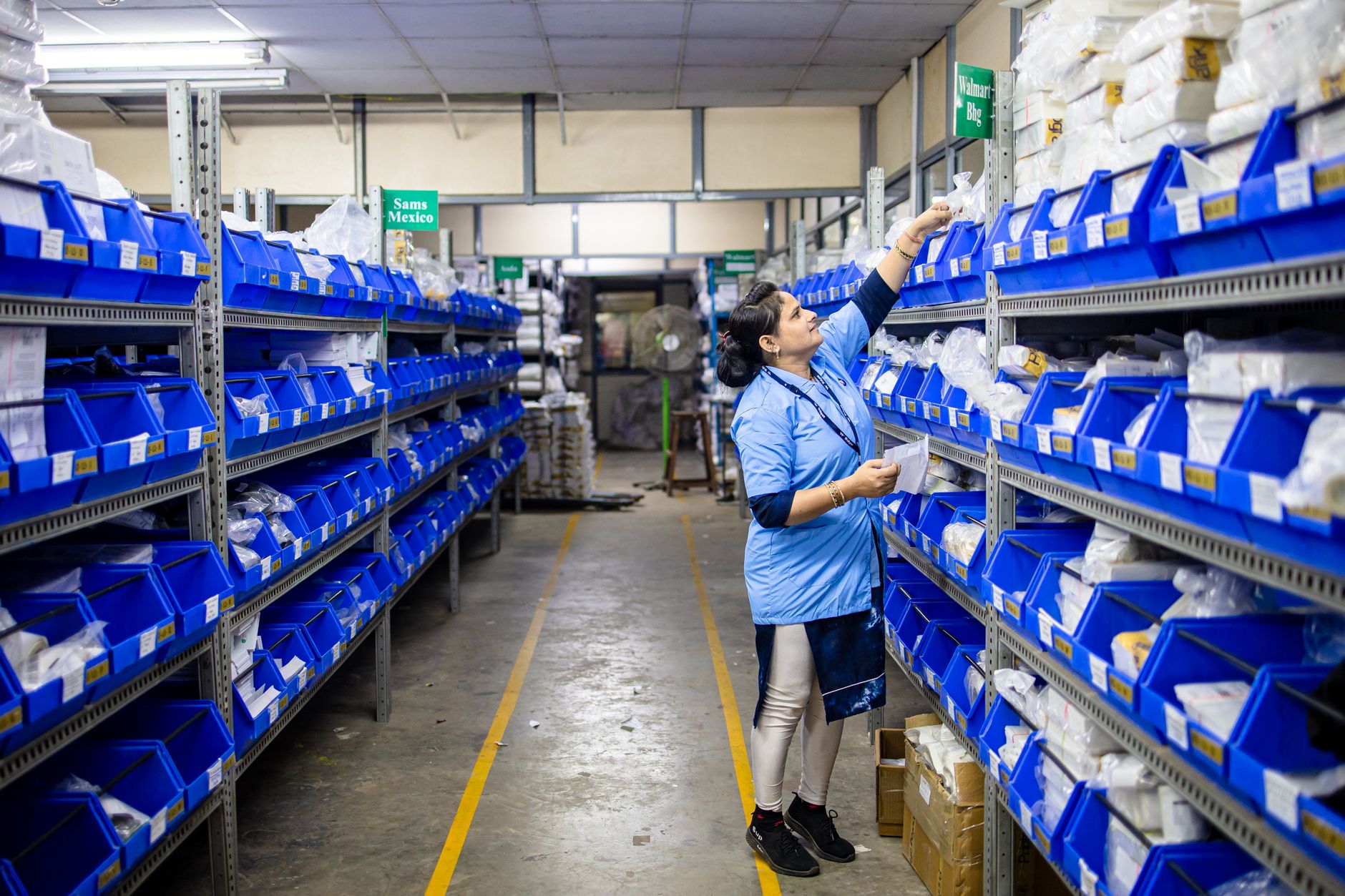
Picker rates leaped from 40 to 150 per hour

Published figures show productivity per picker rising from about 40 picks per hour under the legacy process to 150 picks per hour at robotics workstations. That is more than triple the prior rate and aligns with leadership statements about more than tripling picking productivity at the proving-ground building.
The company also calculates turnover down by about 75 percent, which it attributes to a safer, less travel-intensive environment. The solution has since expanded to additional distribution centers with another go-live planned.
What apparel and promo distributors should ask an integrator
This story is a documented real-world example, not a Service Robot Co. deployment. It illustrates when shelf-to-person AMR rental beats faster walking: travel share above half of labor minutes and SKUs suited to tote delivery.
Service Robot Co. compares autonomous mobile robot platforms and integration partners, then finances, deploys, trains, and services fleets nationwide. Month to month warehouse robot rental can prove pick rates before you replicate the layout to other buildings.
Operators should measure picks per hour and travel time in a manual baseline week, then pilot one workstation zone. Vendor-neutral selection matters because tote sizes, mezzanines, and WMS APIs differ on every apparel DC floor.