an Arctic liquefied-natural-gas facility
How an Arctic LNG Plant Cut Inspection Rounds From 6 Hours to 45 Minutes
An Arctic LNG plant cut hazardous-area entries 80% and shortened inspection rounds from six hours to 45 minutes with quadruped patrols and remote review.
- 6→45 min
- Per tour
- 80%
- Fewer entries
- 4/day
- Full passes
- 0
- Pilot incidents
Based on a documented real-world deployment. Figures are from public reporting; the organization is not named.
Arctic cold on live LNG decks
An Arctic liquefied-natural-gas facility processes gas above the polar circle where wind and temperatures near minus thirty Celsius punish outdoor work. Routine rounds still had to cover long pipe runs, valve stations, and turbo machinery decks inside classified hazardous areas.
Each shift sent technicians on foot to read gauges, listen for leaks, and confirm structural condition. One tour consumed about six hours of skilled time, and every minute inside a live process zone carried real exposure.
- Six hour manual tours per shift
- Hundreds of metres of outdoor pipe runs
- Classified zones in constant operation
Quadruped routes with sensor payloads
Operations deployed two industrial quadrupeds with thermal cameras, optical documentation, acoustic listening, and gas sensors for methane and related compounds. Pre mapped routes run autonomously while data streams to control room reviewers over a secure local wireless link.
When a reading drifts outside tolerance, the system flags the point for remote review. Humans enter only for physical adjustments the robot correctly escalates rather than attempting itself.
- Programmed inspection paths on pipe corridors
- Live upload for operator triage
- Escalate physical work to technicians

Four daily passes, far less exposure
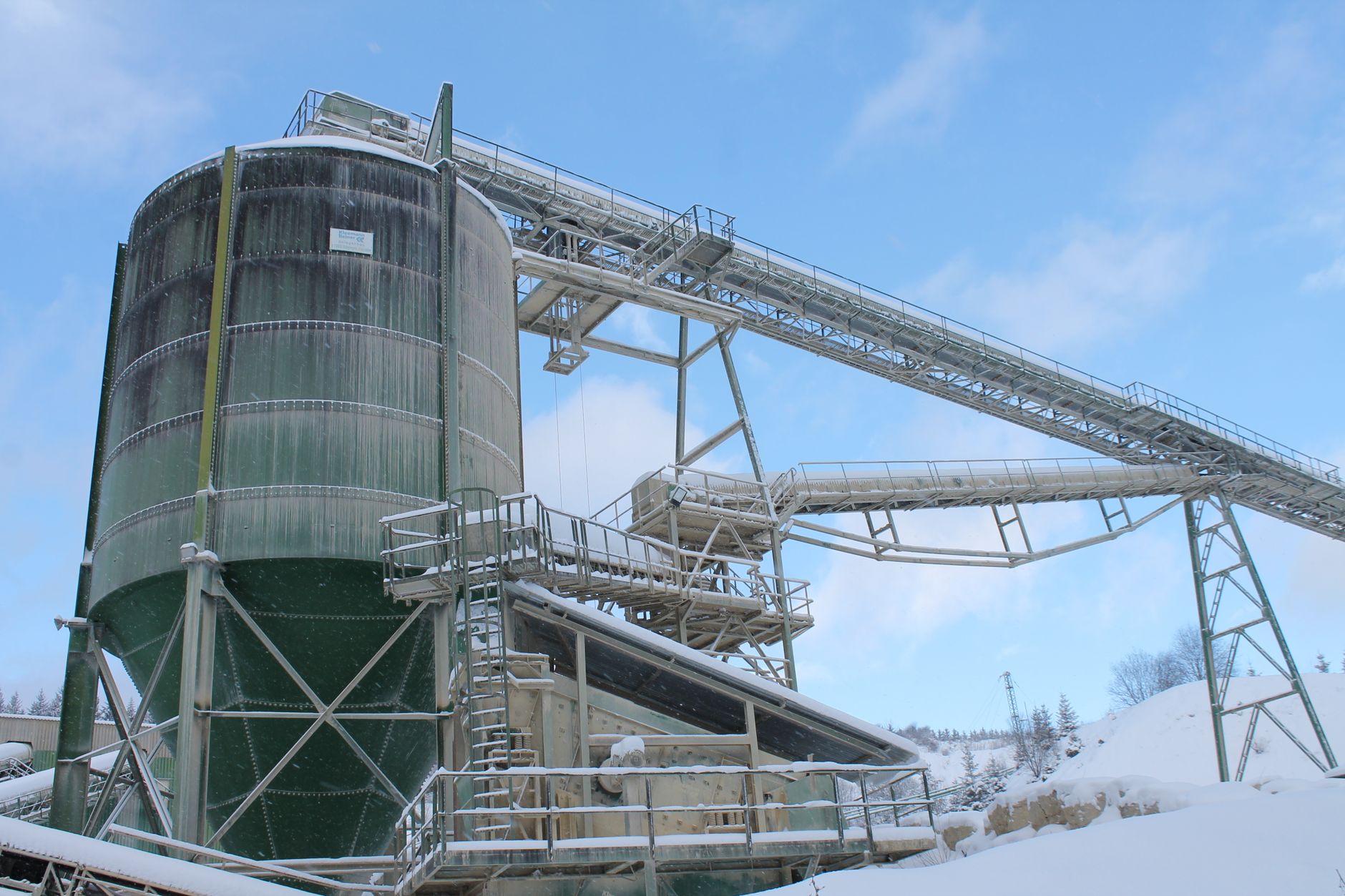
Hazardous zone personnel entries fell about eighty percent versus the pre deployment baseline. The inspection cycle shrank from six hours to forty five minutes per tour, and the quadrupeds completed four full facility passes in each twenty four hour period where only one daily walk had been feasible.
During an eight month pilot in robot covered areas, there were zero safety incidents involving personnel on those rounds. Anomalies surfaced on average twelve hours earlier than under the manual schedule, which helped avoid costly refrigeration train stoppages.
What this means for LNG inspection programs
Cold climate LNG sites often need inspection robot rental or quadruped pilots without a multi year capital project. A phased deployment lets you prove forty five minute tours and eighty percent fewer entries on one process island before expanding routes.
Service Robot Co. is a vendor neutral integrator for quadruped inspection robots and the ground support around them. We finance, deploy, train operators, and maintain units through a nationwide US engineer network so one partner covers rental, integration, and service for the full lifecycle.