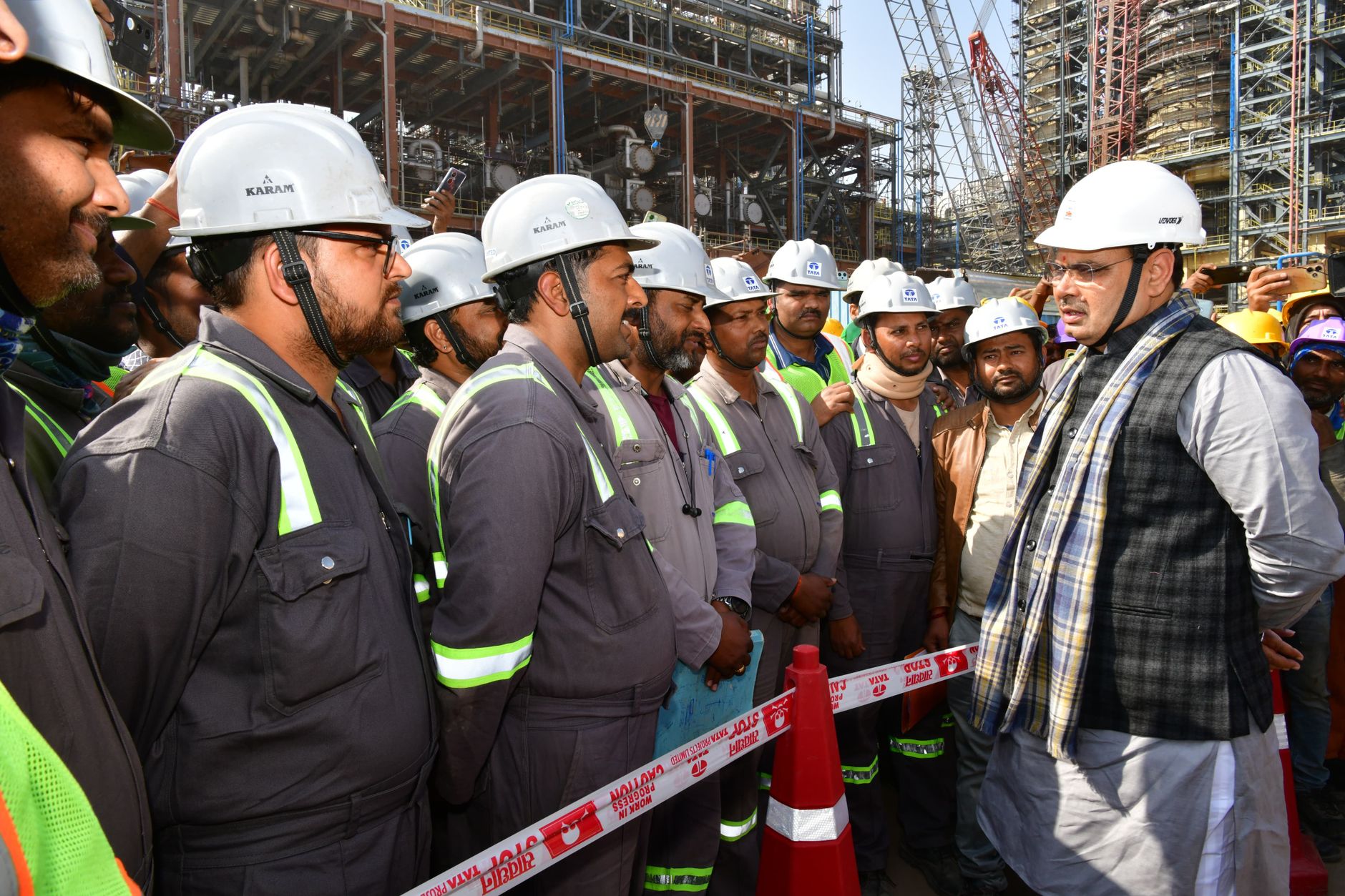
an Australian coal operation run by a mining contractor
Autonomous Drill Rigs Raise Coal Drilling Performance 20%
A documented Australian coal operation used autonomous drill rigs and remote supervision to lift drilling performance 20% and exceed 20 drill hours daily.
- 20%
- Better drilling performance
- 20+ hrs/day
- Utilization per rig
- 1:3
- Remote supervision span
- 0
- Redrilled holes after rollout
Based on a documented real-world deployment. Figures are from public reporting; the organization is not named.

Why the Site Changed the Drill Deck
This operation needed more dependable drilling output without keeping every operator in a cab all shift. In rotary drilling, small losses during handoffs, setup, and inconsistency can ripple through the entire blast pattern.
The pressure was not just to drill more holes. The site also needed better accuracy, less rework, and a safer operating posture for people who would otherwise spend long stretches around dust, vibration, noise, and the drill itself.
- Keep rigs productive through shift changes and pre-start routines.
- Improve hole accuracy and consistency so rework falls away.
- Move operators out of a high-exposure cab environment without losing control of the process.
How the Rollout Was Sequenced
The rollout followed a staged path rather than a hard cutover. It began with one drill rig, then progressed from manual work to in-cab automation so operators could learn the automated functions before moving off the machine.
Once that first stage was proven, the operator shifted to a remote on-site operating center. A second rig and then a third were added, leading to an operating model in which one remote operator supervised three rotary drills drilling predefined single-row patterns.
- Start with one rig and introduce automated functions while the operator remains in cab.
- Use that phase to build operator confidence and verify the process in stages.
- Relocate the operator to a remote on-site operating center once the workflow is proven.
- Add a second rig and then a third as supervision, training, and procedures mature.
What the Operation Reported
The measured gains were substantial. Drilling performance improved 20 percent, and utilization rose to above 20 operating hours per drill per day.
Quality improved alongside output. The site reported no redrilling after rollout, and the documented account ties that result to better accuracy in how holes were placed and drilled.
Just as important, the operating model changed. One remote operator was able to supervise three rotary drills, showing that the payoff came from disciplined rollout, not from software alone.
What This Means for U.S. Operators
The lesson here is broader than mining. Strong autonomy programs tend to come from staged adoption, operator upskilling, service discipline, and clear ownership of robot deployment and integration from first test through steady-state operation.
That is the role Service Robot Co. plays for U.S. businesses as a vendor neutral robot integrator. We help companies choose the right robots across manufacturers, then finance, deploy, integrate, train, and service them through one partner one number, with a phased deployment no shutdown mindset when uptime matters.