a high-volume automotive body and stamping plant in southern Europe producing about 2,000 vehicles per day
How an Auto Body Plant Freed 40 Man-Hours a Day With Material AMRs
A southern European body and stamping plant running 2,000 vehicles a day freed up to 40 man-hours daily per AMR feeding welding materials to robot stations.
- 40 hrs
- freed per AMR/day
- 3
- AMRs deployed
- 2,000
- vehicles per day
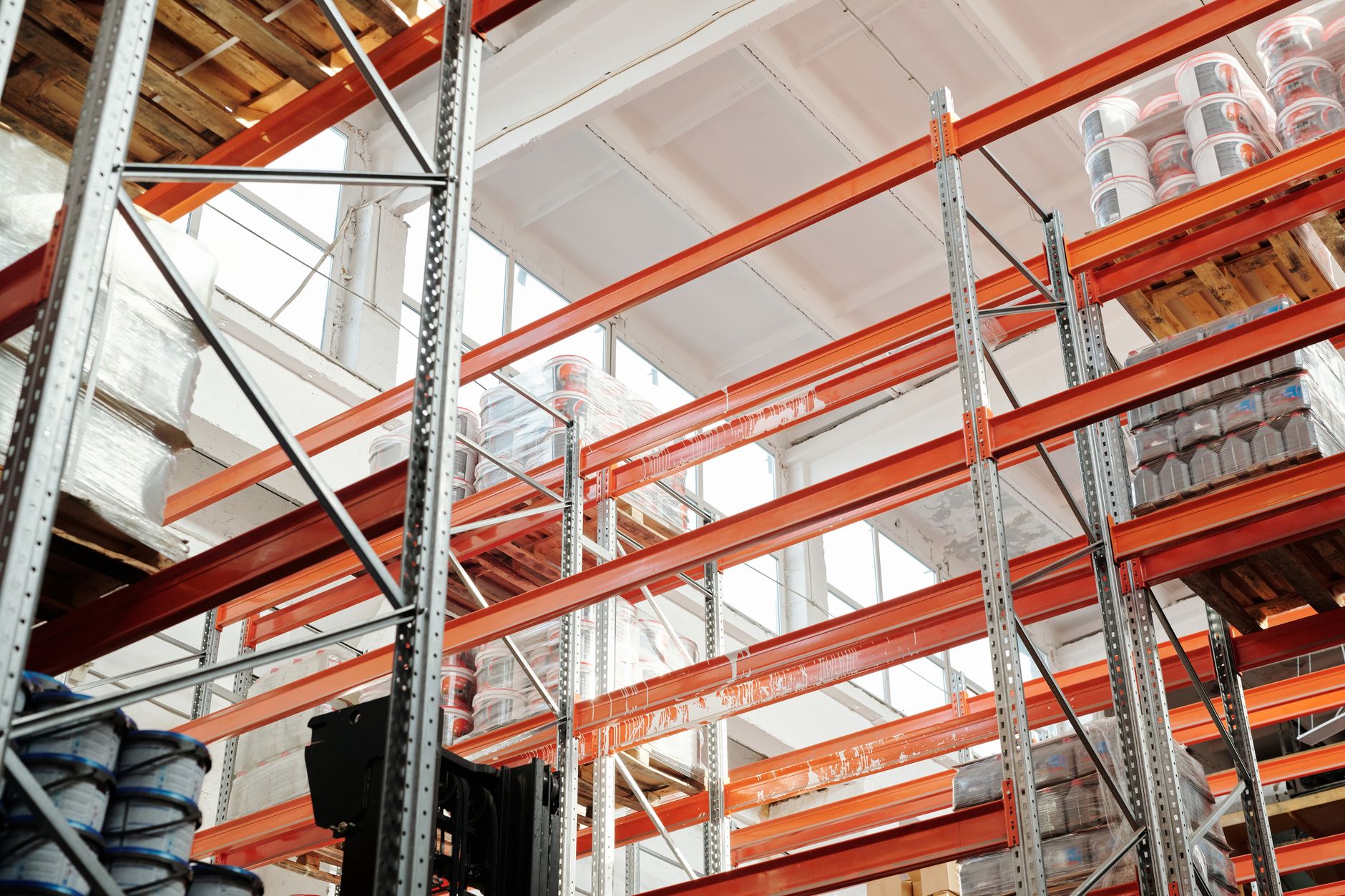
- 17 slots
- onboard shelving
Based on a documented real-world deployment. Figures are from public reporting; the organization is not named.
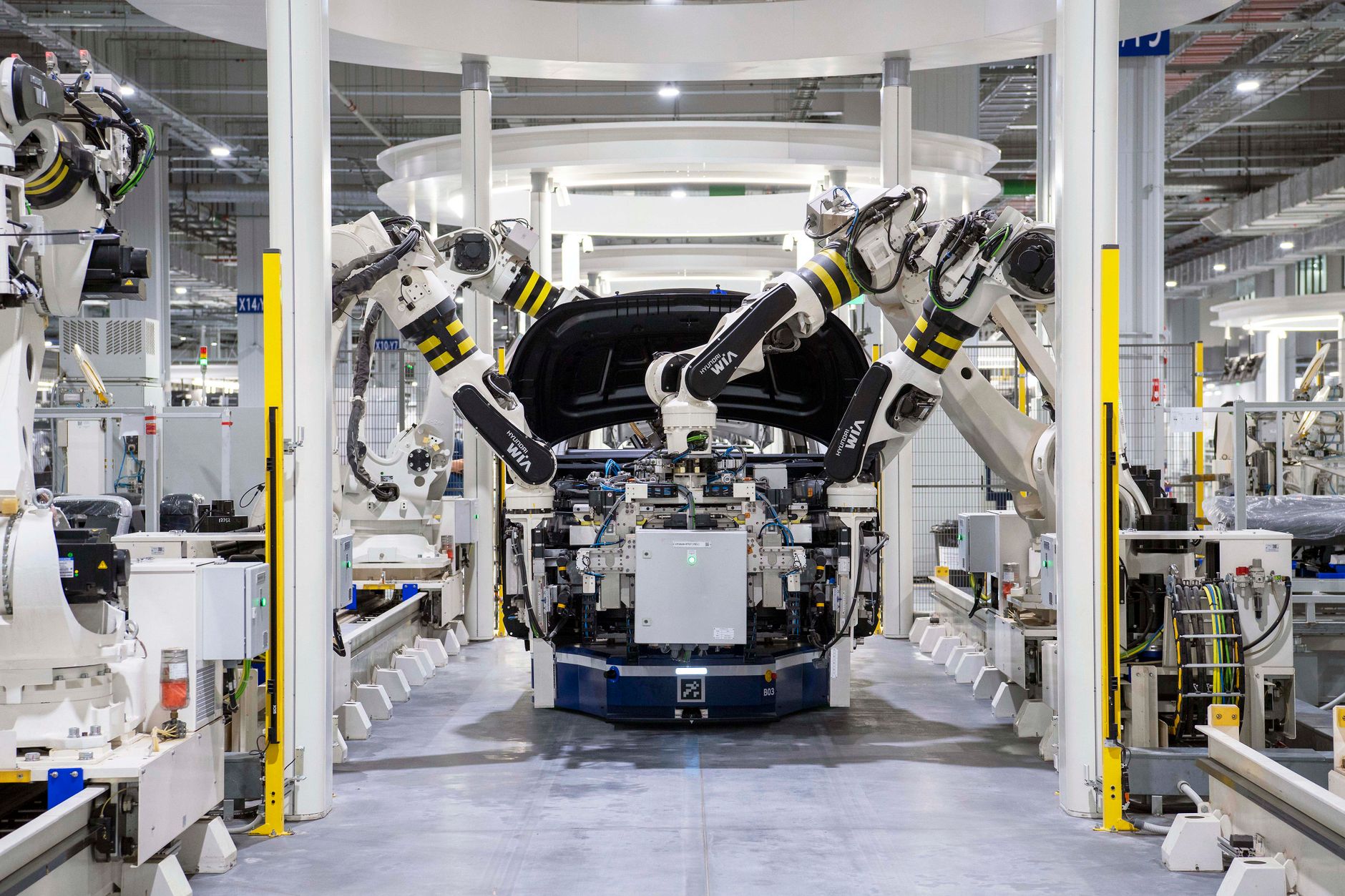
Manual runs starved robot stations
At a high-volume automotive body and stamping plant in southern Europe producing about 2,000 vehicles per day, production depends on a dense field of industrial robots welding and stamping panels across roughly 300,000 square meters of floor space.
Fresh industrial and welding materials had to reach each robot station on time, yet people were pushing carts through a busy plant where forklifts and automated cells already competed for aisle space. The work was repetitive, it added little direct value, and it pulled skilled staff away from troubleshooting and quality work.
- Time-sensitive deliveries to dozens of robot stations
- Shared aisles with forklifts and foot traffic
- Manual spare-parts loops from warehouse to lines
- Need to keep multi-model production flowing
Three AMRs with mapped autonomy
Leadership piloted a collaborative autonomous mobile robot that learned the plant map without floor tape or external beacons, then expanded to a fleet of three units dedicated to spare-parts distribution.
Each unit carries an automated shelving tower with 17 slots sized for different components. Slot doors open only for the materials assigned to each station, which cuts mix-ups at the line.
Operators load the robot, send it on mapped routes, and trust its sensors to reroute around people and vehicles. Training focused on simple dispatch, not on driving carts through peak traffic.
- Map the plant once, then run autonomous missions
- Equip AMRs with locked, role-based shelving
- Start with warehouse-to-line spare parts, then expand routes
- Keep humans on higher-skill body and stamping tasks
Forty man-hours back every day
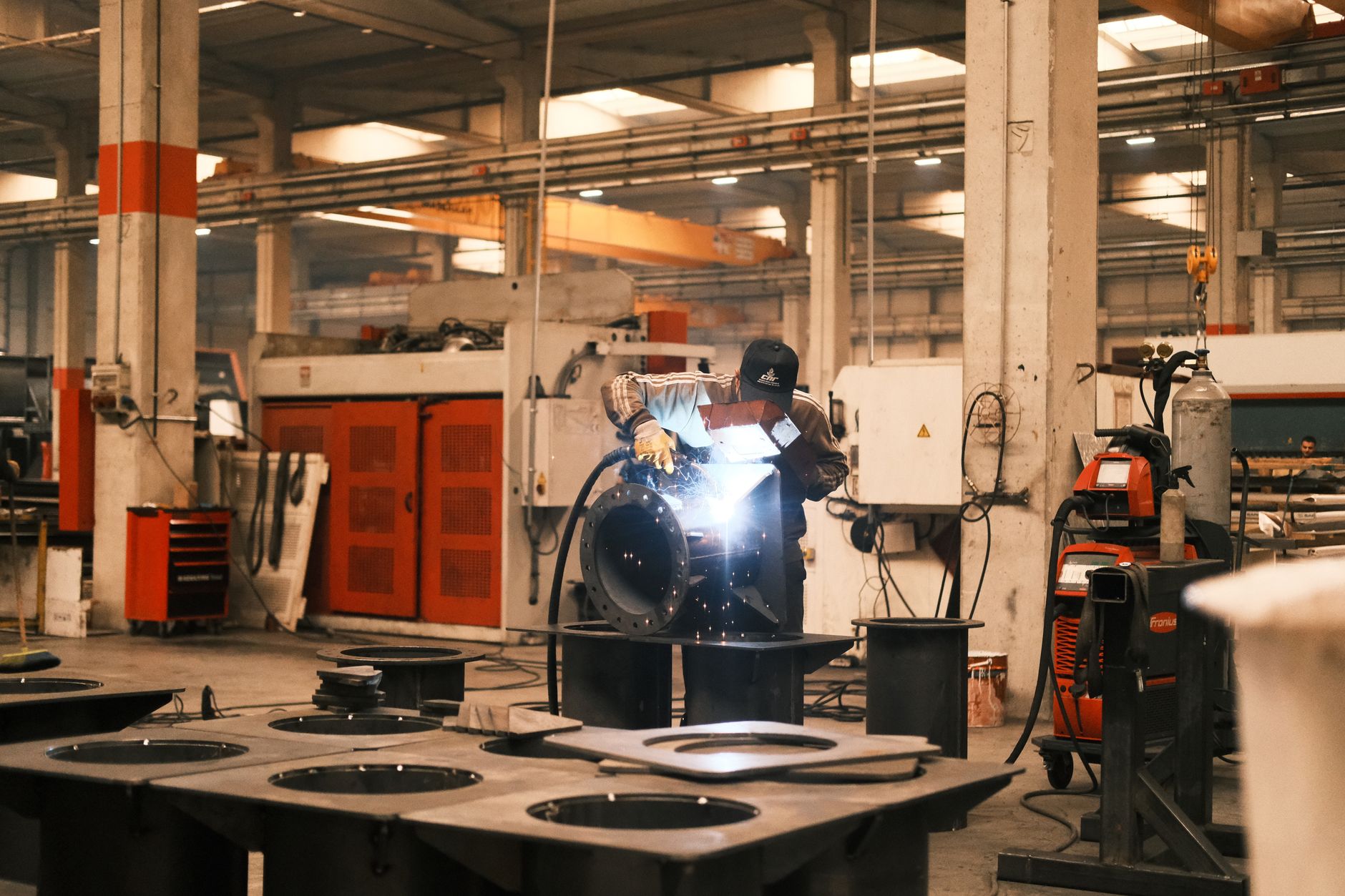
Plant tests showed a single mobile robot could free up to 40 man-hours per day that had been spent walking materials to body and stamping stations.
With three units circulating, routine distribution shifted from a low-skill chore into a dependable automated loop while production kept pace with about 2,000 vehicles per day.
Maintenance and engineering staff report the robots operating alongside forklifts without dedicated lanes, and leadership is evaluating additional material-handling routes elsewhere in the factory.
Lessons for U.S. auto and metal plants
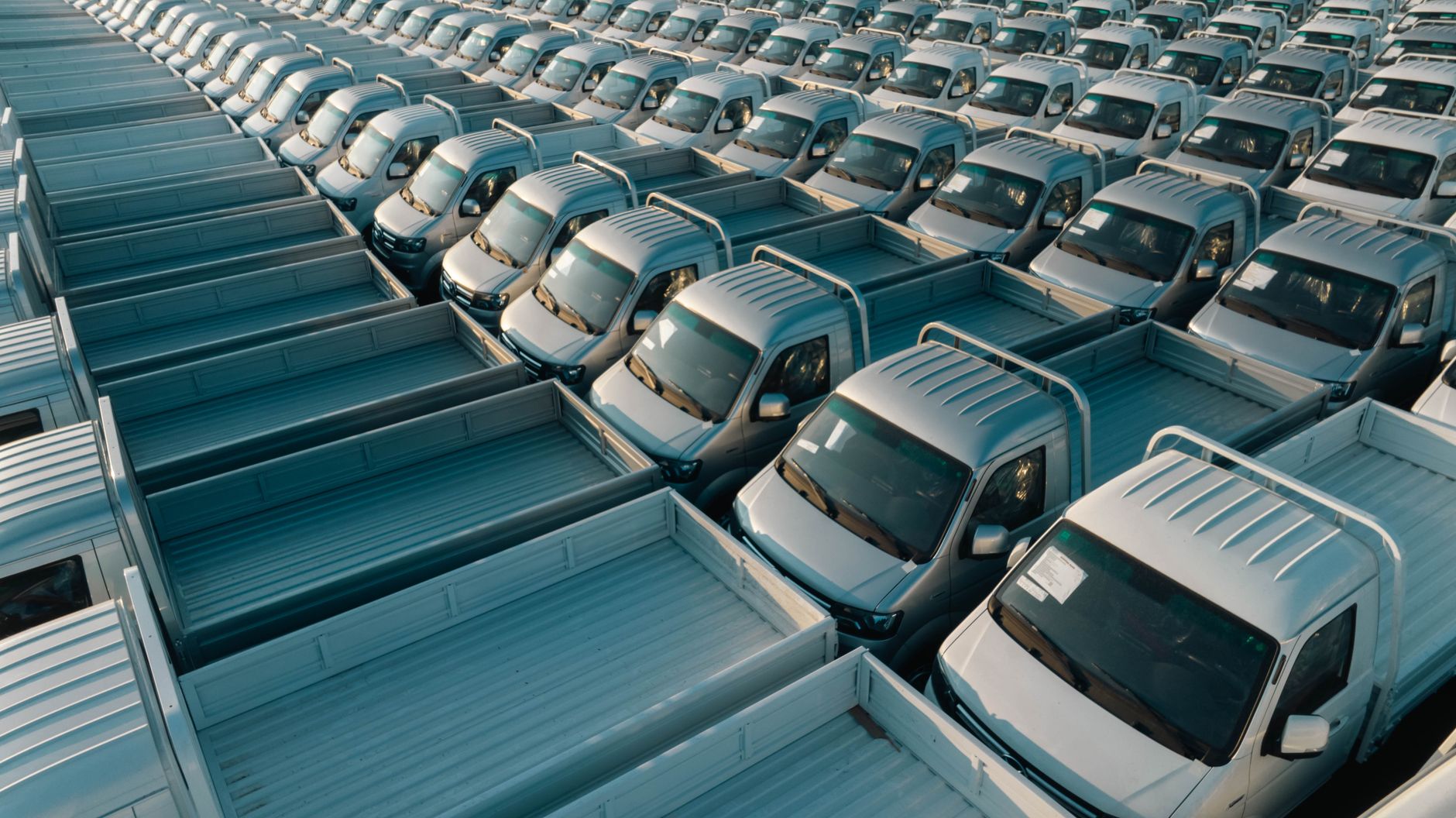
This is a documented European deployment, not a Service Robot Co. customer story. It still shows why U.S. body shops and tier suppliers look at AMR rental when line-side delivery cannot miss a window.
Service Robot Co. is an OEM-neutral integrator. We match payload, aisle width, and shift pattern to the right autonomous mobile robot, then handle financing, deployment, integration, training, and nationwide service through one partner. Month-to-month commercial robot rental lets you prove line-feed uptime before you buy.
If your team still walks welding wire, fasteners, or spare tooling to robot cells, a free site assessment can map pick points, charging, and mission rules so you see how material handling robot rental would run on your floor.