a global automaker's body-shop operation
Body Shop Lifter AMR Case Study: Throughput Rises 12.5% at 99.4% Uptime
Lifter AMRs in a documented global body shop lifted throughput from 28 to 32 jobs per hour with 99.4% uptime over 24 months while reassigning one forklift and two operators.
- 12.5%
- Productivity gain
- 32/hr
- Peak job rate
- 99.4%
- Two-year uptime
- 193K+
- Production trips
Based on a documented real-world deployment. Figures are from public reporting; the organization is not named.
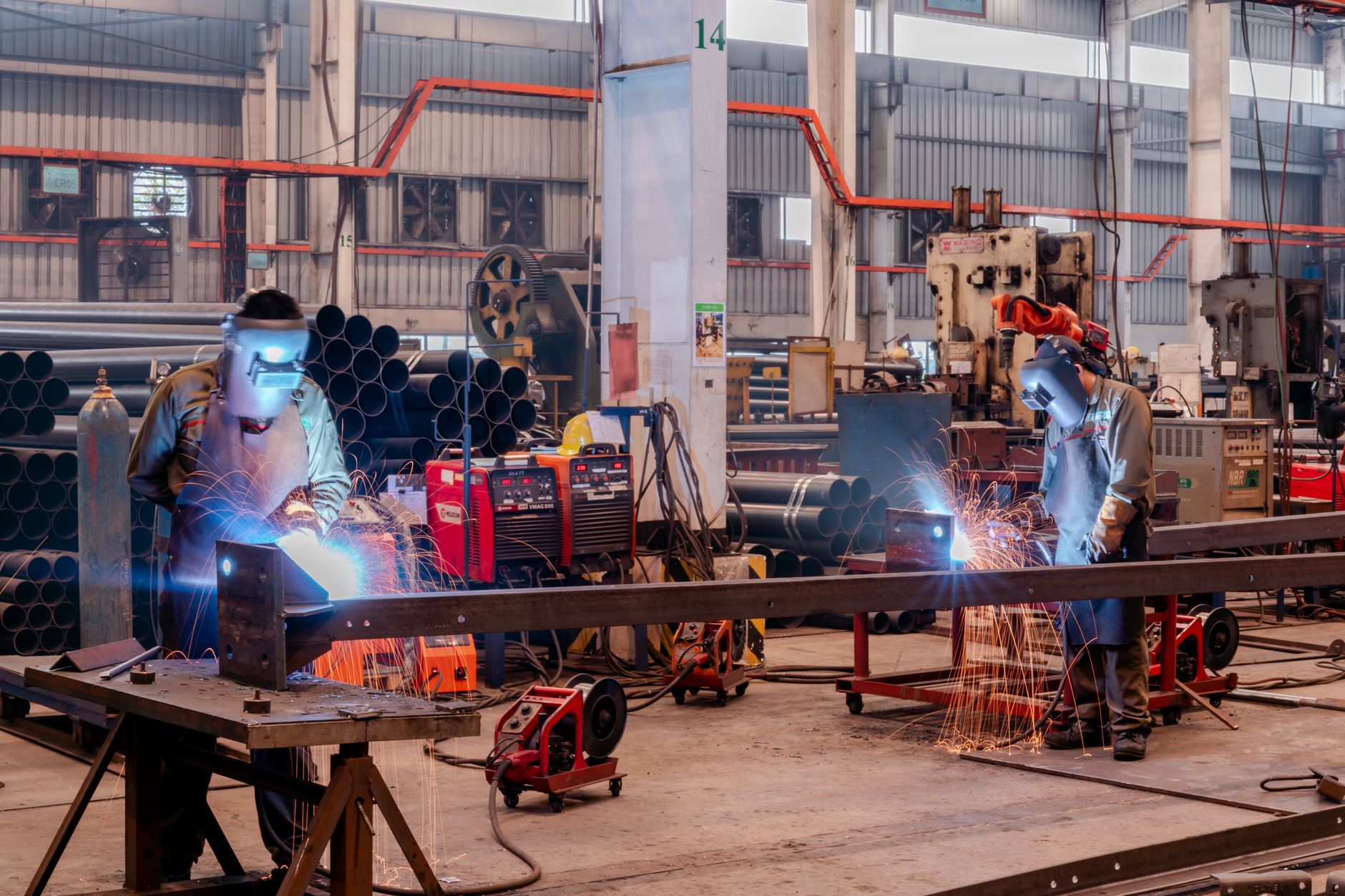
Lineside moves under takt pressure
A global automaker's body-shop operation needed parts at the line on cadence while labor for internal transfers stayed scarce. Manual moves with forklifts and operators introduced waits, congestion, and safety exposure whenever traffic or staffing slipped.
Cycle time targets left little buffer. Any delay at the lineside rippled into missed takt windows and extra coordination calls across shifts.
- Component delivery had to match assembly rhythm
- Forklift traffic added risk in tight aisles
- Staffing gaps made manual moves unpredictable
Lifter AMRs tied to cycle time
The plant deployed a fleet of autonomous lifter AMRs with a coordination layer that assigns moves, watches fleet health, and aligns tasks to line cycle time. Call panels and clear exception paths let operators trigger runs with minimal clicks while the system routed traffic away from hot spots.
Rollout paired simulation and time studies with operator training on handoffs, loading checks, and remote monitoring so the cell could run through two years of production with remote support when alerts fired.
- Map routes and handoff points to takt needs
- Train operators on one or two click task calls
- Use remote monitoring to protect uptime targets
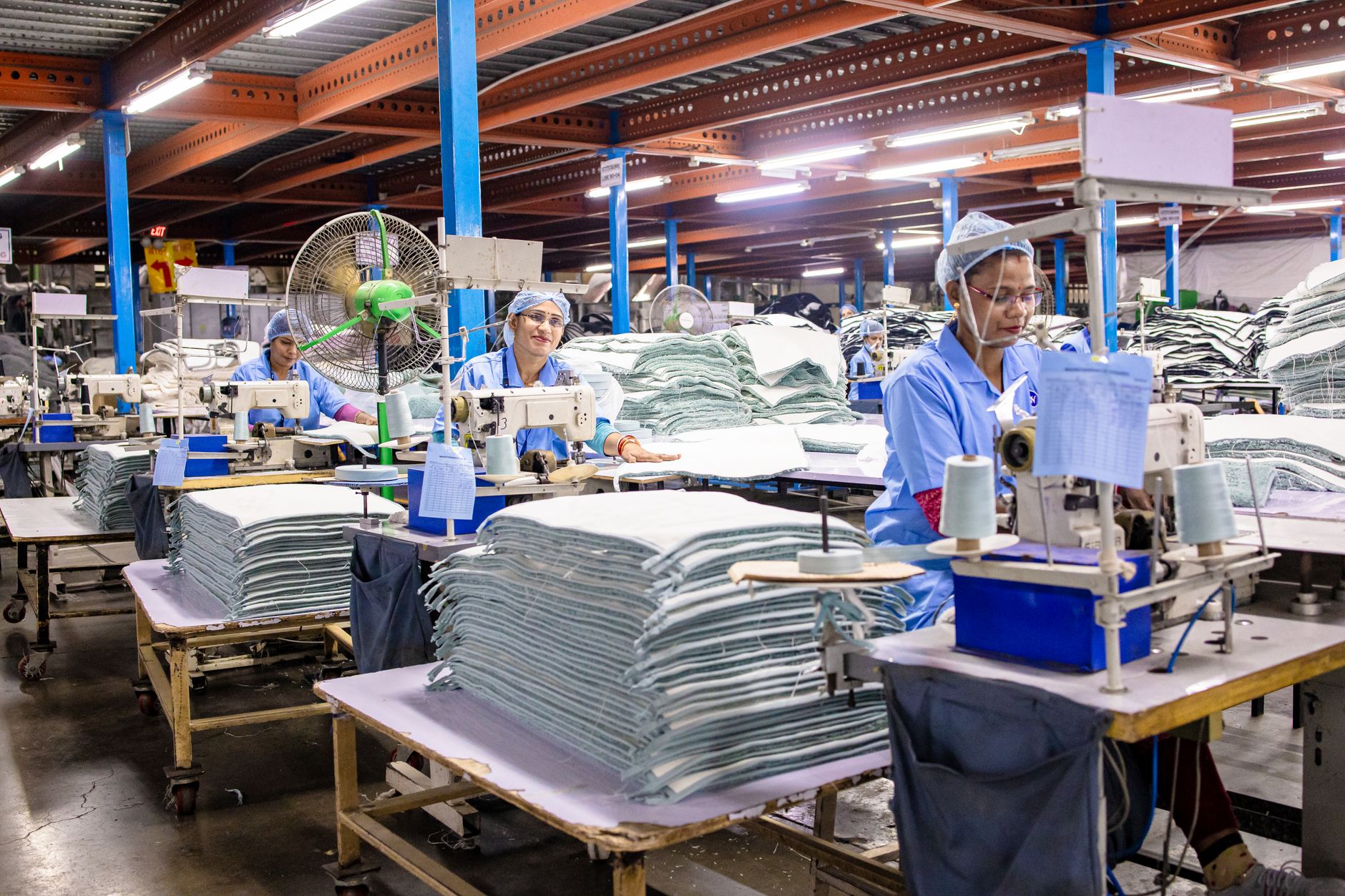
Documented production outcomes
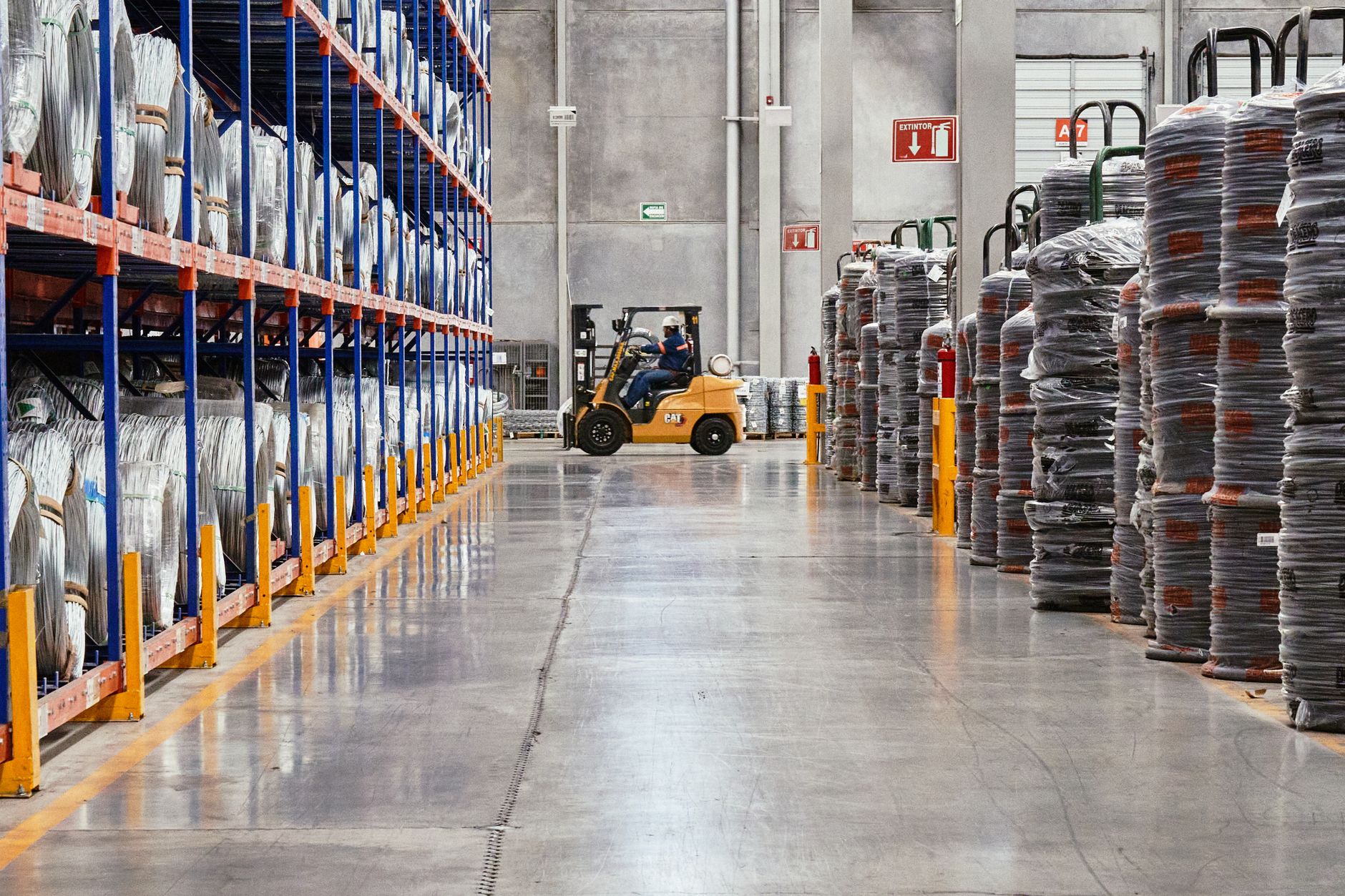
Throughput rose from 28 jobs per hour to 32 jobs per hour, a 12.5 percent productivity gain tied to the lifter AMR program. Average system uptime over 24 months reached 99.4 percent in the published deployment.
The fleet completed more than 193,000 production trips and delivered more than one million parts lineside without disruption in the same report. One forklift was removed from the operation and two operators moved to higher value tasks while ROI landed in under two years.
What this pattern means for plants
Automotive and heavy manufacturing sites with takt bound internal moves are strong candidates for AMR rental or a phased material handling robot pilot when forklifts become the bottleneck. Service Robot Co. stays vendor neutral, matches lifter AMRs to your aisles and loads, and bundles financing, integration, training, and nationwide service under one partner.
Robot rental monthly or month to month AMR lease paths let you prove trips per hour on one loop before you expand fleet size. Free site assessment and go live support should start at the lineside move that stalls most often, because that is where uptime and labor savings show up first.