a fast-growing automotive tool and equipment distributor operating multi-site U.S. fulfillment
How an Auto-Parts DC Raised Pick Rates From 30 to 110 per Hour With AMRs
Auto tool distributor lifted picks from 30 to 110 per hour in 90 days with AMRs. Grounded metrics for teams comparing vendor-neutral warehouse robot programs.
- 266%
- Productivity gain
- 110 UPH
- Peak pick rate
- 90 days
- Atlanta rollout
- 49 AMRs
- Multi-site fleet
Based on a documented real-world deployment. Figures are from public reporting; the organization is not named.
Same-day pressure on a stretched warehouse team
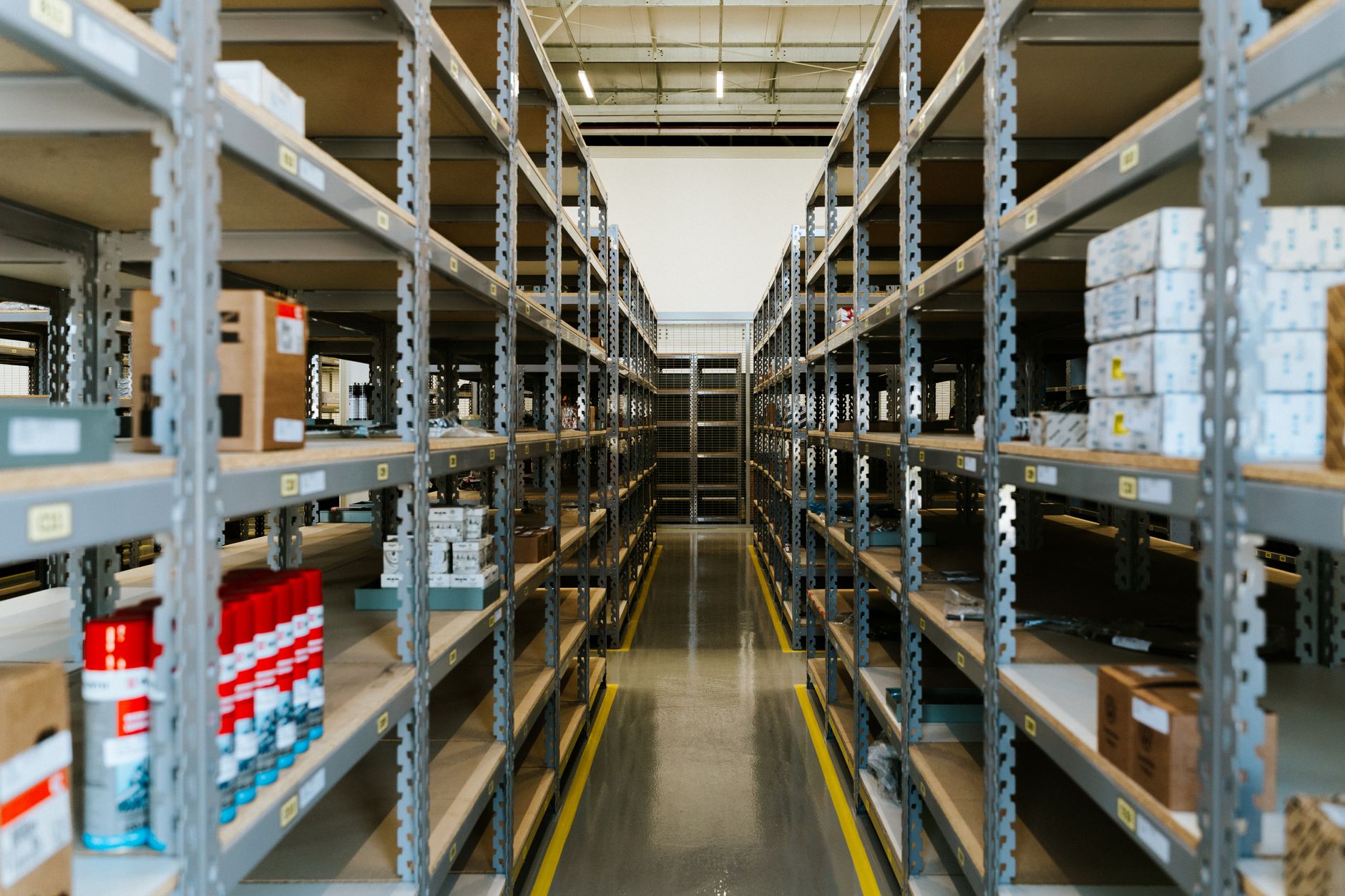
The distributor built its reputation on picking and shipping orders the same day customers place them. Growth kept widening the footprint of its distribution centers while small-parcel shipments climbed from about half of volume before the pandemic to roughly four-fifths of outbound moves.
That mix shift added touches, labels, and walk time on every shift. Turnover in a tight labor market made it hard to keep experienced pickers on the floor, and long aisles meant associates spent more time traveling than selecting.
- Same-day pick and ship service level as the core promise
- Higher small-parcel share and more complex order profiles
- Competitive hiring market with elevated warehouse turnover
Phased AMR deployment tied to existing warehouse software

Leadership paired autonomous mobile robots with the warehouse management environment already running in the buildings. The first wave went live at the Atlanta campus in about ninety days, long enough to prove rates without freezing daily shipping.
Robots handled travel between pick faces so associates stayed in productive zones. Management planned follow-on sites and additional workflows, including putaway, once the initial picking pattern stabilized.
- Pilot AMR picking at the Atlanta distribution campus
- Integrate robot tasks with the incumbent warehouse management flow
- Train pickers on robot-assisted workflows before expanding the fleet
- Sequence Fresno and additional campuses after phase-one metrics held
Measured pick rates and calmer shifts
Picking quality, accuracy, and speed improved together. Documented rates moved from about thirty picks per hour to about one hundred ten, a two hundred sixty-six percent productivity increase at the first site.
Travel time fell sharply, which reduced physical strain and freed hours for other critical tasks. Leadership reported higher job satisfaction and noted that savings from the automation program helped fund higher wages for warehouse associates, supporting retention in a competitive market.
After the Atlanta results, the operator expanded the robot fleet toward roughly forty-nine units across three U.S. distribution centers and began applying AMRs to putaway as well as picking.
What this pattern means for your DC
This story is a documented industry example, not a Service Robot Co. customer record. It still shows what a vendor-neutral integrator can replicate: match AMR hardware to your slotting and WMS rules, run a timed pilot, and scale only after pick rates prove out.
Service Robot Co. selects autonomous mobile robots across manufacturers, then supports financing or monthly rental, site mapping, go-live training, and nationwide service. A free site assessment is the practical starting point when same-day shipping and labor turnover collide.