a long-standing automotive aftermarket parts manufacturer and distributor operating a 750,000-square-foot fulfillment center
How an Auto Parts Distributor Cut Travel Waste 16% With Cart AMRs
A documented auto-parts fulfillment case shows 16% higher pick rates and 112 fewer travel miles per day after cart and pallet AMRs took over nonstop walking.
- 16%
- pick rate gain
- 16%
- less travel
- 112 mi
- saved daily
- 750K sf
- DC footprint
Based on a documented real-world deployment. Figures are from public reporting; the organization is not named.

Miles of walking between every pick
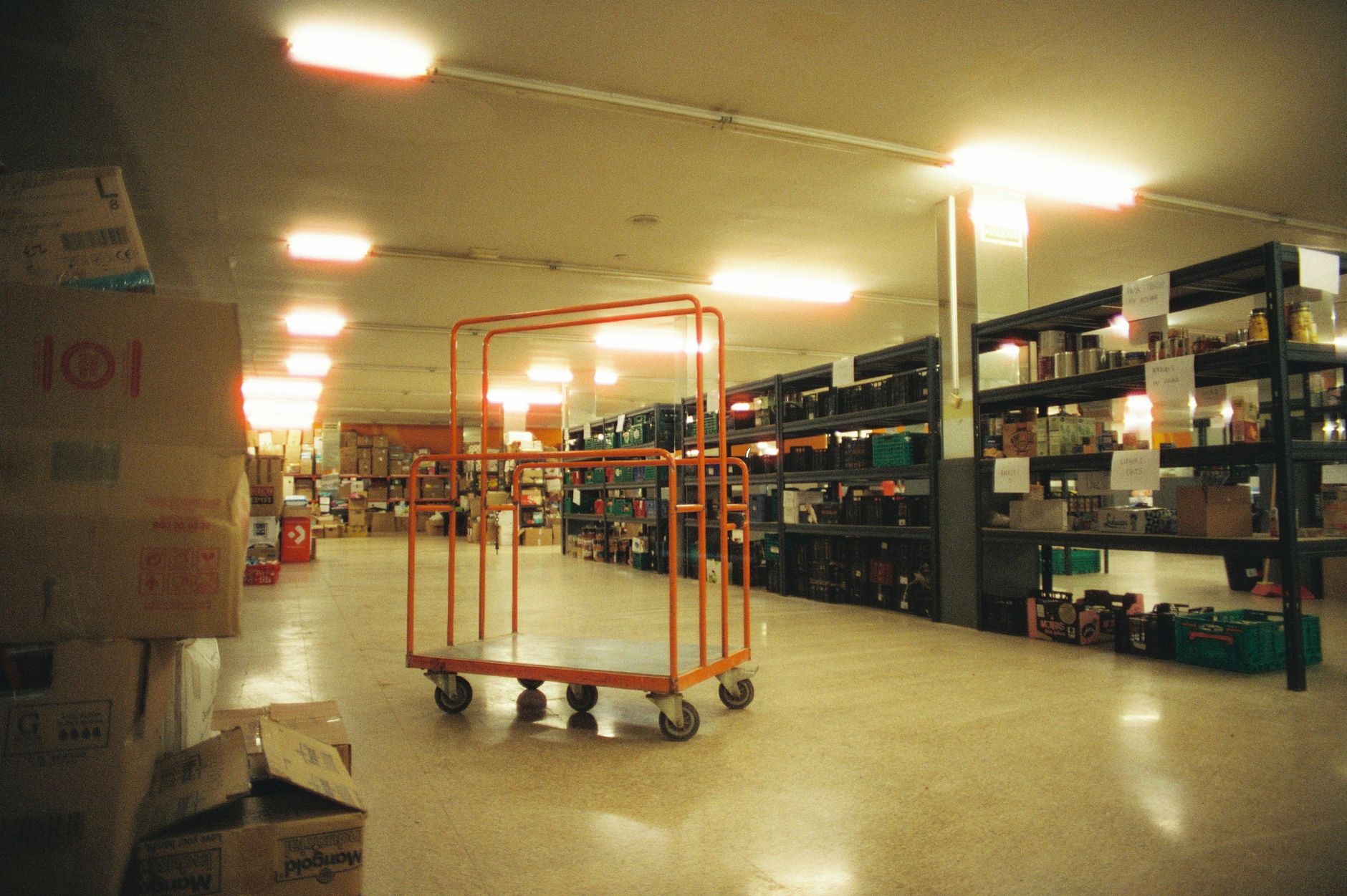
The aftermarket parts network ships fast-moving SKUs from a 750,000-square-foot distribution center that never really sleeps. Contributors spent their shifts towing carts and chasing pallets instead of pulling orders, walking the equivalent of more than 15,000 miles every month just to reposition material.
Leadership needed throughput without a full building shutdown or a rigid conveyor project. Travel waste was the enemy, and every extra loop between dock and pick face stretched order cycle times.
- Cart moves stole time from value-added picking
- Multi-site pressure demanded a flexible automation path
- Operators wanted tools they could learn quickly
Phased AMRs on familiar routes
Operations mapped existing pallet and cart flows, then layered autonomous mobile robots onto those lanes in phases so daily picks never stopped. Simple facility mapping and drag-and-drop workflow setup let supervisors queue moves from tablets while robots handled the long walks.
Heavy pallet hauls and cart-connect runs were split across two AMR form factors so each job matched the load. Training focused on directing queues, clearing aisles, and handing off at pick stations rather than programming routes from scratch.
- Map current cart and pallet paths
- Pilot AMRs on one zone, then expand
- Train leads to queue and monitor jobs
- Tune workflows as pick density shifts
Measured gains on the floor
Travel distance fell 16%, about 112 miles of walking removed from the building every day. Pick rate and revenue per labor hour both rose 16% because contributors stayed at the pick face while robots repositioned carts and pallets.
Dock-to-stock deliveries landed faster and with fewer misses, which tightened overall material movement and order cycle times across the site. The project stayed live through rollout, so the metrics reflect real production weeks rather than a sandbox pilot.
What aftermarket DCs can borrow
Auto parts distributors live on pick velocity and SKU breadth, not hero shifts on foot. When AMRs own the cart drags, warehouse robot rental or lease programs can add capacity without rewriting the whole building.
Service Robot Co. stays vendor neutral, compares autonomous mobile robot options for your aisle layout, and backs fleets with finance, deployment, and a nationwide network of regional service engineers. A free site assessment can benchmark whether a 16% class travel cut is realistic on your pick paths before you buy.