an automotive parts manufacturer moving bins from assembly to warehouse while limiting forklifts to shipping zones
How an Auto-Parts Plant Cut Forklift Runs and Saved $300-400K a Year With Four AMRs
An automotive parts plant limited forklifts to shipping zones and used four AMRs on assembly-to-warehouse moves, citing $300-400K in annual labor savings and a safer floor.
- 4
- AMRs on the route
- $300-400K
- cited annual labor savings
- Near zero
- forklift risk on throughway
- Full tie-in
- to plant controls
Based on a documented real-world deployment. Figures are from public reporting; the organization is not named.
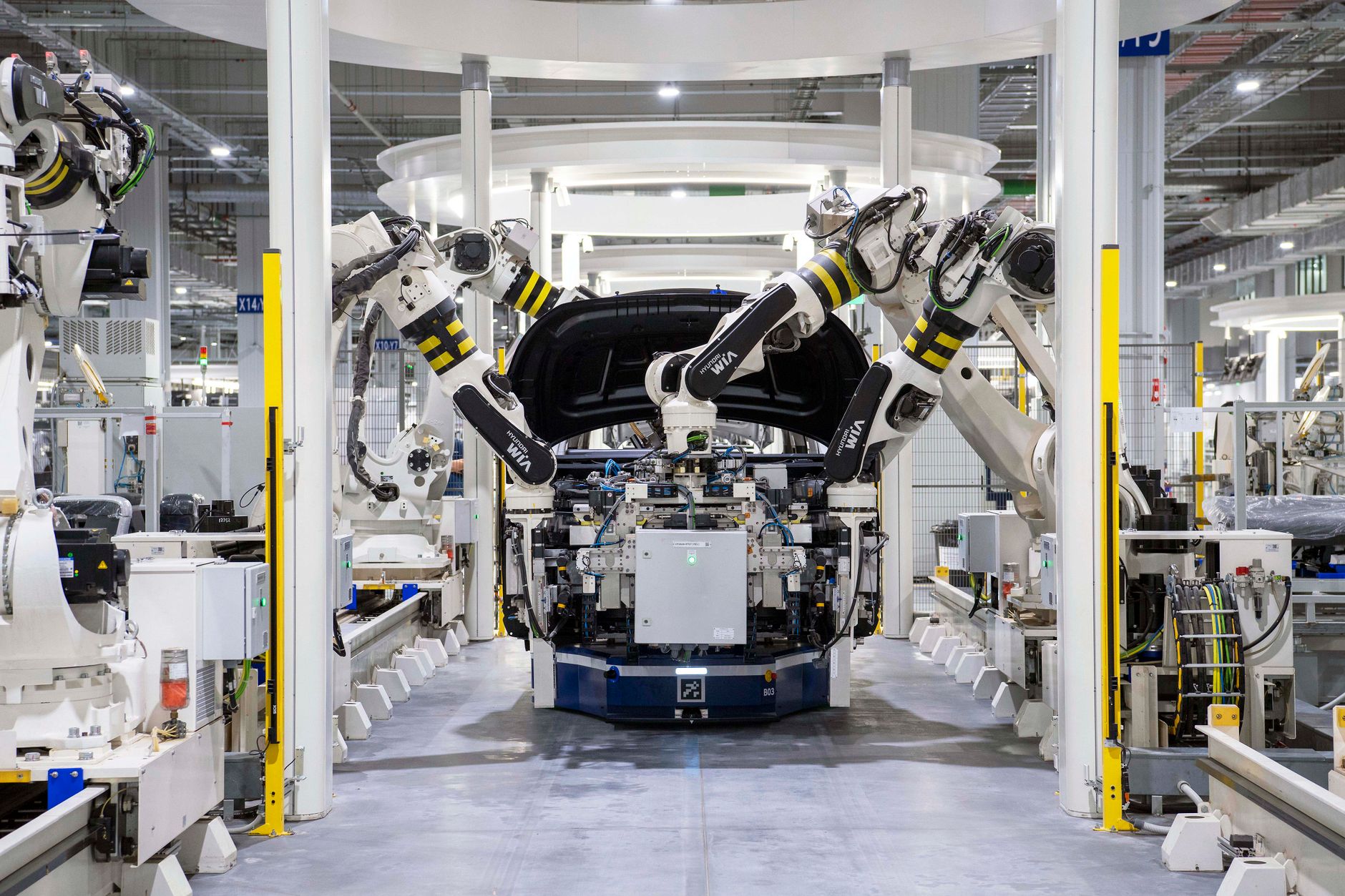
Forklift traffic on a safety-first floor
The plant built its reputation on workplace safety, yet forklifts still carried finished goods from assembly to the warehouse. That shared aisle mixed powered industrial trucks with foot traffic and repetitive manual handling.
Leadership wanted forklifts restricted to shipping and outbound transport while keeping assembly output moving. Manual cart moves and lift-assist work still burned labor and invited strain injuries from lifting, drops, and falls.
Federal injury data puts non-fatal forklift incidents above 7,000 per year nationwide, so any plan had to shrink exposure without throttling throughput.
- Move bins from assembly to warehouse without forklifts on the main throughway
- Meet weight limits for loaded bins and play nicely with pallet stands
- Hold to safety standards higher than legacy forklift practice on that path
Four AMRs with pallet-stand handshakes
An integration partner sized autonomous mobile robots for the bin weights and choreographed them with existing pallet stands and plant controls. The fleet was programmed to talk to stand sensors so loads transferred without ad hoc human intervention.
Unlike forklifts that can keep rolling into obstacles, the mobile units were specified to stop when anything blocks the path. That behavior mattered on a floor where operators still work close to traffic lanes.
Rollout kept forklifts in the shipping zone while AMRs owned assembly-to-warehouse repetitions. Training focused on exception handling and how maintenance would access the route during changeovers.
- Map the assembly-to-warehouse loop and mark forklift-only zones
- Commission four AMRs with stand integration and obstacle stopping
- Validate PLC and REST signaling before shifting volume off forklifts
- Monitor labor redeployment toward assembly quality and uptime tasks
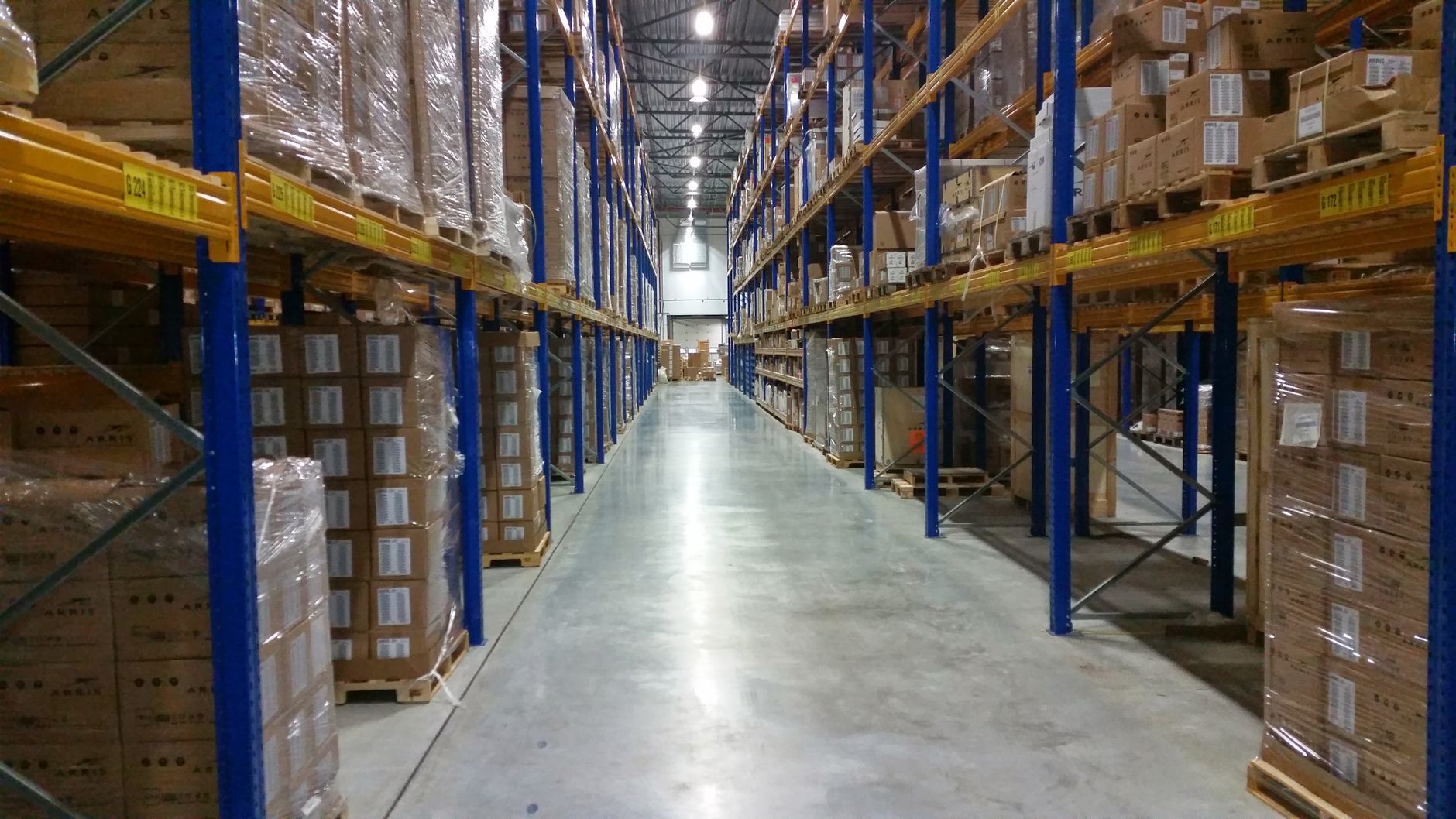
Safer aisle, six-figure labor relief
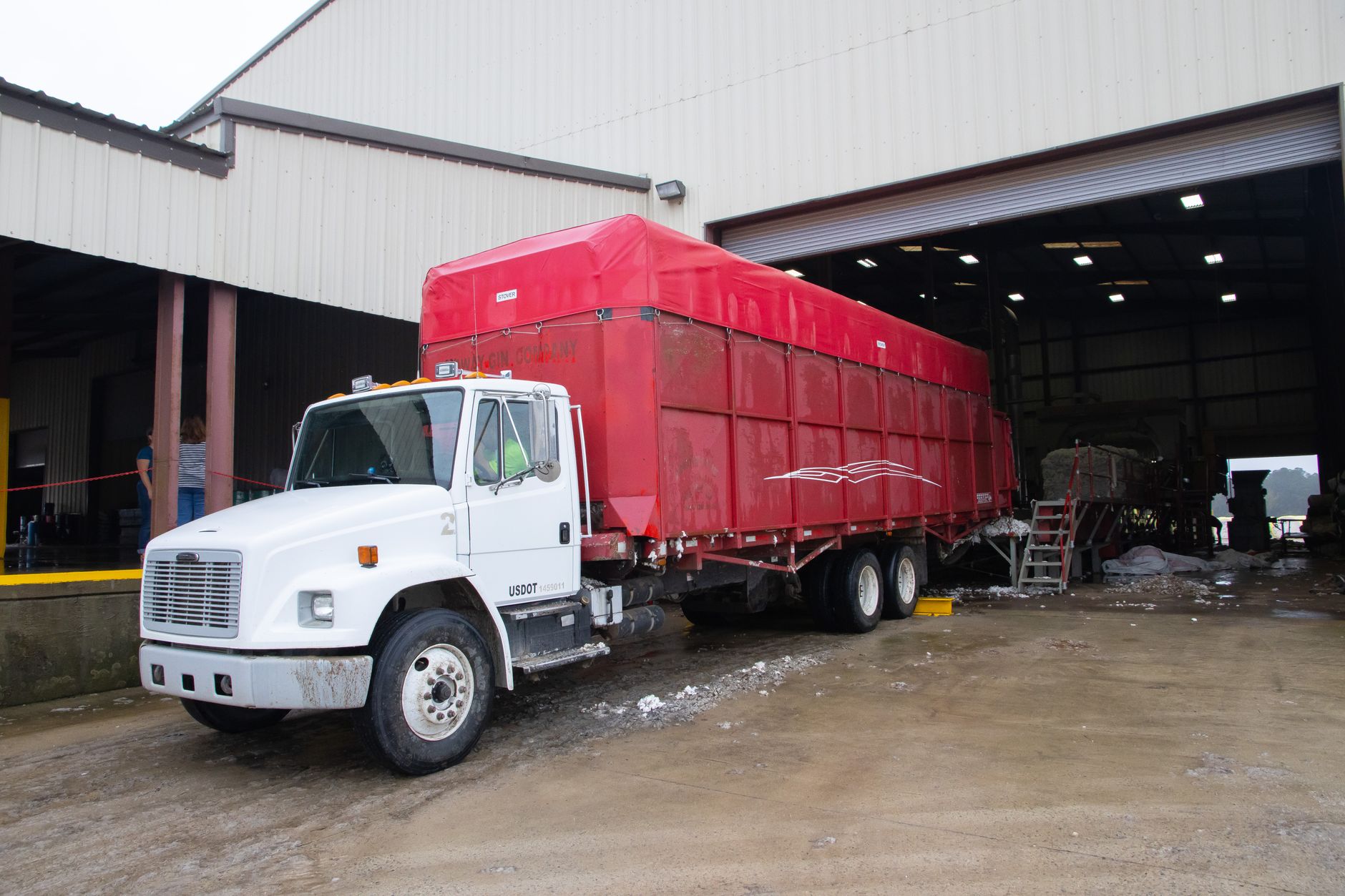
Forklifts no longer run the assembly-to-warehouse leg. Vehicle-related risk on that throughway fell to nearly zero while shipping still uses lifts where they belong.
Automating the move cut manual transport on the route and reduced non-forklift injuries tied to repetitive lifting. Staff time shifted toward work that needs human judgment instead of walking loaded bins.
The integrator estimated labor savings in the $300,000 to $400,000 per year range once sensors, AMR trips, and reduced manual handling were counted together. Four robots carried the loop with full integration into the existing system.
What this pattern means for US manufacturers
Auto parts plants rarely fail on welding or machining. They lose margin on internal miles: bins that wait for a driver, aisles that stay hot with forklift traffic, and safety programs that fight the layout every shift.
Service Robot Co. is an OEM-neutral integrator. We compare autonomous mobile robots across vendors, then handle financing, deployment, training, and nationwide service so one team owns the lifecycle.
A phased AMR rental or lease program can start on a single corridor like this one before you expand to pallet moves or cleaning robots elsewhere on the site. Month-to-month options and pilot layouts let you prove labor and safety gains without betting the whole plant on day one.