a Midwest automotive components plant with high-volume dock operations shipping finished goods to offsite warehouses
How an Auto Parts Plant Cut Trailer Loading From 30 Minutes to Five
A documented Midwest automotive components plant cut dock trailer loading and unloading from 30 minutes to about five using autonomous loading robots at production line ends.
- 30→5 min
- Per trailer
- 6x
- Faster moves
- 26
- Dock robots
- Week 1
- Payback start
Based on a documented real-world deployment. Figures are from public reporting; the organization is not named.
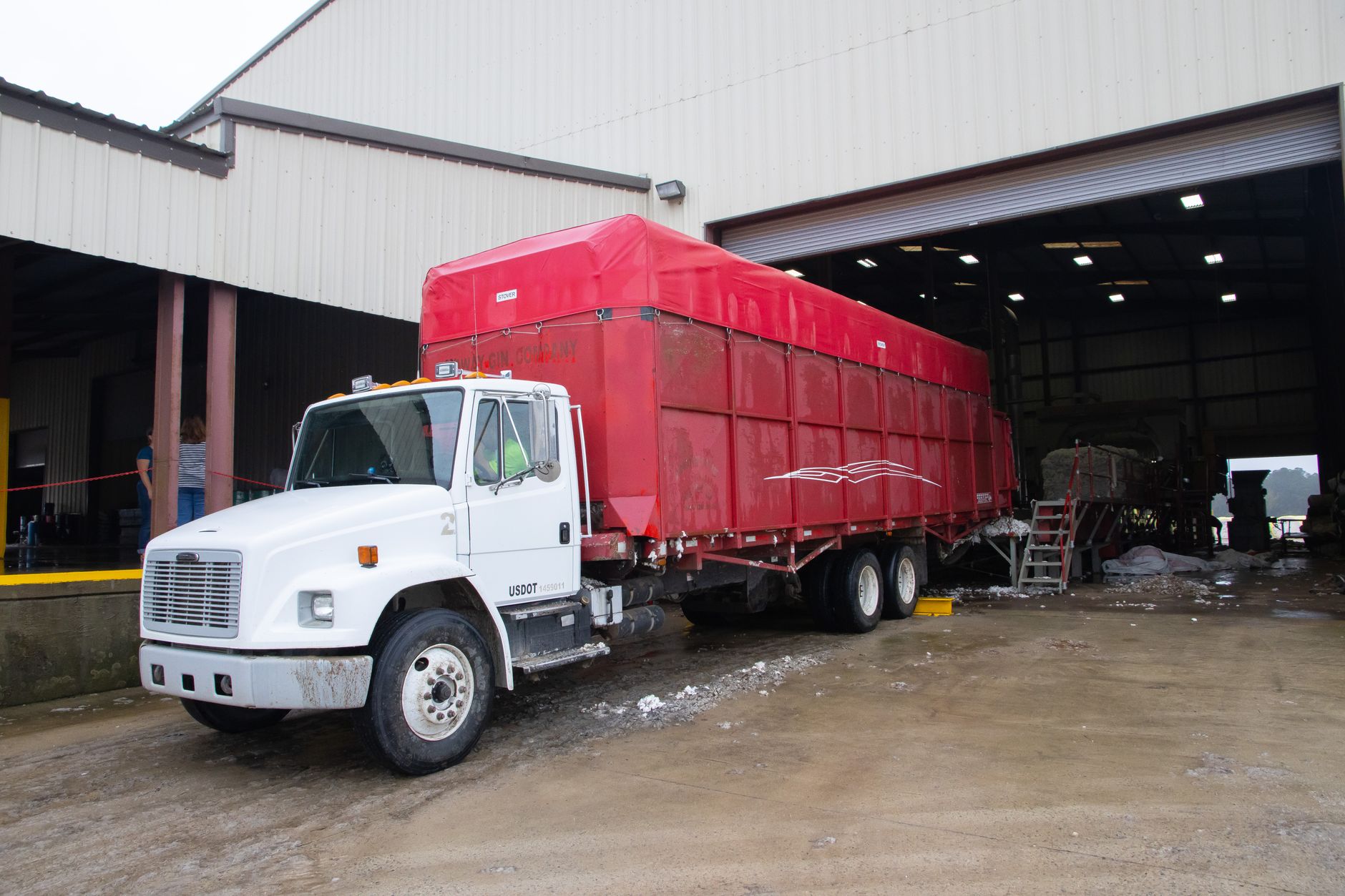
Forklift queues turned every trailer into a half-hour event
A Midwest automotive components plant with high-volume dock operations shipping finished goods to offsite warehouses ran production lines hard, then watched finished goods stack up at the docks. Forklift teams needed roughly 30 minutes to load or unload each trailer, and that rhythm capped how many moves the yard could clear in a shift.
Bottlenecks at the dock rippled backward. Trailers waited, staging lanes filled, and planners had little room to try new material flows without adding lift drivers or overtime.
- About 30 minutes per trailer load or unload with forklifts
- Limited trailer turns per shift at busy docks
- Finished goods staged at line ends waiting on lift capacity
- Pressure to feed offsite warehouses on tight schedules
Autonomous loaders tied directly to line ends
Leadership brought in autonomous loading robots through a robots-as-a-service model so capital did not sit ahead of proof. Units were placed at the end of production lines to take finished goods straight onto trailers without the old forklift shuttle pattern.
The vendor reported simple training and quick adoption, with teams using the loaders within about a week of deployment. A fleet of 26 units was rolled out across the plant's dock operations to cover high-volume lanes.
- Integrate loaders at production line outfeeds
- Deploy a multi-unit fleet across dock doors
- Train operators on handoff and safety checks
- Run on a subscription-style service model for fast scale

Trailer work dropped to about five minutes per move
Published results say loading and unloading times fell sixfold, from about 30 minutes with forklifts to about five minutes with the autonomous loaders. In plain terms, the plant could complete up to six trailer moves in the time one move used to take.
Supply chain leadership quoted in the release said the faster turns unlocked different material flows because staging was no longer chained to lift availability. The same announcement noted the plant began seeing returns within the first week of operation.
What US manufacturers can take from the dock pattern
This write-up covers a documented third-party deployment, not a Service Robot Co. customer. It still shows why vendor-neutral integrators matter for repetitive dock work: the gain came from matching robot placement to line ends and trailer geometry, not from buying lifts and hoping traffic sorts itself out.
Service Robot Co. selects autonomous mobile robots, loading automation, and warehouse systems across manufacturers, then bundles robot rental monthly programs, lease rental or sale paths, site mapping, training, and a nationwide network of regional service engineers. A free site assessment can map your dock doors and staging lanes before peak season or a new warehouse lane opens.