
an automotive components manufacturer with multiple production lines at a Midwestern U.S. campus
How an Auto Parts Plant Cut Trailer Turns from 30 Minutes to 5 with Loading Robots
An Indiana auto parts campus cut trailer load and unload time from 30 minutes to five with 26 dock robots. Sixfold throughput gains for manufacturers.
- 6x
- Faster dock moves
- 5 min
- Trailer turn
- 26
- Loading robots
- 8x
- Less fork traffic
Based on a documented real-world deployment. Figures are from public reporting; the organization is not named.
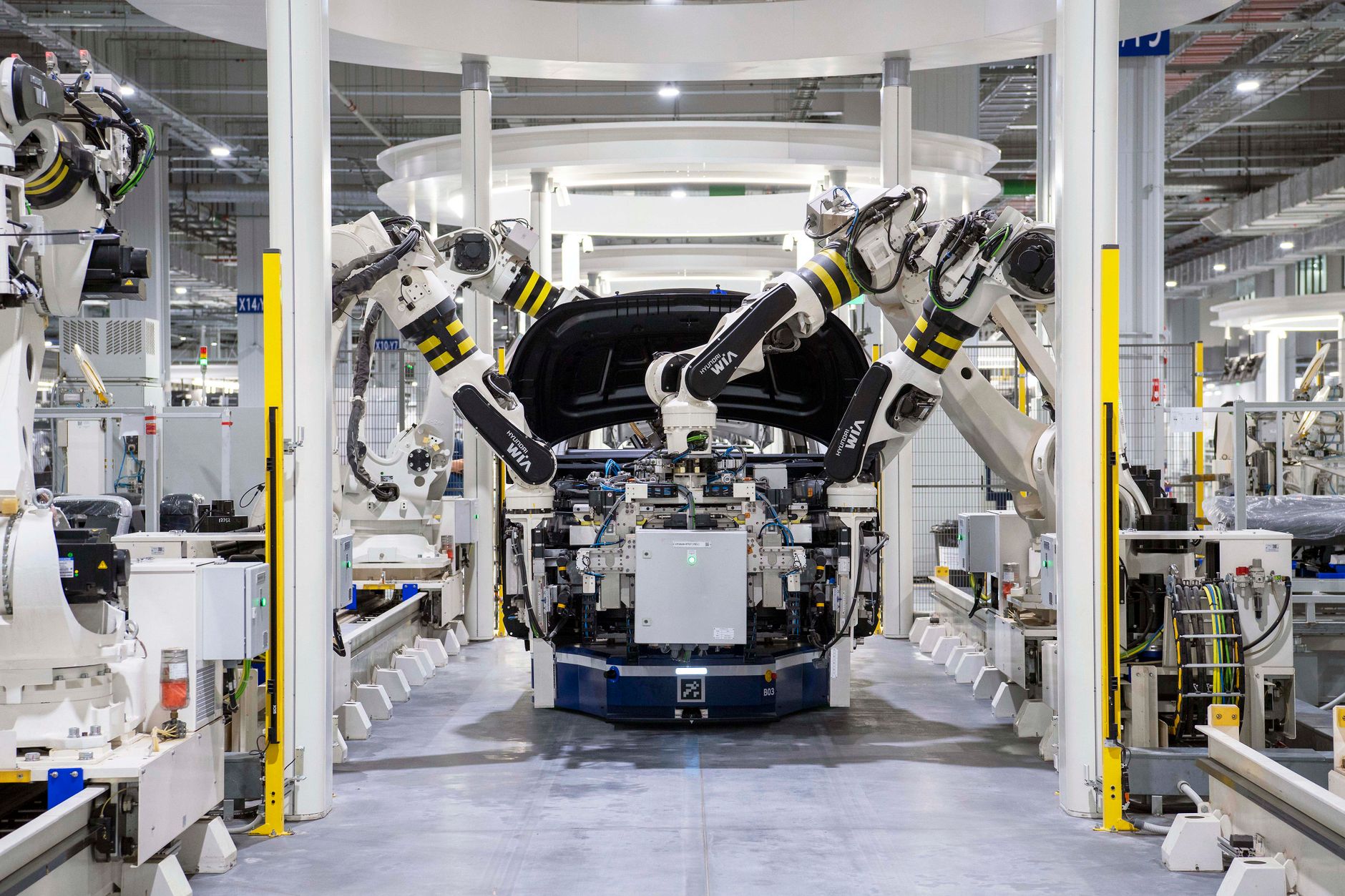
Dock delays on the production line
The manufacturer ships finished automotive components from a Midwestern campus to offsite warehouses.
Forklift loading and unloading took about thirty minutes per trailer, which slowed material flow at the end of each production line.
Leadership needed faster trailer turns without disrupting twenty-four-hour production or adding forklift traffic inside trailers.
Line-end autonomous loading robots
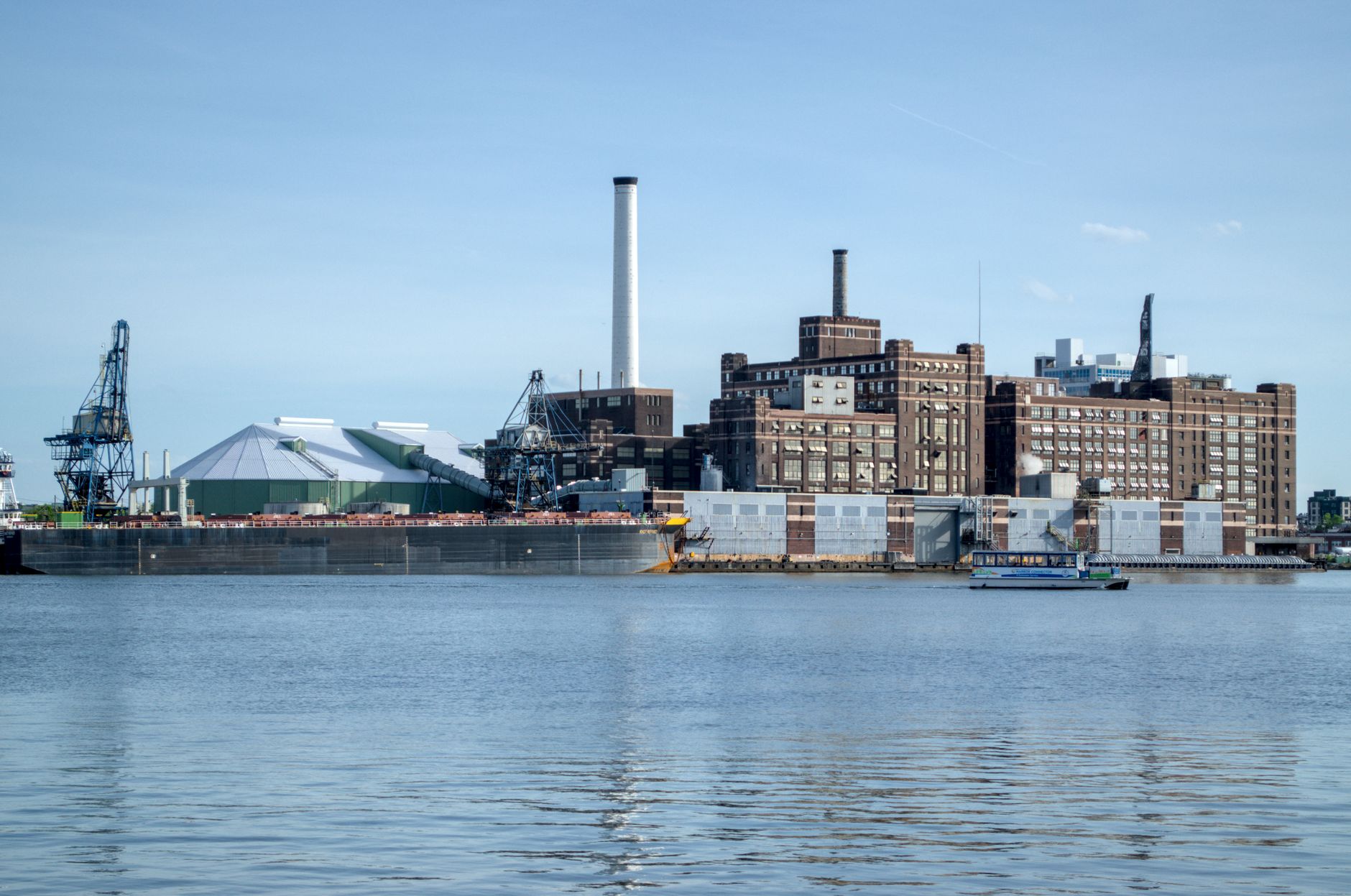
The site deployed twenty-six autonomous loading robots integrated at the end of production lines.
Associates load finished goods onto the robots, which then move loads directly into outbound trailers.
Returned units from the warehouse loop back to assembly, keeping a continuous flow between plant and storage.
- Place robots at the highest-volume line ends first
- Train associates on load sequencing onto the mobile platforms
- Run trailers on a five-minute turnaround target
- Expand robot count as additional lines qualify
Documented dock speed gains
Operations reported truck loading and unloading times six times faster than the prior forklift process.
Trailer work dropped from about thirty minutes to five minutes per move, allowing up to six trailer turns in the same window that once handled one.
Forklift traffic inside trailers fell eightfold, which reduced dock separation and collision risks cited in the public release.
What this means for your plant
Finished-goods bottlenecks often sit at the dock, not on the assembly line itself.
Service Robot Co. compares loading, AMR, and tug options across OEMs, then packages buy or lease financing with deployment and RoboCare service.
Start with a free site assessment on your busiest dock doors before scaling robots across the campus.