an automotive supplier plant in central Europe moving parts between warehouse and assembly lines
How an Auto Parts Plant Freed a Full-Time Role With Towing AMRs
See how three towing AMRs cut eleven kilometers of daily walking per unit and freed one full-time role at a central European auto parts plant, with lessons for US intralogistics.
- 1 FTE
- capacity returned to the plant
- 11 km
- daily travel per robot
- 3
- towing AMRs on the floor
- 300 kg
- max load per tow trip
Based on a documented real-world deployment. Figures are from public reporting; the organization is not named.
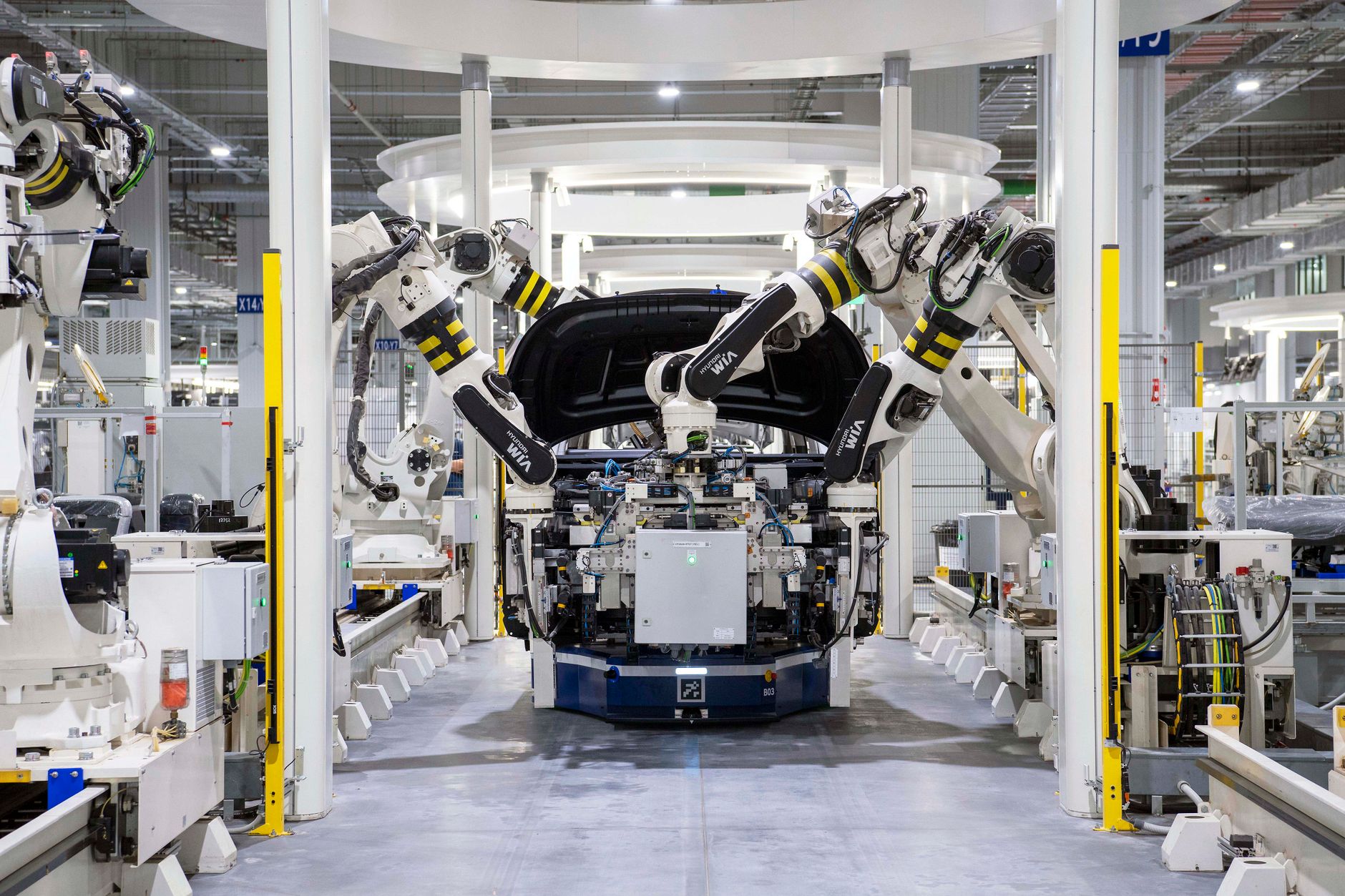
Walking stock to ten assembly lines
The plant builds precision pump components for automotive programs and runs lean inventory on the shop floor. Internal logistics had relied on a dedicated material handler shuttling between a warehouse supermarket and multiple assembly stations.
That pattern kept too much stock at the lines. Extra bins consumed aisle space, tied up cash in parts on the floor, and pulled skilled people into repetitive cart work instead of value-added tasks.
Leadership wanted driverless towing without ripping out floors for fixed guides. The site also needed robots that could share aisles with staff and cross existing access points during normal production.
- Supermarket replenishment tied to manual cart runs
- Overstock at assembly stations under lean targets
- Need for flexible routes without infrastructure retrofits
Phased towing AMRs with QR-identified carts
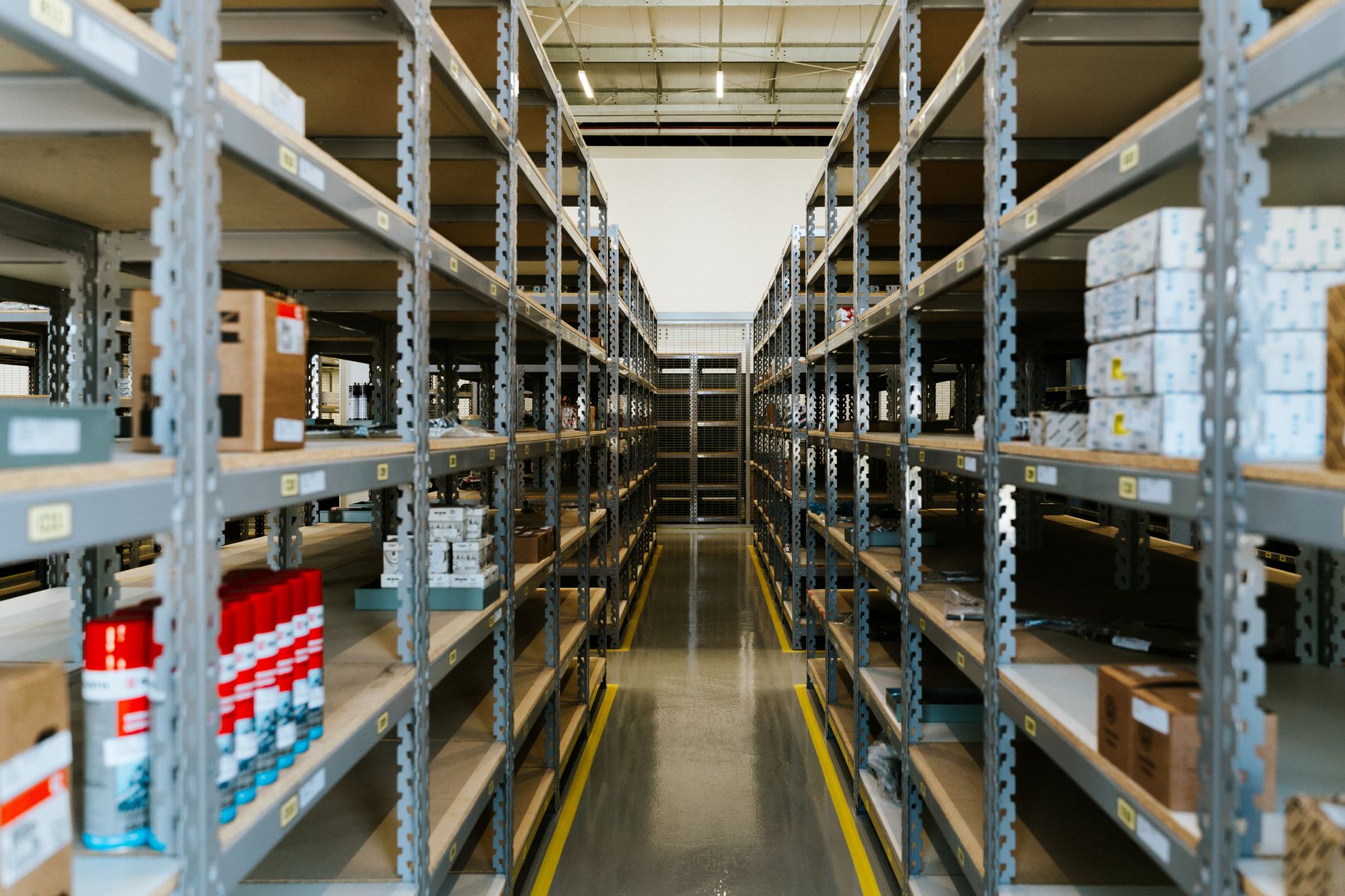
After a short pilot, the site deployed three compact towing autonomous mobile robots equipped with hitch mechanisms for shelf carts. Each unit mapped the facility with onboard laser sensing, then ran missions between the parts supermarket and two production zones.
In one zone a single robot feeds a largely automated line. In the other, two robots split work across ten assembly stations. Operators summon a robot, it couples to a cart identified by a QR tag, delivers full totes of lids, bearings, and shafts, swaps in an empty cart, and returns empties to storage.
Fleet software schedules loops five days a week. Audible alerts help teams notice approaching robots near machine noise. A gate with a floor loop opens for crossings so carts do not stall at choke points.
Training stayed lightweight: staff use a browser-based order screen on tablets or PCs to request pulls, which helped early skepticism fade once people saw robots handling only the dull miles.
- Facility mapping before first production missions
- QR-coded carts for load identification
- Supermarket wait positions and line-side drop points
- Tablet and web ordering for assembly teams
Measured miles off people's feet
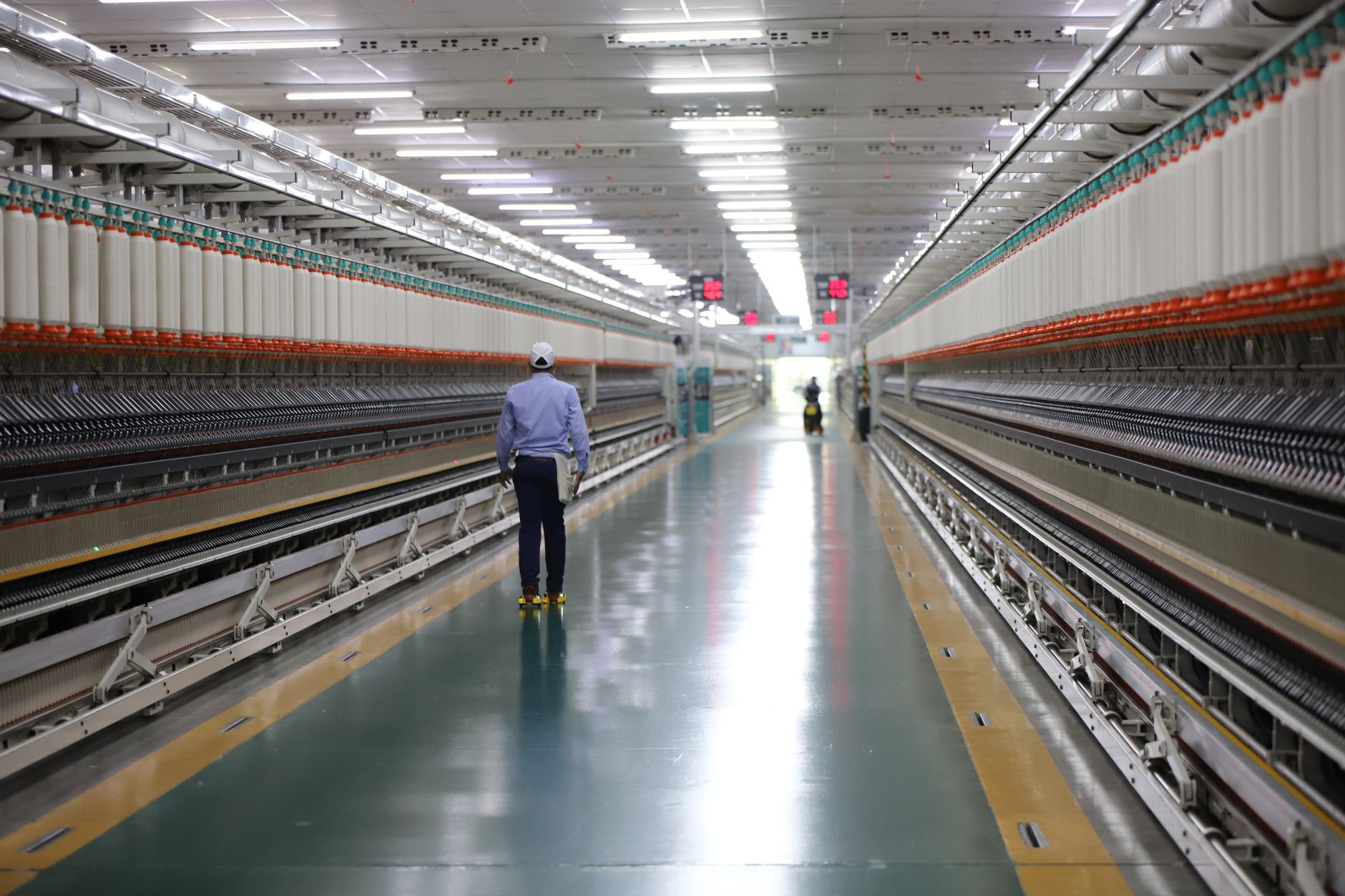
Each towing AMR averages about eleven kilometers of travel per day that employees no longer walk. Multiplied across three units on a five-day schedule, the fleet removes a large share of non-value travel from the building.
Material now arrives in smaller, timed quantities, so lines carry less WIP and reclaim floor space. The prior dedicated logistics role is effectively covered by the robots, freeing capacity equal to one full-time employee for other work.
Plant leaders report that headcount pressure eases on repetitive transport and that pooled time supports engineering priorities, including work on electrified pump programs. Additional towing units are already in planning to extend the same model.
What US operators can borrow from this pattern
This deployment is a documented example, not a Service Robot Co. customer story. It still shows what a vendor-neutral integrator can replicate for US automotive and industrial sites facing similar cart miles.
Service Robot Co. selects towing AMRs across manufacturers, then handles financing, site mapping, safety review, training, and nationwide service through one contract. Month-to-month style commercial robot rental and lease paths can defer capital while you prove eleven-kilometer-class savings on your own aisles.
If your plant still walks parts from a supermarket to many stations, a three-robot pilot with clear QR handoffs and line-side swap logic is a practical first phase before you scale fleet software across shifts.